
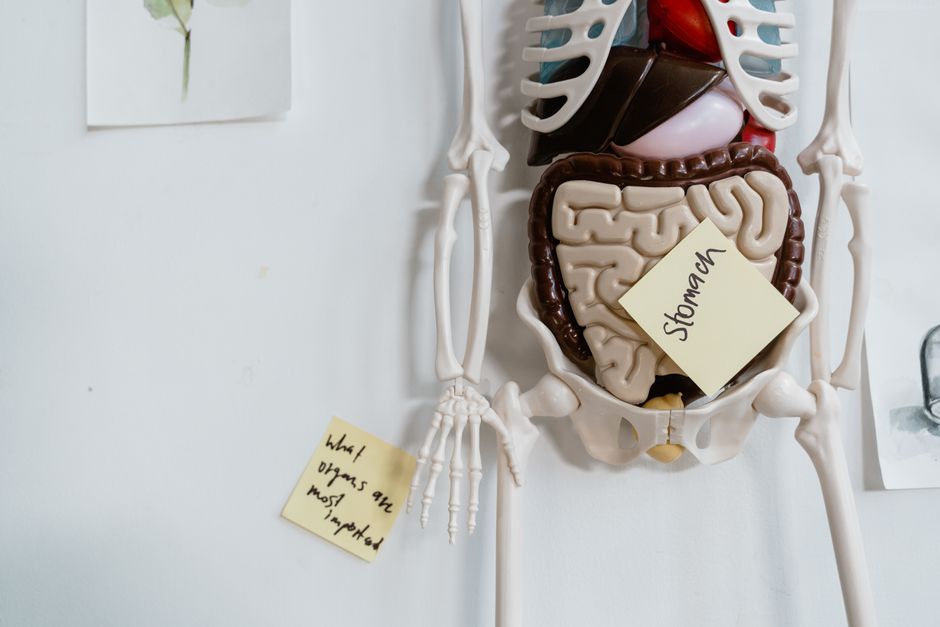
Human stomach acid is remarkably strong. It is a solution of hydrochloric acid produced by cells in your stomach lining, and it typically has a pH between 1.5 and 3.5. That is acidic enough to break down tough proteins in food and to kill most of the bacteria and viruses you swallow, serving as a powerful first line of defense for your immune system.
What Exactly Is Stomach Acid Made Of?
Stomach acid is primarily hydrochloric acid, but it is not pure acid. It is a mixture of hydrochloric acid, potassium chloride, and sodium chloride, all dissolved in water. This mixture is produced by parietal cells located in the glands of the stomach lining.
The acid is not produced constantly at full strength. Your stomach adjusts production based on what you eat, when you eat, and even what you smell or anticipate eating. When food enters the stomach, the acid production ramps up to help break down the meal.
The stomach itself is protected from this harsh environment by a thick mucus layer that lines its walls. This mucus barrier, along with bicarbonate ions that neutralize acid at the surface, prevents the stomach from digesting itself. When this barrier fails, you get an ulcer.
How Strong Is Human Stomach Acid Compared to Other Acids?
To understand the strength, it helps to compare pH values. The pH scale runs from 0 to 14, with 0 being the most acidic. Pure water sits at a neutral pH of 7. Human blood is slightly alkaline at about 7.4.
Stomach acid at a pH of 1.5 to 3.5 is far more acidic than lemon juice, which sits around pH 2, and vinegar, which is around pH 2.5. It is comparable to battery acid only in the sense that both are highly acidic, but battery acid is typically much stronger, with a pH near 0.
What makes stomach acid so effective is not just its low pH but its ability to activate digestive enzymes. The acid denatures proteins, meaning it unfolds their complex structures, which makes them easier for enzymes to break down. Without this acidic environment, the main digestive enzyme in the stomach, pepsin, cannot function at all.
What Does Stomach Acid Actually Do in the Body?
Stomach acid serves several distinct functions, and each one matters for your health.
- Protein digestion: The acid denatures proteins, unfolding them so digestive enzymes can access and break them down into smaller peptides and amino acids.
- Microbial defense: The highly acidic environment kills most ingested bacteria, viruses, and parasites. This is a major reason food poisoning is not far more common than it is.
- Nutrient absorption: Acid is required for the absorption of certain nutrients, particularly vitamin B12, iron, calcium, and folate. Without adequate acid, these nutrients are poorly absorbed even if they are present in your food.
- Enzyme activation: The acidic environment converts the inactive enzyme pepsinogen into active pepsin, which is the primary enzyme for protein breakdown in the stomach.
When stomach acid production is impaired, these functions are compromised. People with low stomach acid, a condition called hypochlorhydria, may experience bloating, nutrient deficiencies, and an increased risk of gastrointestinal infections.




Why Doesn’t Stomach Acid Burn Through the Stomach?
This is one of the most common questions people ask, and the answer lies in the stomach’s protective mechanisms.
The stomach lining produces a thick, gel-like mucus layer that coats the entire inner surface. This mucus is rich in bicarbonate, a base that neutralizes acid on contact. The result is a pH gradient: the acid near the food remains highly acidic, but the acid at the surface of the stomach lining is almost neutral.
This protective layer is constantly being produced and replaced. If the mucus layer is damaged, or if acid production overwhelms the buffer, the acid can reach the stomach wall and cause inflammation or an ulcer. This is how nonsteroidal anti-inflammatory drugs like ibuprofen cause stomach ulcers — they reduce the production of protective mucus and prostaglandins.
Helicobacter pylori bacteria can also damage this protective layer. This bacterium has adapted to survive in the acidic stomach by burrowing into the mucus layer and neutralizing acid around itself. Over time, it weakens the mucus barrier and can cause ulcers or increase the risk of stomach cancer.
What Happens When Stomach Acid Is Too High or Too Low?
Both extremes cause problems, but they look very different.
Too much acid can cause heartburn, acid reflux, and damage to the esophagus. The esophagus does not have the same mucus protection as the stomach, so acid that splashes upward burns the esophageal lining. Chronic reflux can lead to a condition called Barrett’s esophagus, which increases the risk of esophageal cancer.
Too little acid is less commonly recognized but equally problematic. Low stomach acid can lead to poor digestion, bloating, and a feeling of fullness after small meals. It also increases the risk of bacterial overgrowth in the small intestine, because fewer bacteria are killed in the stomach before they move downstream.
Age is a factor in acid production. Many older adults produce less stomach acid than younger people, which can contribute to nutrient deficiencies, particularly vitamin B12 and iron. Some research suggests that up to 30 percent of people over age 60 have low stomach acid, though the exact prevalence is debated.
Can Common Foods Neutralize Stomach Acid?
Yes, but the effect is temporary. Foods and drinks that are alkaline, such as milk, can neutralize stomach acid briefly. However, the stomach responds to the presence of food by producing more acid, so the neutralization is short-lived.
This is why drinking milk for heartburn provides only temporary relief. The protein and calcium in milk actually stimulate acid production after the initial buffering effect wears off. For the same reason, eating a large meal can worsen reflux symptoms even though the food temporarily dilutes the acid.
Antacids work differently. They contain compounds like calcium carbonate or magnesium hydroxide that directly neutralize acid and raise the pH of the stomach contents. These provide faster relief than food, but they do not stop the stomach from producing acid in the first place.
Proton pump inhibitors, such as omeprazole, take a different approach. They block the enzyme in the stomach lining that produces acid, reducing acid output by up to 90 percent. These medications are effective for treating reflux and ulcers, but they are not intended for casual use. Long-term use is associated with an increased risk of bone fractures, vitamin B12 deficiency, and certain infections.
How Does the Body Regulate Stomach Acid Production?
Acid production is controlled by a complex system of hormones and nerve signals. The body does not just produce acid constantly — it adjusts based on what is happening.
When you see, smell, or think about food, the brain sends signals through the vagus nerve to the stomach, triggering acid production. This is called the cephalic phase. When food enters the stomach, the stretching of the stomach wall and the presence of proteins stimulate the release of the hormone gastrin, which signals the acid-producing cells to work harder.
When food leaves the stomach and enters the small intestine, the body releases hormones that slow down acid production. This prevents the small intestine from being exposed to excessively acidic contents.
This regulation is remarkably precise in healthy people. The pH of the stomach contents is tightly controlled, and the system can respond within minutes to changes in what is eaten. Disruptions in this system, whether from medications, surgery, or disease, can have wide-ranging effects on digestion and overall health.
Frequently Asked Questions
Can drinking water dilute stomach acid?
Drinking water temporarily dilutes stomach acid, but the stomach quickly produces more acid to maintain the proper pH for digestion. The effect is brief and does not meaningfully impair digestion.
Is stomach acid strong enough to dissolve metal?
No. Stomach acid can dissolve some materials, but it cannot dissolve metals like iron or steel. Ingested metal objects typically pass through the digestive tract without being broken down by acid.
Why does stomach acid cause heartburn?
Heartburn occurs when stomach acid flows backward into the esophagus, which lacks the protective mucus layer of the stomach. The acid irritates the esophageal lining, causing the burning sensation.
Does stress increase stomach acid production?
Stress can influence acid production, but the relationship is complex. Acute stress may increase acid secretion through nerve signals, while chronic stress is more commonly associated with worsened reflux symptoms, though the exact mechanisms are still being studied.
