
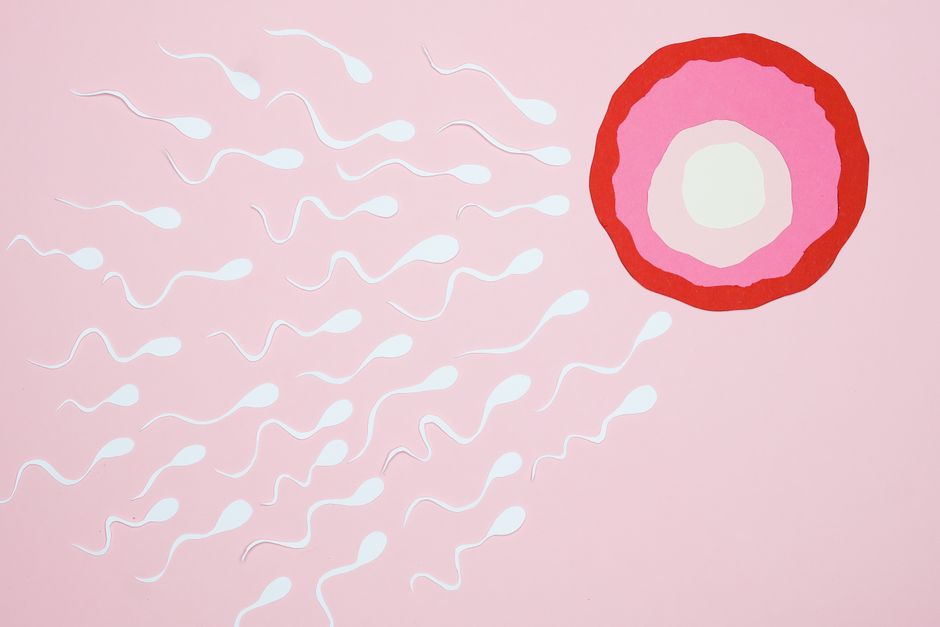
Sperm production is one of the fastest cell-making operations in the human body. A single healthy testicle can produce tens of millions of sperm every day, and each one starts as a simple stem cell. That cell divides, matures, and transforms into a swimming cell with a tail — a process that takes roughly 60 to 90 days from start to finish. Understanding how sperm is produced from stem cell to maturity explains a lot about male fertility, hormone health, and why certain medical treatments affect sperm counts for months.
Where Does Sperm Production Happen?
Sperm production happens in the testicles, inside tightly coiled tubes called seminiferous tubules. If you uncoiled the tubules from one testicle, they would stretch about the length of several football fields. That enormous surface area is where the work gets done.
Two main cell types do the heavy lifting. Germ cells become sperm. Sertoli cells act as support cells — they nourish developing sperm, keep them organized, and help control the timing of each stage. Between the tubules sit Leydig cells, which produce testosterone when signaled by luteinizing hormone (LH) from the pituitary gland.
The whole system runs on a hormone chain. The brain’s hypothalamus releases GnRH, which tells the pituitary to release LH and follicle-stimulating hormone (FSH). LH drives testosterone production. FSH tells Sertoli cells to support sperm development. When testosterone gets high enough, the brain dials back its signals — a feedback loop that keeps things balanced.
One detail that surprises many people: sperm mature at a temperature slightly cooler than core body temperature. That is why the testicles sit outside the body in the scrotum. The scrotum adjusts its position to keep the testes a bit cooler than the rest of the body. This is also why prolonged heat exposure — hot tubs, saunas, tight clothing — can temporarily affect sperm production, though the evidence on how much everyday heat matters is mixed.
How Sperm Is Produced From Stem Cell To Maturity?
The full journey has three phases: making new cells, maturing them, and finishing them in the epididymis. Each phase looks different under a microscope.
Phase 1: Stem Cells Multiply
At the outer edge of each seminiferous tubule sit spermatogonia — the stem cells of sperm production. These cells divide by mitosis, producing copies of themselves. Some stay as stem cells to keep the supply going. Others move inward and begin the path toward becoming sperm.
This phase is continuous. It starts around puberty and, in most men, continues for life. The stem cell pool is what allows sperm production to recover after illness, heat exposure, or certain medications — as long as the stem cells themselves are not permanently damaged.
Phase 2: Meiosis and Cell Transformation
Once a spermatogonium commits to becoming sperm, it goes through a special type of cell division called meiosis. Normal cells have 46 chromosomes. Sperm and eggs have 23. Meiosis is the process that cuts the chromosome number in half, so when sperm meets egg, the resulting embryo has the correct total.
During meiosis, genetic material gets shuffled. This is why siblings — even identical twins’ children — are genetically distinct. The shuffling creates variation in every sperm cell.
After meiosis, the cells are called spermatids. They still look nothing like sperm. No tail. No streamlined shape. What follows is called spermiogenesis — a dramatic physical overhaul. The cell develops a tail (flagellum) for swimming, a compact head containing tightly packed DNA, and a cap called the acrosome that holds enzymes needed to penetrate an egg.
At this stage, the cell sheds most of its cytoplasm. Sertoli cells absorb the leftover material. The result is one of the most specialized cells in the human body — stripped down to essentially a DNA delivery vehicle with a motor.
Phase 3: Final Maturation in the Epididymis
Sperm leave the testicle immature. They can barely swim and cannot fertilize an egg yet. They travel into a long, coiled tube called the epididymis, where they spend roughly two to three weeks maturing.
In the epididymis, sperm gain progressive motility — the ability to swim forward in a straight line rather than just twitching. They also undergo changes to their membrane and surface proteins that prepare them for fertilization. The epididymis also stores sperm until ejaculation.
Even after ejaculation, sperm are not fully ready. Inside the female reproductive tract, they undergo a final change called capacitation. This takes hours and makes the sperm capable of penetrating the egg’s outer layer. Without capacitation, fertilization does not happen.
How Long Does Sperm Production Take?
The full cycle from stem cell to ejaculated sperm takes about 60 to 90 days, though estimates vary slightly. That timeline matters for several reasons.
If a man starts a medication that suppresses sperm production — testosterone therapy, for example — sperm counts do not drop immediately. They fall over weeks to months as existing mature sperm are used up and new production slows. The same is true in reverse. When a medication is stopped or a fever resolves, recovery takes time.
This is why doctors often recommend waiting about three months after a major change before rechecking a semen analysis. It is also why lifestyle changes — quitting smoking, improving diet, reducing heat exposure — do not show up on a sperm test for at least two to three months.
Some research suggests that sperm DNA quality can be affected by factors in the weeks before ejaculation, not just the full production cycle. The exact timing and clinical significance of this are still being studied.





What Can Disrupt Sperm Production?
Because sperm production is a long, complex process, it is vulnerable to disruption at many points.
Hormonal Problems
Anything that interferes with the brain-testis hormone chain can reduce sperm production. This includes pituitary disorders, anabolic steroid use, and some medications. Testosterone therapy is a well-documented example — it raises blood testosterone but suppresses LH and FSH, which shuts down sperm production. This is a common and often misunderstood effect.
Heat and Physical Factors
Prolonged heat exposure can temporarily reduce sperm production. Hot tubs, saunas, and occupational heat are often cited. The evidence for everyday heat sources like laptops or tight underwear is weaker and less consistent. Varicocele — enlarged veins in the scrotum — is a well-established cause of impaired sperm production in some men, though not all varicoceles affect fertility.
Medical Treatments and Illness
Chemotherapy and radiation can damage or destroy spermatogonia, sometimes permanently. Whether sperm production recovers depends on the type, dose, and age of the patient. Some illnesses — especially those causing high fever — can temporarily suppress sperm production for weeks to months.
Lifestyle and Environmental Exposures
Smoking, heavy alcohol use, and obesity are consistently linked to lower sperm quality in research. The effects are usually modest at the individual level but meaningful across populations. Evidence on environmental chemicals, diet, and stress is more mixed and harder to interpret.
What Does a Normal Sperm Analysis Look Like?
The World Health Organization publishes reference ranges for semen analysis. These are not strict cutoffs for fertility — many men outside the reference range father children, and many within it do not. They are reference values based on men who recently fathered children.
| Parameter | WHO Reference Value |
|---|---|
| Semen volume | 1.4 mL or more |
| Total sperm count | 39 million or more per ejaculate |
| Sperm concentration | 16 million or more per mL |
| Total motility | 42% or more |
| Progressive motility | 30% or more |
| Normal morphology | 4% or more |
These values come from the WHO laboratory manual for the examination and processing of human semen. A single abnormal result does not confirm a problem. Because sperm production takes about three months, most clinicians recommend at least two analyses spaced several weeks apart before drawing conclusions.
Morphology — the percentage of sperm with normal shape — is one of the more debated parameters. Strict scoring methods mean most sperm in a normal sample look abnormal. The 4% threshold reflects this strictness, not a sign that most sperm are defective.
Can Sperm Production Be Improved?
For men with identifiable causes — hormonal disorders, varicocele, medication effects — treating the underlying issue can improve sperm production. For others, the picture is less clear.
Lifestyle changes that support general health also tend to support sperm health. Not smoking, limiting alcohol, maintaining a healthy weight, and avoiding prolonged heat exposure are reasonable steps. Whether specific supplements improve sperm counts or fertility outcomes is less certain. Some studies suggest antioxidants may help in certain groups, but results are inconsistent and no supplement is established as a reliable fertility treatment.
Anyone concerned about sperm production or fertility should see a doctor rather than rely on supplements or internet advice. A basic evaluation — hormone levels, semen analysis, physical exam — can identify treatable causes.
Frequently Asked Questions
How long does it take for sperm to fully mature?
The complete process from stem cell to mature sperm takes about 60 to 90 days. After that, sperm continue maturing in the epididymis for roughly two to three weeks before ejaculation.
Can sperm production stop and restart?
Yes, in many cases. Sperm production can be temporarily suppressed by illness, heat, medications, or hormone therapy, and often recovers over weeks to months once the cause is removed. Permanent loss can occur after certain chemotherapy or radiation treatments.
Does testosterone therapy affect sperm production?
Yes. Testosterone therapy commonly suppresses LH and FSH, the hormones that signal the testicles to make sperm, which can significantly reduce sperm production. This effect is well documented and is why testosterone is not used as a fertility treatment.
How often should a semen analysis be repeated?
Because sperm production takes about three months, most clinicians recommend waiting at least several weeks between analyses, and often about three months after a major change. A single abnormal result is not enough to confirm a fertility problem.
