
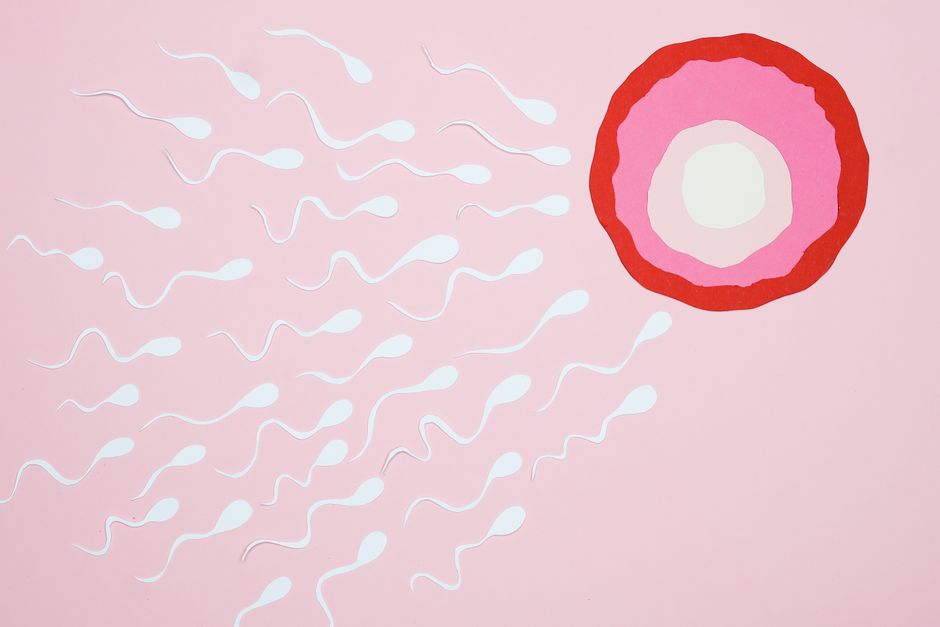
The journey from ejaculation to fertilization is one of the most difficult and selective processes in human biology. Of the millions of sperm cells that enter the vagina, only a tiny fraction ever reach the fallopian tube where an egg might be waiting. The cervix acts as the primary gatekeeper, and most sperm never get past it. Understanding how sperm gets through the cervix and why most fail comes down to anatomy, timing, and the chemical environment of the female reproductive tract.
What Is the Cervix and Why Does It Block Sperm?
The cervix is the lower, narrow end of the uterus. It connects the uterine cavity to the vagina. In the center of the cervix is a small passage called the cervical canal. This canal is not simply an open tube. It is filled with mucus, and that mucus changes dramatically throughout the menstrual cycle.
For most of the month, cervical mucus is thick, acidic, and hostile to sperm. This is by design. The cervix acts as a barrier to protect the upper reproductive tract from bacteria and other foreign particles. Sperm are essentially foreign cells, so the body treats them with suspicion.
During most days of the cycle, the mucus forms a dense mesh of proteins that physically traps sperm. The environment is also acidic, which damages sperm membranes quickly. Most sperm that enter the vagina never even reach the cervical canal because they are immobilized or destroyed in this hostile mucus.
How Sperm Gets Through the Cervix: The Window of Fertility
For a short window around ovulation, the cervix changes its behavior. Rising estrogen levels from the developing egg follicle trigger changes in the cervical glands. These glands begin producing a different type of mucus — thinner, clearer, and more elastic.
This fertile mucus has been compared to raw egg white. It is less acidic and its protein structure changes. The mesh becomes more aligned, creating channels or pathways that sperm can swim through. This fertile mucus also filters out abnormal sperm and supports the survival of healthy ones.
Sperm that make it into this fertile mucus can survive inside the cervical canal for several days. The mucus acts as a reservoir, slowly releasing sperm upward into the uterus over time. This is why sperm can fertilize an egg even if intercourse happens a few days before ovulation.
The key point is that the cervix is not always open. It is only permissive to sperm during this narrow fertile window, usually a few days each cycle. Outside this window, the passage is largely closed to sperm.
Why Most Sperm Fail: The Numbers Game
The scale of sperm loss is staggering. A typical ejaculate contains tens of millions of sperm. Most studies and clinical references describe the journey as one where fewer than one in a million sperm reach the fallopian tube. The vast majority are lost before they even get close to the egg.
Several factors contribute to this massive loss. The vagina itself is acidic, and many sperm die there within hours. The cervix filters out a large portion of the rest. Only sperm with normal shape, strong motility, and intact DNA are likely to pass through the cervical mucus.
Even among sperm that enter the cervical canal, many get trapped in mucus pockets or swim in the wrong direction. The uterus is a large space relative to the size of a sperm cell. Without a clear chemical signal to guide them, many sperm simply get lost.
Finally, of the few thousand sperm that reach the fallopian tube, only a handful arrive at the right tube at the right time. And only one sperm will ultimately fertilize the egg. The rest are wasted. This is normal biology, not a sign of a problem.





What Happens to Sperm That Get Through the Cervix?
Sperm that successfully navigate the cervical canal enter the uterus. The uterine environment is more welcoming than the vagina, but it is not without challenges. The immune system of the uterus actively attacks sperm cells. White blood cells called macrophages and leukocytes engulf and destroy a significant number of sperm here.
Surviving sperm then move toward the fallopian tubes. The journey is aided by muscle contractions in the uterus and by the movement of tiny hair-like structures called cilia that line the fallopian tubes. These contractions are not random — they appear to be influenced by the hormonal environment around ovulation.
In the fallopian tube, sperm undergo a process called capacitation. This is a series of biochemical changes that make sperm capable of fertilizing an egg. It takes several hours. Sperm that reach the egg too quickly cannot fertilize it because capacitation is incomplete.
Only a few hundred sperm typically reach the site of fertilization. The egg itself is surrounded by layers of cells and a protective shell called the zona pellucida. Sperm must bind to this shell and release enzymes to break through it. This is the final filter, and it is extremely selective.
Does Cervical Mucus Quality Affect Fertility?
Yes. The quality and quantity of cervical mucus play a direct role in whether sperm can pass through the cervix. Some women produce fertile-quality mucus consistently. Others produce poor-quality mucus even around ovulation. This condition is sometimes called hostile cervical mucus.
Certain medications can interfere with cervical mucus production. Some fertility drugs, antihistamines, and other medications that dry up secretions can reduce mucus quality. Age and hormonal imbalances can also affect mucus production.
However, hostile cervical mucus as a primary cause of infertility is less common than many people believe. Modern fertility treatments can bypass the cervix entirely. Intrauterine insemination (IUI) places sperm directly into the uterus, bypassing the cervical canal. In vitro fertilization (IVF) bypasses the entire reproductive tract.
The evidence that cervical mucus alone is a major cause of infertility is limited. Most fertility specialists consider it one factor among many, and it is rarely the sole explanation for difficulty conceiving.
Can Sperm Get Through the Cervix at Any Other Time?
Outside the fertile window, the cervical mucus is thick and impenetrable. Sperm that enter the vagina during this time typically die within a few hours. The cervix is functionally closed to sperm for most of the cycle.
There is one exception worth understanding. Around the time of menstruation, the cervix opens slightly to allow menstrual blood to flow out. During this time, sperm might physically pass through the canal. However, the uterine environment during menstruation is not suitable for sperm survival, and there is no egg available. This does not lead to pregnancy.
Some women notice changes in cervical position and firmness throughout their cycle. The cervix sits lower and feels firmer outside the fertile window. Around ovulation, it rises higher, softens, and the opening becomes slightly more relaxed. These changes are real but subtle, and they are not a reliable method of contraception or conception planning on their own.
When Sperm Cannot Pass: Structural Issues
In some cases, the cervix itself presents a physical barrier to sperm. Cervical stenosis is a condition where the cervical canal is abnormally narrow or completely closed. This can be caused by surgery, radiation treatment, or congenital differences. Sperm cannot pass through a closed cervix.
Prior cervical procedures, such as cone biopsies or LEEP procedures for abnormal Pap smears, can alter the cervix. These procedures remove a small portion of cervical tissue. In most cases, they do not affect fertility. In rare cases, they can reduce mucus production or cause scarring that narrows the canal.
These structural issues are uncommon. When they do occur, they are typically identified during fertility testing. A hysterosalpingogram or a post-coital test can assess whether sperm are reaching the uterus. Treatment options range from cervical dilation to IVF, depending on the cause and severity.
Does Sperm Count or Quality Matter Here?
Yes, and this is where male factors enter the picture. The cervix is a filter, and it filters based on sperm quality. Sperm with poor motility, abnormal shape, or damaged DNA are less likely to swim through cervical mucus. The mucus acts as a quality control checkpoint.
Men with low sperm counts may still have enough sperm to achieve pregnancy if the sperm are healthy. But the cervical filter reduces the number of sperm reaching the uterus. The lower the starting count, the fewer survivors make it through.
Sperm motility is particularly important. Sperm must actively swim through the cervical mucus. Sperm that are slow or immobile will be trapped. Some research suggests that cervical mucus testing can predict which couples will benefit from IUI versus trying naturally, but the evidence is not strong enough to make this a standard recommendation.
Frequently Asked Questions
How long can sperm survive in the cervix?
Sperm can survive in fertile cervical mucus for up to five days. Outside the fertile window, most sperm die within a few hours.
What percentage of sperm make it through the cervix?
Fewer than one in a million sperm typically reach the fallopian tube. The cervix eliminates the vast majority of sperm before they enter the uterus.
Can sperm get through the cervix after ovulation?
Once ovulation has passed, progesterone levels rise and cervical mucus becomes thick and hostile again. Sperm cannot effectively pass through the cervix after this change.
Does cervical mucus always indicate fertility?
No. Fertile-quality mucus is a good sign, but its absence does not always mean a woman cannot conceive. Some women conceive without noticing obvious mucus changes.
