
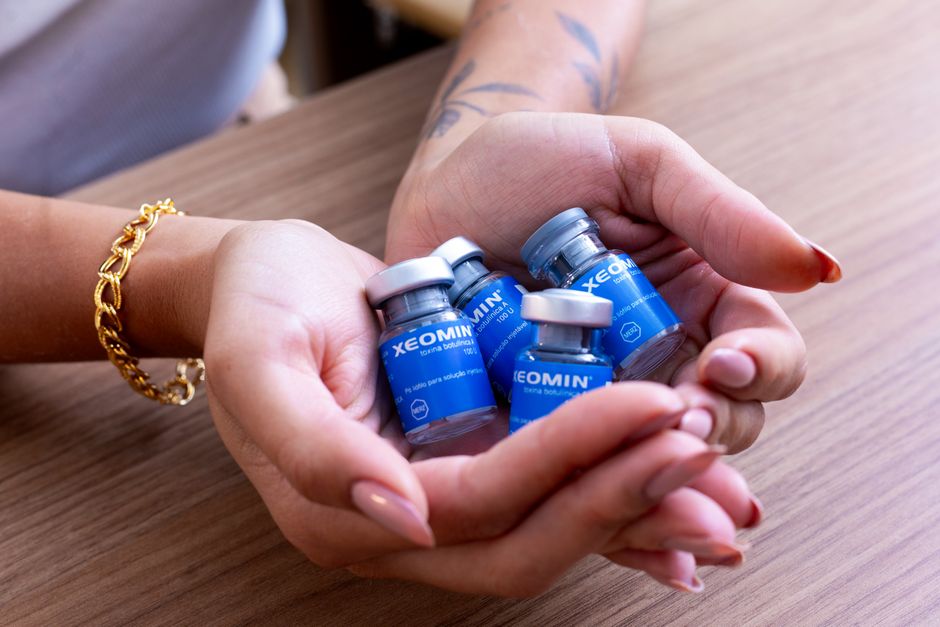
Most clinicians ask patients to wait at least 24 hours after Botox before exercising, and many recommend avoiding strenuous activity for 48 hours or longer. The reason is not that sweat or movement “washes the toxin away” in some vague sense — it is that the injected protein has to bind to nerve endings in the muscle, and that binding takes time.
How Soon Can You Work Out After Botox?
The short answer most injectors give is 24 hours for light activity and up to 48 hours or a week for intense exercise, depending on who you ask. That range exists because the evidence is thinner than most people assume.
Botulinum toxin type A works by entering the nerve terminal and blocking the release of acetylcholine, the chemical signal that tells a muscle to contract. This is not instant. The toxin must bind to receptors on the nerve, get taken inside, and then cleave a protein called SNAP-25 that the nerve needs to release acetylcholine. That process unfolds over several days.
Because the toxin is still diffusing and binding in the first day or two, the concern is that a surge in blood flow, muscle contraction, or pressure on the treated area could move some of it away from the intended muscle. That is a reasonable biological idea. It is not the same as proven clinical fact.
What is well established: the effect of Botox on frown lines typically starts to appear within a few days and reaches full effect around two weeks. What is less established: exactly how much exercise in the first 24 hours changes that outcome. No large controlled trial has settled this.
Why Do Injectors Tell You to Avoid Exercise?
The instruction comes from a mix of physiology and caution. Facial muscles are small and the doses used in cosmetic treatment are tiny — measured in units, not milliliters. A dose that spreads even slightly beyond the target muscle can cause unwanted effects, like a drooping eyelid when treating frown lines.
Exercise raises blood pressure and heart rate. It also increases blood flow to the skin and muscles. Some clinicians reason that this could encourage the toxin to diffuse further than intended. Others point out that the face is not especially affected by the kind of blood flow changes seen during a workout.
Some of the standard guidance traces back to the manufacturer’s own instructions rather than to independent trials. Those instructions tend to be conservative. Many injectors simply pass along a version of them.
There is also a practical element. Rubbing your face, lying face-down, or pressing on the treated area after injection is more clearly discouraged, because direct pressure can move the toxin. Exercise often involves touching your face, wiping sweat, or wearing tight headgear. Some of the advice is really about avoiding those behaviors.
Does the Type of Workout Matter?
Yes, and this is where the guidance gets more useful. Not all exercise is the same, and the risk is not identical across activities.
- Light walking — generally considered fine soon after, and many clinicians allow it the same day.
- Yoga or stretching — depends heavily on the poses. Inversions and anything that puts your head below your heart are usually discouraged for the first day.
- Weightlifting — involves straining, breath-holding, and a spike in blood pressure. Most injectors suggest waiting longer.
- Running, cycling, or high-intensity intervals — raise heart rate and cause sweating and face-touching. Typically on the “wait 24 to 48 hours” list.
- Swimming — often discouraged for the first day, partly because of chlorine and water exposure and partly because of head position.
The pattern here is straightforward. The more your workout raises your blood pressure, makes you sweat, or involves your head being low or your face being pressed, the more reason there is to wait.
What is not clear is whether the difference between, say, 24 hours and 48 hours actually changes outcomes. No study has directly compared those windows and measured the result in fine lines. The recommendations are sensible. They are not backed by head-to-head trials.





What About the First 24 Hours Specifically?
The first day is when the toxin is most mobile. After injection, the protein spreads a short distance through tissue before it binds. Activities that increase pressure or movement in that window are the ones most often flagged.
Things commonly advised against in the first 24 hours include:
- Strenuous exercise or anything that makes you sweat heavily
- Lying face-down or sleeping on the treated side
- Rubbing, massaging, or pressing the injected area
- Bending over for long periods or inverted yoga poses
- Saunas, steam rooms, and hot tubs
- Facials, face massage, or anything that manipulates the skin
Again, the honest position: these are widely recommended by clinicians, and the reasoning is sound, but the strength of the evidence behind each one varies. Some are based on how the drug works. Some are based on avoiding accidental pressure. Some are simply cautious.
Can Exercise Make Botox Wear Off Faster?
This is one of the most common worries, and the evidence does not support it. There is no established mechanism by which exercise breaks down botulinum toxin or shortens how long it lasts.
Botox typically lasts around three to four months for most people. That duration is determined mainly by how quickly your body rebuilds the nerve connections the toxin blocked — a process called nerve sprouting and recovery — not by how much you run or lift.
What exercise can do, in theory, is affect where the toxin ends up in the first day or two. That is different from making it wear off faster overall. The two ideas get mixed up constantly.
If your results seem to fade early, the more likely explanations are the dose used, your individual metabolism, whether you had prior treatments, and how your muscles respond. Exercise is not a well-supported culprit.
What Actually Affects Your Results?
Several factors matter more than your workout schedule, and they are worth knowing before you book.
| Factor | What the evidence shows |
|---|---|
| Dose and injection technique | Strongly affects outcome; this is the main variable clinicians control |
| Your anatomy and muscle strength | Affects how much movement returns and how visible lines are |
| Prior treatments | Some people respond differently over repeated sessions |
| Antibody formation | In a minority of people, the body develops antibodies that reduce response over time |
| Post-treatment pressure or rubbing | Reasonable to avoid; direct pressure is the clearest concern |
| Exercise in the first 24 hours | Widely advised against, but not proven to change results |
Notice where exercise sits on that list. It is a precaution, not a known major driver of how well your treatment works. The dose, the injector’s skill, and your own biology matter far more.
What Should You Do If You Already Worked Out?
Do not panic. There is no evidence that a single workout in the first day ruins your results, and no clinician can tell you with certainty that it did any harm.
What you can do is avoid repeating the things that are more clearly linked to problems — pressing on the area, lying face-down, or getting a facial in the first day. If you are worried, the practical step is to note it and mention it at your follow-up.
Results are usually assessed around two weeks after treatment, once the full effect has developed. If something looks off at that point, that is the right time to discuss it with your injector, not the day after a workout.
When to Call Your Injector
Most side effects after Botox are mild and temporary — small bruises, slight swelling, or a brief headache. These usually settle on their own.
Contact your provider promptly if you notice difficulty swallowing, trouble speaking, significant muscle weakness away from the treated area, or vision changes. These are uncommon but should be taken seriously. Severe reactions are rare, and any concerning symptom after treatment deserves a call rather than a wait-and-see approach.
For cosmetic doses, serious reactions are uncommon. That does not mean they never happen, and it does not mean you should ignore a symptom that worries you.
Frequently Asked Questions
How long after Botox can I exercise?
Most clinicians advise waiting at least 24 hours before any exercise, and many suggest 48 hours or longer for intense workouts. The recommendation is precautionary rather than proven by trials.
Can I do yoga after Botox?
Gentle yoga is often allowed the same day, but inverted poses and anything that puts your head below your heart are usually discouraged for the first 24 hours. Ask your injector, since advice varies.
Does sweating make Botox stop working?
There is no established evidence that sweat breaks down botulinum toxin. The concern with sweating is mainly that it leads to wiping or pressing your face, which is more clearly discouraged.
What happens if I work out right after Botox?
Nothing may happen at all, and there is no proof that one workout ruins your results. The risk is theoretical — that increased blood flow or pressure could move the toxin — so it is best avoided as a precaution.
