
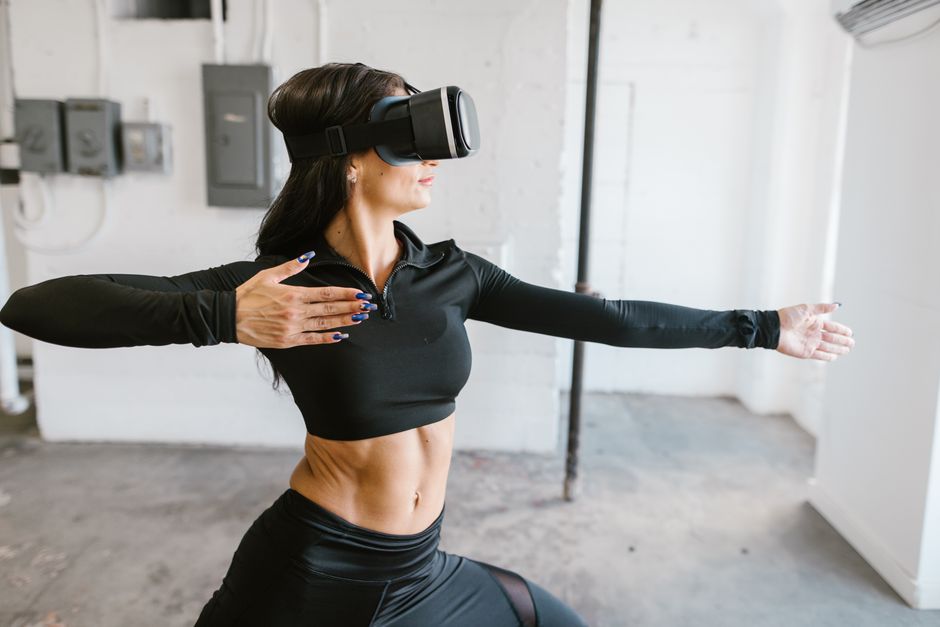
Most surgeons give the green light for light cardio within a week or two of breast augmentation, but chest-focused strength training usually waits at least four to six weeks. Full clearance for heavy lifting, push-ups, and high-impact exercise often comes around six to eight weeks. Those timelines are general ranges, not a universal rule — your own surgeon’s instructions and your healing progress set the real schedule.
The gap between “you can move” and “you can train hard” is where most setbacks happen. Pushing too fast can raise the risk of bleeding, shift the implant pocket, or prolong swelling. Understanding why each stage matters makes it easier to follow the plan without feeling like you’re just being told to wait.
How Soon After Breast Augmentation Can I Workout?
Light activity typically resumes in the first one to two weeks, while structured workouts build back over six to eight weeks. The exact timing depends on the surgical technique, whether the implant sits above or below the chest muscle, and how your body heals.
Surgeons generally divide recovery into phases rather than a single date. Walking is encouraged almost immediately because gentle movement supports circulation and reduces the risk of blood clots. That is different from a workout. The distinction matters because “activity” and “exercise” put very different demands on healing tissue.
A few factors shift the timeline:
- Placement: Implants placed under the chest muscle (submuscular) involve more tissue disruption than those placed over it, and often mean a slower return to upper-body work.
- Incision location: Different incision sites heal at different rates and carry different early-movement precautions.
- Your baseline fitness: People who trained regularly before surgery often recover conditioning faster, though this does not shorten the tissue-healing timeline itself.
- Surgeon preference: Post-op protocols vary widely between surgeons, and following yours specifically matters more than any general guide.
One point people rarely hear: the implant itself is not the fragile part. Modern implants are durable. What needs protecting is the healing pocket around it — the tissue capsule your body is forming to hold the implant in place. That capsule is what early restrictions are designed to safeguard.
Why Does Exercise Need to Wait After Surgery?
Healing happens in overlapping stages, and each one has a different tolerance for physical stress. In the first days, your body is forming clots and closing wounds. Over the following weeks, new tissue gains strength but is still vulnerable to strain.
Raised blood pressure and heart rate during exercise increase blood flow to the chest. In the early weeks, that can contribute to bleeding or fluid collection around the implant, which may require drainage or, in some cases, revision surgery. This is why even vigorous arm movement gets restricted at first.
The chest muscles themselves are another factor. When implants sit under the muscle, the muscle is stretched and must adapt to a new position. Forceful contraction too soon can pull on healing tissue and, in rare cases, contribute to implant displacement. High-impact activity like running adds repetitive bounce that stresses the same area.
None of this means exercise is dangerous in general — it means the chest needs a staged return. Your surgeon is weighing wound healing, implant position, and your individual anatomy, which is why their timeline should override any generic chart.
What Does a Safe Return to Exercise Look Like Week by Week?
A gradual ramp is safer than jumping back to your old routine. The exact weeks vary by surgeon, but the sequence below reflects common clinical guidance. Treat it as a framework to discuss with your surgeon, not a substitute for their instructions.
| Phase | Typical Activity | What to Avoid |
|---|---|---|
| First 1–2 weeks | Short walks, gentle daily movement | Anything that raises heart rate significantly; lifting; arm strain |
| Weeks 2–4 | Light lower-body work, walking, stationary cycling if cleared | Upper-body resistance; pushing, pulling, or pressing |
| Weeks 4–6 | Gradual return to lower-body strength training; light cardio | Heavy chest work; high-impact jumping or running |
| Weeks 6–8 | Progressive return to full training, often starting light | Max-effort lifts until your surgeon confirms healing |
These ranges are consistent with what many plastic surgeons describe, but protocols differ. Some surgeons allow earlier light cardio; others are more conservative. The table is a starting point for a conversation, not a fixed prescription.
When you do return to upper-body work, start lighter than you think you need to. The first few sessions are a test, not a training block. If you feel pulling, sharp pain, or unusual swelling, back off and check in with your surgeon.
Which Exercises Are Safe First, and Which Should Wait?
Lower-body and walking-based movement generally come back first. Chest, shoulder, and heavy pushing movements come back last. That order reflects how much each activity loads the healing chest area.
Safer early options, once your surgeon clears activity:
- Walking, including incline walking
- Stationary cycling with light resistance
- Seated or supported lower-body movements that don’t involve the arms
- Gentle stretching of the lower body, avoiding chest and shoulder stretch
Exercises to hold off on longer:
- Push-ups, bench press, chest fly, and overhead press
- Rowing, pull-ups, and heavy pulling movements
- Running and jumping, which create repetitive impact
- Swimming, until incisions are fully closed and your surgeon approves — pool water and open wounds don’t mix
Core work sits in a gray zone. Some movements like planks engage the chest and shoulders more than people realize, so many surgeons delay them alongside upper-body training. Ask specifically about your core routine rather than assuming it’s fine.
How Will I Know My Body Is Ready for Harder Training?
Readiness is judged by healing signs, not by the calendar alone. Swelling that has settled, incisions that are closed, and a chest that feels comfortable with daily movement are all positive signals. Persistent soreness, fluid buildup, or a change in how the implants sit are reasons to wait.
Your surgeon’s follow-up appointments are the clearest checkpoint. They can assess implant position and tissue healing in ways you cannot see yourself. If you are unsure whether you are ready, that uncertainty is itself a reason to ask rather than guess.
Pain is a useful but imperfect guide. Some people feel fine before tissue has fully regained strength, and some feel discomfort after healing is well underway. That mismatch is one reason surgeons rely on structured timelines rather than “listen to your body” alone. Both matter — but the timeline comes first.
What Happens If You Exercise Too Soon?
Returning too early raises the risk of complications that can affect your result. The most common concerns are bleeding or fluid collection around the implant, increased swelling, wound healing problems, and in some cases implant displacement that may need revision.
These risks are not guaranteed to happen if you push a little, but they are real enough that surgeons build their timelines around them. The trade-off is usually not worth it. A few extra weeks of patience protects a result you’ll live with for years.
If you notice sudden swelling, a change in breast shape, new pain, or fluid leaking from an incision, contact your surgeon promptly rather than waiting for your next appointment. Early assessment makes most of these issues easier to manage.
Can You Exercise Other Body Parts During Recovery?
Yes, in many cases — with your surgeon’s approval. Lower-body and core-adjacent work that doesn’t engage the chest or raise your heart rate too much is often permitted earlier than upper-body training. The key is avoiding movements that tense the chest or spike blood pressure.
This is where people often underestimate the connection. Bracing your core during a heavy squat or deadlift engages the chest and shoulders more than it seems. If a movement makes you clench your upper body, it’s probably too soon. Ask your surgeon which specific exercises are cleared rather than assuming “leg day” is automatically safe.
Cardio is similar. Walking is almost always fine early. Higher-intensity cardio that leaves you breathless and straining tends to wait until the chest has settled. The goal during recovery is to maintain circulation and general fitness without stressing healing tissue.
Frequently Asked Questions
How soon after breast augmentation can I workout?
Light cardio often starts within one to two weeks, but full workouts usually wait six to eight weeks. Your surgeon’s specific instructions should guide your timeline.
Can I do cardio after breast augmentation?
Walking is typically fine early, while running and high-intensity cardio usually wait several weeks. Ask your surgeon when higher-impact cardio is cleared.
When can I lift weights after breast augmentation?
Lower-body weights often resume around four to six weeks, while heavy upper-body lifting usually waits longer. Start lighter than your previous training and build gradually.
What happens if I exercise too soon after breast augmentation?
Exercising too early can raise the risk of bleeding, swelling, wound problems, or implant displacement. Contact your surgeon if you notice sudden swelling, pain, or a change in shape.
