
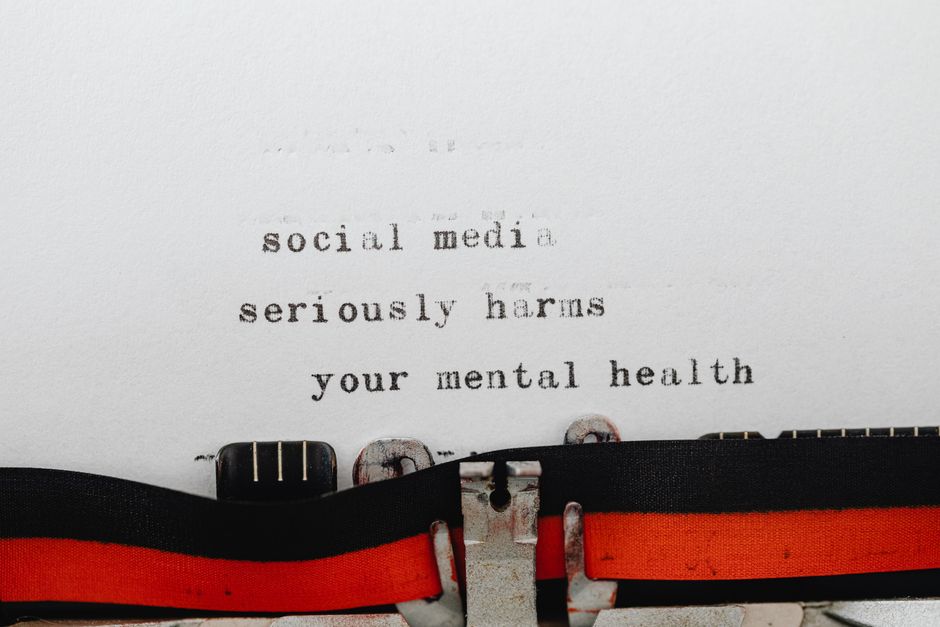
Social media affects teen girls’ mental health in ways that are both real and complicated. The platforms are built to hold attention, and adolescent girls are at a developmental stage where peer approval carries unusual weight. Research consistently links heavy social media use to higher rates of anxiety, depression, and body image distress in teen girls, though the effect varies widely from one girl to the next.
How Social Media Affects Teen Girls Mental Health?
The short answer: it depends heavily on what girls are doing online, how much time they spend, and what else is happening in their lives. Social media is not a single thing. A group chat with close friends and a public feed full of filtered images are both “social media,” but they affect mental health very differently.
What the research shows most clearly is a statistical association, not a simple cause-and-effect. Girls who spend more time on social media tend to report more symptoms of anxiety and depression. Whether the social media causes those symptoms, results from them, or both, is still being worked out. Some studies suggest a bidirectional relationship — low mood can drive more scrolling, and more scrolling can deepen low mood.
The clearest risks cluster around a few specific patterns. Appearance-focused content and constant comparison. Late-night use that displaces sleep. And exposure to content that normalizes self-harm or disordered eating. These are not abstract concerns. They show up repeatedly in clinical reports from people who work with adolescents.
Why Are Teen Girls More Vulnerable Than Boys?
Adolescence is a period when the brain is highly sensitive to social feedback. The regions involved in processing peer evaluation and reward are developing rapidly, and this happens alongside a natural shift toward valuing friendships and social standing more intensely. That sensitivity is not a flaw. It is part of normal development.
Girls, on average, tend to place more weight on relational and appearance-based feedback during these years. Research on adolescent social development has long shown that girls often report stronger concerns about peer acceptance and body image than boys do. Social media amplifies both of those pressures because it makes peer feedback constant, public, and quantifiable through likes and comments.
There is a second factor. Many platforms reward visual self-presentation. Photo-based comparison is built into the experience. For a girl already tuned in to how she is perceived, that is a powerful combination.
None of this means boys are unaffected. They are. But the specific pressures girls face — appearance, social ranking, relational conflict — map closely onto what social media is designed to emphasize.
What Does the Evidence Actually Show?
The evidence is strongest for correlation and weaker for clean causation. Large surveys have found that adolescents who use social media more heavily report more psychological distress. Some longitudinal studies — which follow the same people over time — suggest that heavy use predicts later depressive symptoms, particularly in girls.
At the same time, the effect sizes in most studies are modest. That means social media is one factor among many, not a single cause of a mental health crisis. Researchers have been careful to point out that individual differences matter enormously. Two girls can use the same apps for the same number of hours and have very different experiences.
What complicates the picture further is that social media also provides genuine benefits. Connection with friends, support during hard times, and community for girls who feel isolated in their offline lives are real and documented. The question is not whether social media is good or bad. It is which uses help and which ones harm.
Some researchers have proposed that the effects depend on who is using it, how they are using it, and what they are seeing. A girl with existing anxiety who spends hours comparing herself to influencers is in a very different situation from a girl who uses a group chat to stay close to friends.
What Are the Specific Risks for Teen Girls?
Several patterns show up consistently in clinical and research settings. They are worth knowing because they are specific enough to watch for.
- Appearance comparison. Exposure to idealized and often edited images is associated with body dissatisfaction, and body dissatisfaction is a known risk factor for disordered eating.
- Sleep disruption. Late-night use and notifications that interrupt sleep are linked to poorer sleep quality, and poor sleep is strongly connected to mood problems in adolescents.
- Social comparison and exclusion. Seeing peers gathered without them, or measuring their social worth in likes, can intensify feelings of loneliness and low self-worth.
- Cyberbullying. Online harassment is associated with increased risk of anxiety, depression, and in serious cases, self-harm. This is one of the clearest and most direct harms.
- Harmful content. Algorithms can surface content that normalizes self-harm, disordered eating, or extreme dieting. This is a documented concern and one that platforms have struggled to control.
The risk is not evenly distributed. Girls who are already struggling with anxiety, depression, or body image concerns appear more vulnerable to these effects. So do girls who are socially isolated offline.
When Should Parents and Caregivers Be Concerned?
Worrying about social media is normal, but not every bad mood after scrolling is a red flag. The signs worth paying attention to are changes that persist and affect daily life.
Consider seeking professional support if a teen shows:
- Withdrawal from friends and activities she used to enjoy
- Persistent low mood, irritability, or hopelessness lasting more than a couple of weeks
- Significant changes in sleep or appetite
- Preoccupation with appearance or weight that interferes with eating or daily functioning
- Any talk of self-harm or suicide
Any mention of self-harm or suicide should be taken seriously and addressed promptly. In the US, the 988 Suicide and Crisis Lifeline is available by call or text, and a pediatrician or mental health professional can help with next steps.
It is also worth remembering that many teens are far more aware of social media’s downsides than adults assume. Some girls describe feeling drained by it and want help setting limits but do not know how to start that conversation.
What Actually Helps?
There is no single fix, and the evidence on specific interventions is still developing. But several approaches are reasonable and widely supported by clinicians who work with adolescents.
Focus on sleep first. Keeping devices out of the bedroom and setting a cutoff time before bed addresses one of the most direct pathways between social media and mood. Sleep is foundational, and protecting it is one of the most concrete steps available.
Talk about content, not just time. Asking what she is seeing and how it makes her feel is often more useful than counting minutes. Some content is genuinely harmful; some is genuinely supportive. Helping her notice the difference builds a skill she will use for years.
Encourage active use over passive scrolling. Messaging friends and creating content tend to be associated with more positive outcomes than passively consuming feeds. The distinction is not absolute, but it is a useful guide.
Keep the conversation open. Punitive bans often backfire with teenagers. A collaborative approach — setting limits together and revisiting them — tends to work better than rules imposed from above.
What does not help is panic. Social media is not going away, and treating it as purely toxic can shut down the conversations that actually protect teens. The goal is not elimination. It is helping girls build a relationship with these tools that supports rather than undermines their mental health.
If a teen is struggling, a pediatrician or mental health professional can assess what is happening and recommend appropriate support. Social media may be part of the picture, but it is rarely the whole story.
Frequently Asked Questions
How many hours of social media is too much for a teen?
There is no official clinical threshold, and researchers have not settled on a specific number. What matters more than total hours is the pattern of use — late-night scrolling, passive comparison, and harmful content are stronger warning signs than time alone.
Does social media cause depression in teen girls?
The evidence shows a consistent association, and some longitudinal studies suggest heavy use predicts later depressive symptoms in girls. However, most researchers describe it as one contributing factor among many rather than a direct cause.
Is social media always bad for teen girls?
No. Social media can provide real connection, support, and community, especially for girls who feel isolated offline. The effects depend on how it is used and what content a girl is exposed to.
What should I do if my daughter seems depressed after using social media?
Talk with her about what she is seeing and how it makes her feel, and watch for changes that persist and affect daily life. If low mood, withdrawal, or sleep problems last more than a couple of weeks, a pediatrician or mental health professional can help assess what is going on.
