
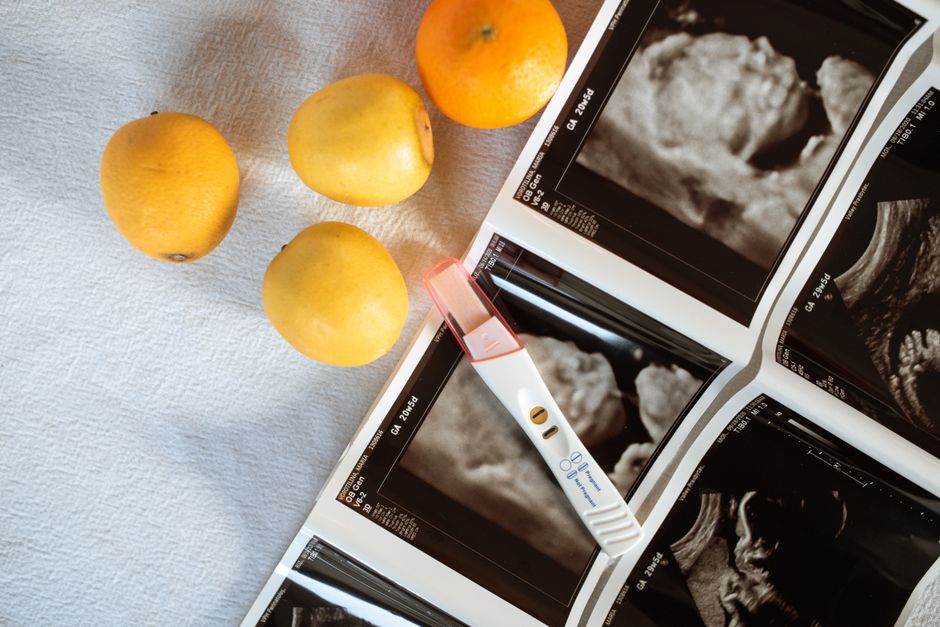
Fertility declines with age in everyone, but the pattern differs between women and men. For women, the decline is steep and starts earlier than most people expect — fertility begins to drop gradually around age 30 and more quickly after 35. For men, the decline is slower and more gradual, but it is real. There is no single age at which having a baby becomes impossible. There is a clear age range where it becomes harder, and another where pregnancy carries more risk.
The short answer: most women can still conceive naturally in their early 30s, fertility drops noticeably through the late 30s, and natural conception becomes significantly less likely after 40. Men can father children into their 50s and beyond, though sperm quality and pregnancy outcomes worsen with age. Below is what the biology actually shows, age by age.
How Old Can You Have A Baby Fertility By Age?
Female fertility peaks in the late teens and twenties. After that, it declines steadily. The drop is not a cliff at 35 — it is a curve that gets steeper as the years pass.
The main reason is the egg supply. A woman is born with all the eggs she will ever have — roughly one to two million at birth. That number falls throughout life and drops faster after the mid-30s. By the time of menopause, the supply is essentially gone. Age affects not just how many eggs remain but also their quality, because eggs age along with the rest of the body.
Here is the general pattern, described qualitatively because individual variation is wide:
- Under 30: Fertility is at its highest. Most couples trying to conceive do so within a year.
- Early 30s: Fertility is still good but begins a gradual decline.
- 35 to 39: The decline speeds up. It takes longer, on average, to conceive, and the chance of pregnancy loss rises.
- 40 to 44: Natural conception becomes substantially less likely. Many women in this range need medical help to conceive.
- 45 and older: Natural pregnancy is uncommon. Most pregnancies at this age involve donor eggs or fertility treatment.
These are averages, not rules. Some women conceive easily at 40. Others struggle at 32. Age is the single strongest factor in fertility, but it is not the only one.
Why Does Fertility Drop Faster After 35?
Two things happen at once after 35: fewer eggs remain, and a higher share of them carry chromosomal errors. Both reduce the odds of a healthy pregnancy.
The chromosomal issue matters more than most people realize. As eggs age, the machinery that divides chromosomes during cell division becomes less reliable. This raises the chance of an embryo with an abnormal number of chromosomes. Most of those embryos do not implant, and many that do result in miscarriage. This is why miscarriage rates climb with maternal age — it is largely a reflection of egg quality, not a sign that something is wrong with the woman.
This is a non-obvious point worth sitting with: the age-related rise in miscarriage is mostly about the egg, not the uterus. The uterus stays capable of carrying a pregnancy much longer than the ovaries stay capable of producing a healthy egg. That distinction is why egg donation allows many women in their 40s to carry a pregnancy successfully.
Can Men Have a Baby at Any Age?
Men do not have a hard cutoff the way women do. Sperm production continues throughout life, and men have fathered children in their 60s and beyond. But older fatherhood is not risk-free, and the evidence here is worth stating plainly.
Sperm quality declines with age. Some studies suggest that sperm DNA fragmentation increases and that semen volume and sperm motility decrease over time. The effect is gradual and far less dramatic than the female decline, but it is measurable.
There is also a link between older paternal age and certain health risks in offspring. Research has associated advanced paternal age with a higher chance of some rare genetic conditions and with modest increases in certain neurodevelopmental conditions. These are statistical associations, and the absolute risk for any one child remains low. The honest summary: older fatherhood is possible and common, but the risk profile is not identical to that of a younger father.
What About IVF and Fertility Treatment at Older Ages?
Fertility treatment can extend the window, but it does not erase age. This is where marketing and reality often diverge.
IVF success rates fall with the age of the woman’s eggs. The treatment does not make old eggs young. What it does is help with other problems — blocked tubes, sperm issues, ovulation problems — and it allows eggs to be retrieved and embryos to be selected. When a woman uses her own eggs, IVF success rates drop sharply with age, roughly tracking the natural decline. When donor eggs from a younger woman are used, success rates are much higher and depend far less on the recipient’s age.
This is the key distinction. IVF with a woman’s own eggs at 42 is a very different proposition from IVF with donor eggs at 42. Some clinics publish success rates by age, and it is reasonable to ask for those numbers directly rather than relying on general claims.
What Other Factors Affect Fertility Besides Age?
Age is the dominant factor, but several others shift the odds up or down. None of them override age entirely.
- Smoking: Linked to earlier menopause and reduced fertility in women, and to lower sperm quality in men.
- Weight: Both very low and very high body weight can disrupt ovulation and hormone signaling.
- Medical conditions: Conditions such as endometriosis, polycystic ovary syndrome, and thyroid disorders can affect fertility.
- Prior pelvic surgery or infection: Can affect the fallopian tubes or reproductive organs.
- Alcohol and drug use: Heavy use is associated with reduced fertility in both sexes.
These factors are worth addressing, but they do not mean a 42-year-old with healthy habits has the fertility of a 30-year-old. Age remains the strongest single predictor.
When Should You Seek Help?
The general guidance is to see a doctor after a year of trying to conceive if you are under 35, and after six months if you are 35 or older. For women 40 and older, many clinicians suggest seeking evaluation sooner rather than waiting, because time matters more at that stage.
You should also seek evaluation earlier if you have irregular periods, known conditions affecting fertility, prior pelvic surgery, or a history of miscarriage. These are reasons to check in regardless of how long you have been trying.
Testing is straightforward and usually includes hormone blood tests, an assessment of ovarian reserve, and imaging of the reproductive organs. For men, a semen analysis is a standard first step. It is worth noting that male factors contribute to a substantial share of infertility cases, so testing both partners early is more efficient than testing one at a time.
What Does the Evidence Actually Say About Age and Pregnancy?
The core finding is consistent across decades of research: female fertility declines with age, the decline accelerates after the mid-30s, and it becomes steep after 40. This is not controversial. It is supported by data on natural conception, miscarriage rates, and IVF outcomes using a woman’s own eggs.
What is less certain is the precise shape of the curve for any individual woman. Population averages hide wide variation. Ovarian reserve testing can give a rough sense of egg quantity, but it does not reliably predict whether a specific woman will conceive naturally. A low reserve does not mean pregnancy is impossible, and a high reserve does not guarantee it will be easy.
One more honest point: the widely repeated claim that “fertility falls off a cliff at 35” is an oversimplification. The decline is real and meaningful, but it is a slope, not a cliff. The problem with the cliff framing is not that it overstates the risk — it is that it can give younger women a false sense of security before 35 and older women unnecessary despair after it.
Frequently Asked Questions
Can you get pregnant naturally at 45?
Natural pregnancy at 45 is uncommon but not impossible. Most pregnancies at this age involve fertility treatment or donor eggs, and the chance of natural conception is low.
Is 38 too old to have a baby?
No, 38 is not too old, but fertility has declined noticeably by this age. Many women conceive at 38, though it may take longer and the chance of miscarriage is higher than at a younger age.
How does age affect male fertility?
Male fertility declines gradually with age, and sperm quality can worsen over time. Men can father children into their 50s and beyond, but older paternal age is linked to modest increases in certain health risks for offspring.
Does IVF work at 42 with your own eggs?
IVF success rates with a woman’s own eggs at 42 are substantially lower than at younger ages. Success depends heavily on egg quality, and using donor eggs generally produces much higher success rates.
