
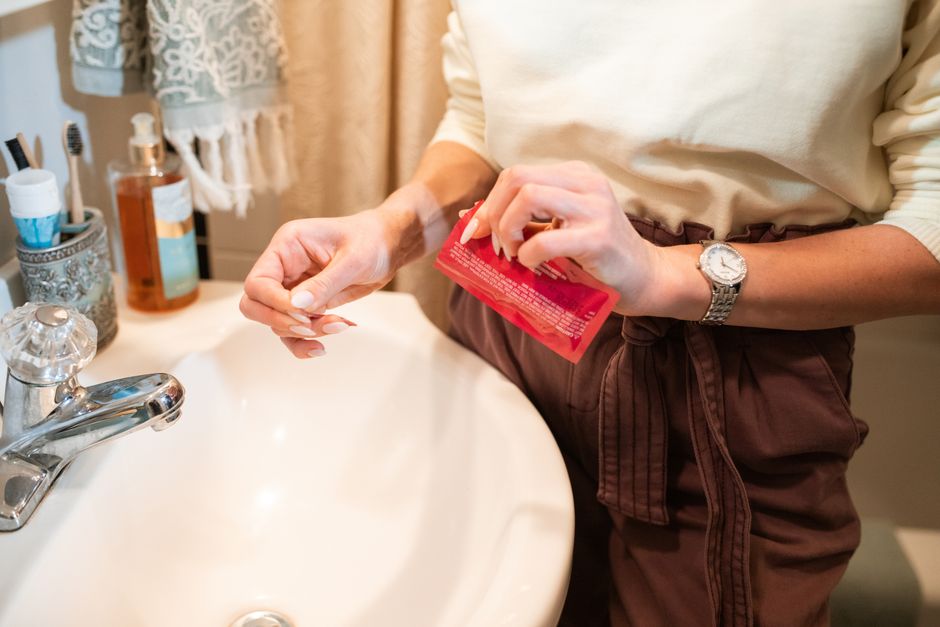
Whitening strips are one of the most popular at-home teeth whitening options. Most brands instruct users to apply them once daily for 14 days. That is the standard starting point. However, the exact frequency depends on the product strength, your enamel sensitivity, and how your teeth respond.
What Is the Standard Recommended Schedule?
Most major whitening strip brands follow a similar protocol. You apply the strips once per day, usually for 30 minutes, over a one to two week period. Some products use a shorter 10-day cycle. Others extend to 20 days.
The active ingredient in most strips is hydrogen peroxide or carbamide peroxide. These compounds break down stains on the enamel surface. The concentration of that ingredient determines how long you should use the product.
Lower concentration strips are safe for longer use. Higher concentration strips require shorter treatment windows. Always read the specific instructions on the box you purchased. Do not assume all strips are the same.
How Often Is Too Often?
Using whitening strips more than the package directs does not speed up results. It increases your risk of enamel damage and tooth sensitivity. Peroxide breaks down stain molecules, but it also interacts with the proteins in your enamel. Overuse can weaken the surface of the tooth.
Many people repeat a whitening cycle every few months. That is generally safe for most individuals. However, if you use strips continuously without breaks, you may notice your teeth becoming translucent or overly sensitive to cold air and drinks.
Dentists typically recommend waiting at least a few months between full whitening cycles. This gives your enamel time to remineralize. If you are unsure how long to wait, ask your dentist. They can assess your enamel health directly.
What Causes Tooth Sensitivity During Whitening?
Tooth sensitivity is the most common side effect of whitening strips. The peroxide penetrates the enamel and reaches the dentin layer beneath. Dentin contains microscopic tubules that lead to the nerve inside the tooth. When peroxide irritates these nerves, you feel a sharp or dull ache.
This sensitivity is usually temporary. Most people notice it during the treatment week and for a few days after. If sensitivity becomes severe or lasts longer than a week after finishing, stop using the strips and see a dentist.
Some people are naturally more prone to sensitivity. If you have receding gums, exposed roots, or existing enamel erosion, whitening strips may cause more discomfort. In these cases, a dentist-supervised whitening option may be safer.





Can You Use White Strips Every Day?
Daily use is the standard instruction for most products. The strips are designed for once-per-day application during the treatment period. That is not the same as using them indefinitely.
Daily use for two weeks is the typical maximum. After that, you should stop and evaluate the results. Using strips every single day for months is not recommended. No clinical evidence supports that as a safe practice.
Some people try to stretch results by using strips once a week as a maintenance routine. This is not a formally studied approach. Some dentists suggest it may help maintain brightness, but it is not an established protocol. If you choose this route, monitor your sensitivity closely.
How Do Different Brands Compare?
Whitening strip concentrations vary significantly between brands. Some drugstore strips contain around 6% hydrogen peroxide. Professional-grade strips available through dentists can contain 10% or higher. Higher concentrations do not automatically mean better results. They mean higher risk of sensitivity.
When choosing a product, look at the percentage of active ingredient listed on the label. This information is usually printed on the box. If you cannot find it, contact the manufacturer or choose a product that clearly states its concentration.
Generic or store-brand strips may use different formulations than name brands. The application time and treatment length can differ. Always follow the package insert for the specific product you bought, not advice you read online about a different brand.
What About Whitening Strips and Dental Work?
Whitening strips only affect natural tooth enamel. They do not whiten crowns, veneers, bridges, or dental bonding. If you have visible dental work on your front teeth, whitening strips may create a color mismatch between your natural teeth and the restorations.
This is a common reason people are unhappy with their whitening results. The natural teeth become lighter, but the crowns stay the same shade. Discuss whitening with your dentist before starting if you have any restorations on visible teeth.
Whitening strips are also not recommended if you have untreated cavities or active gum disease. The peroxide can irritate inflamed gum tissue. It can also penetrate deeper into a decayed tooth, causing pain. Address these issues first.
How to Reduce Sensitivity While Whitening
You can take several steps to minimize discomfort during a whitening cycle. Use a toothpaste formulated for sensitive teeth for two weeks before you start. This helps block the tubules in your dentin before the peroxide reaches them.
Apply the strips to dry teeth. Saliva dilutes the peroxide and can reduce its effectiveness. It can also cause the strips to slip. Gently blot your teeth with a tissue before applying.
Do not brush your teeth immediately before applying strips. Brushing can create microscopic abrasions on the enamel. The peroxide then penetrates these areas more deeply. Brush beforehand, wait at least 30 minutes, then apply the strips.
After removing the strips, do not brush right away. Rinse your mouth with water and wait at least 30 minutes. This allows the enamel to rehydrate and reduces the risk of brushing away softened surface layers.
Are Whitening Strips Safe for Enamel?
Used as directed, whitening strips do not permanently damage enamel. The peroxide temporarily changes the enamel surface, but saliva helps remineralize it over time. This is why breaks between cycles matter.
Studies have shown that peroxide-based whiteners can temporarily reduce enamel hardness. The enamel typically recovers with exposure to saliva and fluoride. However, repeated overuse without recovery periods may cause lasting changes.
If you have naturally thin enamel or a history of frequent cavities, talk to your dentist before using any whitening product. They may recommend a different approach, such as custom-fitted trays with a lower peroxide concentration.
When Will You See Results?
Most people notice a visible difference after three to five days of daily use. Full results appear at the end of the treatment cycle. The final shade depends on your starting color, the type of stains you have, and the product concentration.
Stains from coffee, tea, and tobacco respond well to peroxide whitening. Stains caused by certain antibiotics or excess fluoride during tooth development do not respond as well. These internal stains are harder to treat with at-home products.
Results are not permanent. Your teeth will gradually darken again as you consume staining foods and beverages. Most people find their whitening lasts several months to a year. Touch-up cycles are common during that time.
What If You Have Sensitive Teeth Already?
If you already experience sensitivity to cold or sweet foods, whitening strips may make it worse. Start with a lower concentration product. Use it every other day instead of daily. This extends the treatment period but reduces discomfort.
Some dentists recommend taking a break after three or four applications if sensitivity develops. Wait a few days, then resume. This is not the manufacturer’s instructions, but it is a reasonable adaptation discussed in dental practice.
If sensitivity does not resolve within a week of stopping, see a dentist. Persistent sensitivity may indicate an underlying issue unrelated to whitening, such as a cracked tooth or exposed root surface.
Frequently Asked Questions
Can I use whitening strips twice a day?
No, using strips twice daily doubles your peroxide exposure without doubling results. Stick to once per day as directed to protect your enamel.
How long should I wait between whitening strip cycles?
Most dentists suggest waiting at least three to six months between full cycles. This gives enamel time to remineralize and reduces cumulative sensitivity risk.
Do whitening strips damage tooth enamel?
Used as directed, strips cause temporary surface changes that saliva can repair. Overuse without breaks can weaken enamel over time.
Can I use whitening strips if I have cavities?
No, you should treat cavities before whitening. Peroxide can penetrate decayed areas and cause significant pain or irritation.
