
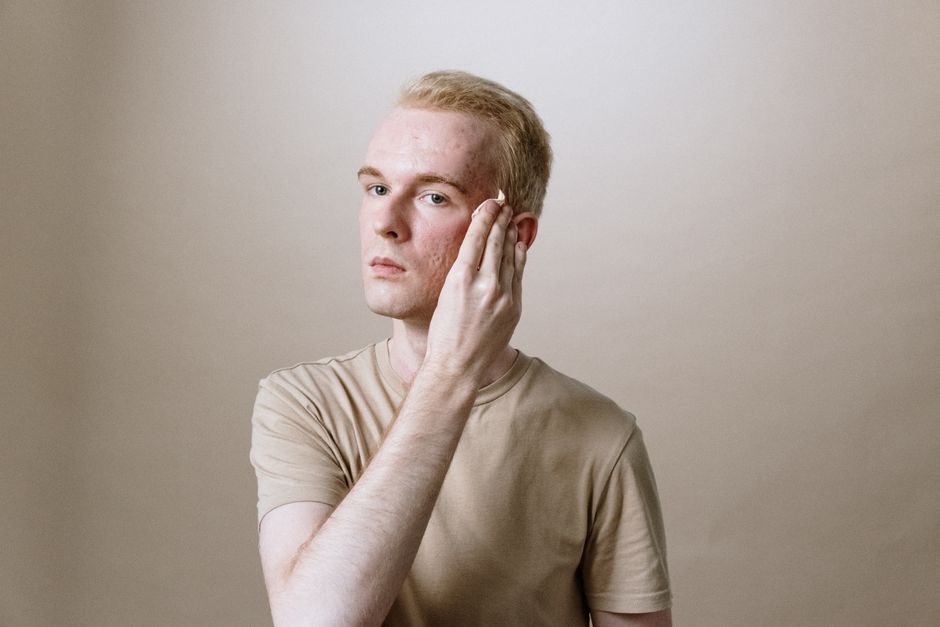
PanOxyl 10 is a maximum-strength benzoyl peroxide wash, and the “10” refers to a 10% concentration. Most dermatologists suggest using it once daily to start, and many people never need more than that. Using it twice a day is sometimes done, but it raises the risk of irritation without a clear payoff. The right frequency depends on your skin type, how you react, and what else you are putting on your face.
Benzoyl peroxide is one of the most studied acne treatments available. It works, and it works at lower concentrations too. The question is not whether to use it, but how to fit it into a routine your skin can tolerate.
How Often Should You Use PanOxyl 10 For Acne?
Once a day is the standard starting point for most people. That means one wash, usually at night, left on the skin for a short time and then rinsed off.
Some people use it twice daily. That is not wrong, but it is not automatically better. Benzoyl peroxide does not appear to work faster or more completely just because you apply it more often. Past a certain point, you are mostly adding irritation risk.
If your skin is oily and has tolerated benzoyl peroxide before, twice daily may be fine. If your skin is dry, sensitive, or you are new to the ingredient, once daily — or even every other day at first — is the smarter path.
There is a detail worth knowing. Benzoyl peroxide is not like an antibiotic you take for a set number of days. It works through direct contact with the skin. That means the concentration and how long it stays on matter, but frequency beyond once or twice a day does not add much.
Why 10% Is Not Automatically Better Than 5% or 2.5%
Higher concentration does not mean proportionally better results. This is one of the most misunderstood points about benzoyl peroxide.
Research has generally found that lower concentrations of benzoyl peroxide can work about as well as higher ones for many people, while causing less irritation. A 2.5% product and a 10% product can both reduce acne-causing bacteria on the skin. The 10% version simply delivers more of the active ingredient per application, which increases the chance of redness, dryness, and peeling.
So why does PanOxyl 10 exist? Because some people with stubborn, oily, or more resistant acne do better with a higher strength. It is a legitimate option. It is just not the only option, and it is not the “strongest equals best” situation people often assume.
If you are using the 10% wash and your skin is constantly red or flaking, dropping to a 5% or 4% product is a reasonable move. You are not giving up effectiveness. You may actually be improving your odds of sticking with treatment long enough to see results.
How to Use It Without Wrecking Your Skin
Benzoyl peroxide is a contact irritant. It does not cause true allergic reactions in most people, but it can irritate skin directly, especially at higher strengths. A few habits make a real difference.
- Start slow. Use it once daily, or every other day for the first week or two.
- Apply to clean, dry skin and rinse thoroughly after a short contact time.
- Use a gentle, non-active cleanser on the days or times you skip it.
- Moisturize. Benzoyl peroxide dries skin, and a plain moisturizer helps offset that.
- Use sunscreen daily. Benzoyl peroxide can make skin more sensitive to the sun.
Some clinicians recommend a “short contact” approach, where you leave the wash on for a brief period before rinsing, rather than treating it like a leave-on cream. This can reduce irritation while still delivering the ingredient. The exact contact time is not firmly standardized, so follow the product label and your own skin’s response.
One more thing: benzoyl peroxide bleaches fabric. Towels, pillowcases, and clothing can get permanent light spots. White bedding and towels sidestep the problem.
What to Expect and When to Expect It
Acne treatment is slow. This is true for benzoyl peroxide and for nearly everything else that works.
Most people see some improvement within a few weeks, but meaningful clearing often takes longer — commonly several weeks to a few months. It is normal for acne to look slightly worse before it looks better, because the skin is adjusting and existing clogged pores still have to resolve.
If you have used it consistently for a couple of months and see no change at all, that is useful information. It may mean the strength is off, the frequency is off, or benzoyl peroxide is not the right fit for your type of acne. A dermatologist can help sort that out.
Do not judge the routine after three days. That is the most common mistake people make.
Can You Use Other Acne Products With It?
Yes, but stacking too many active ingredients at once is how people end up with irritated, angry skin.
Benzoyl peroxide is often combined with other treatments, and some combinations are well established. It is frequently paired with topical antibiotics like clindamycin, because benzoyl peroxide helps reduce the risk of antibiotic resistance. That combination is common in prescription acne care.
Other actives — retinoids, salicylic acid, adapalene — can be used alongside benzoyl peroxide, but usually not all at the same time of day, and usually not all started at once. A common approach is benzoyl peroxide in the morning and a retinoid at night, or alternating days.
If you are using a prescription acne treatment, ask your clinician how to layer it with an over-the-counter benzoyl peroxide wash. Do not assume more products equal faster results. They often equal more irritation.
When to Use It Less Often or Stop
Irritation is the main reason to dial back. Watch for persistent redness, stinging, peeling, or burning that does not settle.
Mild dryness in the first week or two is common and often fades. Ongoing irritation is not something to push through. Reduce frequency, reduce strength, or take a break and let your skin recover.
Signs you should reconsider your routine:
- Redness or peeling that lasts more than a few days
- Burning or stinging that gets worse with each use
- Skin that feels raw or cracked
- No improvement after a couple of months of consistent use
If your acne is severe, cystic, or leaving scars, an over-the-counter wash is unlikely to be enough on its own. That is a situation for a dermatologist, not a stronger wash.
Does Using It More Often Clear Acne Faster?
No. This is the core misunderstanding behind the whole question.
Benzoyl peroxide kills acne-related bacteria and helps clear dead skin that clogs pores. It does this through contact, not through buildup in your system. Once you have applied it and rinsed it off, the job for that application is done. Applying it three or four times a day does not compound the effect. It mostly compounds the irritation.
The people who get the best results are usually the ones who use it consistently at a tolerable frequency for months, not the ones who use it aggressively for a week and then quit because their face is red and stinging.
Consistency beats intensity here. That is the whole game.
Frequently Asked Questions
Can I use PanOxyl 10 twice a day?
Yes, some people do, but it is not necessary for most and increases the risk of irritation. If your skin tolerates it without redness or peeling, twice daily is an option — but once daily is usually enough.
How long does PanOxyl 10 take to work?
Some improvement often appears within a few weeks, but meaningful clearing commonly takes several weeks to a few months. If nothing changes after about two months of consistent use, it may not be the right fit.
Is PanOxyl 10 stronger than the 4% version?
It contains a higher concentration of benzoyl peroxide, but higher concentration does not reliably mean better results. Lower strengths can work about as well for many people while causing less irritation.
Should I use PanOxyl 10 every day?
Daily use is common, but starting every other day is reasonable if your skin is sensitive or new to benzoyl peroxide. Build up to daily use only if your skin tolerates it.
