

Your glucose meter is the tool you trust for daily health decisions, but it doesn’t last forever. Most manufacturers recommend replacing your glucose meter every 2 to 5 years, depending on the brand and model. However, the real answer is more practical: replace it when it stops giving accurate results, when it breaks, or when you can no longer get test strips for it. Accuracy is the only thing that matters, and a meter that fails accuracy checks is a safety risk regardless of its age.
What Is the Standard Lifespan of a Glucose Meter?
Most glucose meter manufacturers design their devices to last between 2 and 5 years. This is not a strict expiration date. It is an estimate of how long the internal electronics and sensors typically remain reliable under normal use.
Some premium models may last longer, while budget meters may show signs of wear sooner. The physical condition of the meter matters as much as its age. A meter that has been dropped repeatedly, exposed to extreme temperatures, or stored in a damp bathroom may fail long before the 2-year mark.
You should check the user manual that came with your specific device. It will state the manufacturer’s recommended replacement interval. When in doubt, contact the manufacturer directly with your model number.
How Can You Test If Your Glucose Meter Is Accurate?
The most reliable way to check accuracy is to take your meter to your next doctor’s appointment. Ask the lab to run a blood glucose test at the same time you use your meter. The results should be within 15 percent of each other for glucose values above 100 mg/dL, according to international accuracy standards.
You can also use the control solution that came with your meter or that you purchased separately. Control solution contains a known amount of glucose. When you test it, your meter should read within the range printed on the solution’s label. If it reads outside that range, the meter is likely inaccurate.
Run a control test at least once a month. Also run one when you open a new box of test strips, after dropping the meter, or whenever you suspect a problem. A meter that fails control testing twice in a row should be replaced.
What Are the Warning Signs That You Need a New Meter?
Several clear signs indicate it is time to replace your glucose meter. Do not ignore these warnings, because an inaccurate reading can lead to incorrect insulin doses or missed treatment decisions.
- Failed control solution tests — If the meter reads outside the acceptable range twice in a row, replace it.
- Visible damage — Cracks, a loose battery compartment, or a screen that flickers are red flags.
- Repeated error messages — Frequent “E” codes or error screens suggest internal failure.
- Inconsistent readings — Testing the same drop of blood twice and getting wildly different results signals a problem.
- Discontinued test strips — When your strips become unavailable, it is often cheaper and safer to buy a new meter than to hunt for old stock.
Battery issues alone do not mean the meter is dead. Replacing the battery is normal maintenance. But if new batteries do not fix persistent power problems, the meter’s internal circuits are likely failing.




Does the Expiration Date on the Meter Matter?
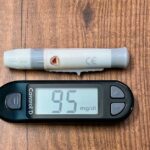
Some glucose meters have a printed expiration date on the back label. This date is the manufacturer’s guarantee of accuracy for that specific unit. After this date, the company no longer guarantees the device meets accuracy standards.
This does not mean the meter instantly becomes useless on that exact day. It means the manufacturer has not tested the device beyond that point. If your meter is past its expiration date but passes control testing consistently, it may still work fine. However, you are now relying on a device without a manufacturer guarantee of accuracy.
For most people, the safer choice is to replace the meter when it reaches the printed expiration date. The cost of a new meter is small compared to the risk of an incorrect glucose reading.
How Often Should You Replace Your Glucose Meter Compared to Test Strips?
Test strips are single-use items. You use one strip once, then discard it. Strips also have expiration dates printed on the box, and you should never use strips past that date. Expired strips give unreliable results.
Meters are different. They are reusable electronic devices designed to last years, not months. The replacement schedule for a meter is driven by accuracy testing and physical condition, not by a calendar date alone.
The one exception is if you notice that different boxes of strips give different readings on the same meter. This usually points to a strip problem, not a meter problem. Try a fresh box of strips before replacing the meter.
Does Insurance Cover Glucose Meter Replacement?
Most private insurance plans and Medicare cover glucose meters and test strips under durable medical equipment benefits. Coverage for replacement meters depends on your specific plan. Some plans allow replacement every 5 years, others every 2 years, and some only when the meter fails.
Call your insurance company before buying a new meter. Ask about your replacement schedule and whether you need a prescription from your doctor. Many plans require a new prescription for a new meter, even if you have been using the same brand for years.
If your meter is under warranty, the manufacturer may replace it free of charge. Most meters come with a 1 to 5 year warranty. Check your warranty paperwork before spending money on a new device.
What Should You Look for When Buying a Replacement Meter?
When the time comes to buy a new meter, focus on the cost of test strips, not the cost of the meter itself. Meters are often inexpensive or free with a prescription, but the strips are the ongoing expense. A meter that uses expensive strips will cost you far more over its lifetime than the device itself.
Check the accuracy standards of the meter you are considering. All meters sold in the United States must meet FDA accuracy requirements, but some models perform better in independent testing. Look for meters that meet the newer ISO 15197:2013 standard, which requires 95 percent of readings to be within 15 percent of the lab value.
Consider practical features that matter for daily use. A meter with a backlit screen is easier to read in low light. A meter that requires a smaller blood sample may be more comfortable. Bluetooth connectivity that syncs readings to your phone can help you track patterns, but it is not necessary for everyone.
Frequently Asked Questions
Can a glucose meter last longer than 5 years?
A glucose meter can last longer than 5 years if it passes control solution testing and shows no physical damage. However, the manufacturer no longer guarantees accuracy beyond this period, so regular accuracy checks become essential.
How do I know if my glucose meter is giving wrong readings?
Use control solution to test your meter monthly and compare your meter reading to a lab test at your next doctor visit. Readings that fall outside the control solution range or differ from lab results by more than 15 percent indicate a problem.
Are expensive glucose meters more accurate than cheap ones?
Price does not reliably predict accuracy. All meters sold in the United States must meet FDA accuracy standards, and some budget models perform as well as premium ones in independent testing. The ongoing cost of test strips matters more than the upfront meter price.
Can I replace just the battery in my glucose meter?
Yes, replacing the battery is normal maintenance and does not require a new meter. If new batteries do not resolve power issues or error messages, the meter’s internal components are likely failing and replacement is warranted.
