
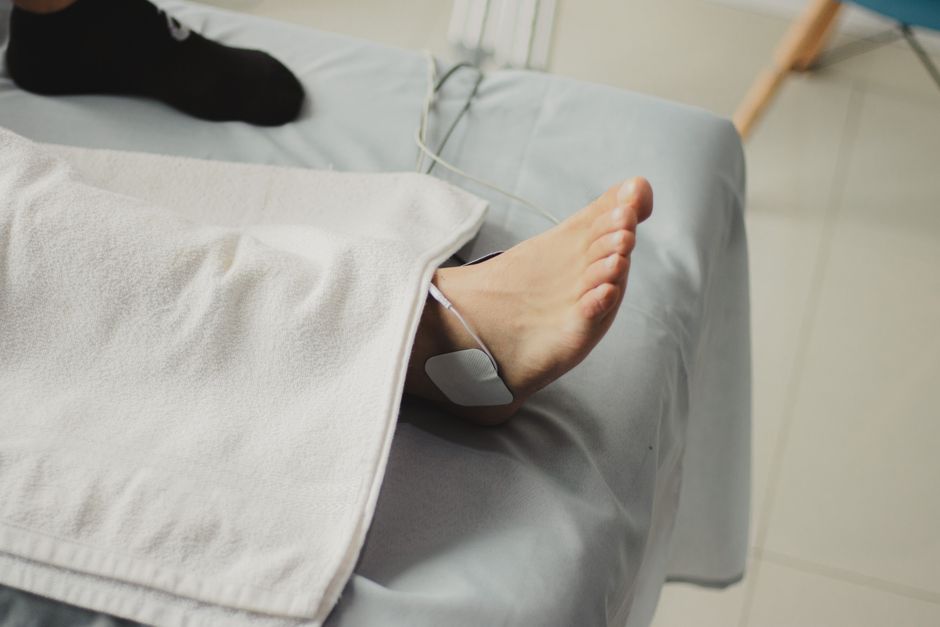
If you have had a DEXA scan to check your bone density, you likely want to know when to schedule the next one. The answer depends on your results, your age, and your risk factors. For most people, a repeat scan is not needed for at least two years. Those being treated for osteoporosis may need a scan every one to two years. People with normal bone density can often wait five years or longer. Your doctor will set the exact interval based on your personal situation.
What Is a DEXA Scan and What Does It Measure?
A DEXA scan uses low-dose X-rays to measure bone mineral density (BMD). It is the gold‑standard test for diagnosing osteoporosis and osteopenia (low bone mass). The scan focuses on the hip and spine, the most common sites for fractures that cause disability.
The result is given as a T-score. A T-score of –1.0 or above is normal. From –1.0 to –2.5 is osteopenia. Below –2.5 is osteoporosis. The number compares your bone density to that of a healthy young adult of the same sex. A lower T-score means higher fracture risk.
DEXA is quick, painless, and uses very little radiation—about the same amount you get from a cross‑country flight. That low radiation level means the danger from repeat scans is not a major concern, but unnecessary scans still waste time and money.
How Often Should You Repeat a DEXA Scan for Osteoporosis Screening?
Major clinical guidelines recommend different intervals depending on your first T-score and your risk factors.
- Normal bone density (T-score above –1.0): Repeat in 5 to 10 years if you have no new risk factors. Being female, over 65, or having a parent with a hip fracture does not change this interval unless something new appears.
- Osteopenia (T-score –1.0 to –2.5): Repeat every 2 to 5 years. The shorter interval fits women with additional risks such as smoking, rheumatoid arthritis, or long‑term steroid use.
- Osteoporosis (T-score –2.5 or lower): Repeat every 1 to 2 years, especially if you have started treatment.
These are general rules. Your doctor may adjust the timing based on how quickly your bone density is changing and your personal fracture history.
How Often Should You Repeat a DEXA Scan If You Are on Treatment?
If you are taking medication for osteoporosis, your doctor will want to see if the drug is working. The most common approach is to repeat the scan after one to two years of treatment. This allows enough time for a measurable change in bone density.
Some medications, like bisphosphonates, take at least six to twelve months to show a meaningful effect. Repeating the scan too early wastes resources and may show no change even if the drug is working. A one‑year minimum is standard for treatment monitoring.
After the first follow-up scan shows stable or improved bone density, your doctor may space scans further apart—every two to three years—as long as you remain on treatment and have no new fractures.

Factors That Affect How Often You Need a Repeat Scan
Several factors can push your interval shorter or longer.
- Age: Bone loss accelerates after menopause. Women in their 50s and 60s may need more frequent scans than women in their 70s if their bone density is borderline.
- Weight loss or corticosteroid use: Losing more than 5% of body weight or taking prednisone for three months or longer can increase bone loss. Your doctor may repeat a scan sooner.
- Previous fracture: A fracture after a minor fall is a strong risk factor for another fracture. A repeat scan may help guide treatment decisions.
- Disease or medications: Conditions like hyperparathyroidism, celiac disease, or use of certain antidepressants can lower bone density. Your scan interval will depend on how well these are controlled.
In general, women who are past menopause and have no special risks can follow the standard intervals above. Men may require different guidance (see below).
Can You Get a DEXA Scan Too Often?
Yes, you can. The radiation from a single DEXA scan is low, but repeated scans without a good reason are unnecessary. More importantly, bone density changes slowly. A repeat scan less than one year after the previous one is unlikely to show a real change. Statisticians call this the “least significant change” (LSC). Most DEXA scanners need at least one to two years to detect a true difference.
Getting a scan too often also feeds into overtreatment. If a minor measurement error looks like a drop in bone density, a doctor may start or change medication that you did not need. The measurement accuracy of DEXA has a small inherent error, so two scans done six months apart could easily appear different even if your bones are stable.
The bottom line: unless you have a very specific medical reason—such as starting a strong steroid and needing a baseline—your doctor should not order a repeat DEXA more frequently than once a year. Most guidelines recommend at least 12 to 24 months between scans.
What About Men? When Should They Get Scans?
Men get osteoporosis less often than women, but it still occurs. The U.S. Preventive Services Task Force does not recommend routine screening for men unless they have risk factors. But many clinical groups suggest screening men over age 70, or over 50 if they have risk factors such as low body weight, smoking, or hypogonadism.
If a man has a normal DEXA scan at age 70, a repeat scan in 5 to 10 years is reasonable if no new risks appear. Men with osteopenia or osteoporosis follow the same intervals as women. There is no evidence that men need different follow‑up timing.
The Bottom Line on DEXA Scan Intervals
There is no single “right” number for everyone. The safest answer is to follow the schedule your doctor sets based on your first scan and your health history. In general, people with normal bone density can wait five years. People with osteopenia should repeat every two to five years. People being treated for osteoporosis should repeat every one to two years.
If you are unsure whether you need a repeat scan, ask your doctor to review your most recent T-score and your risk factors. Do not request a scan simply because it has been a certain number of years since your last one. The decision should be tailored to you.
Frequently Asked Questions
How often should I repeat a DEXA scan if I have osteopenia?
Every two to five years depending on your other risk factors. Women with additional risks like smoking or steroid use usually go on the shorter end of that range.
How often should I repeat a DEXA scan while on osteoporosis medication?
Most guidelines recommend a repeat scan after one to two years of treatment. If your bone density is stable after that, your doctor may space scans to every two to three years.
Can you get a DEXA scan too often?
Yes. Bone density changes slowly, and repeating the scan more often than every 12 months rarely shows a real change. Too‑frequent scans can lead to unnecessary treatment or anxiety.
Do men need repeat DEXA scans?
Yes, if their initial scan showed low bone density or they have risk factors. Men over 70 with normal scans can wait five to ten years for the next one, just like women.
