
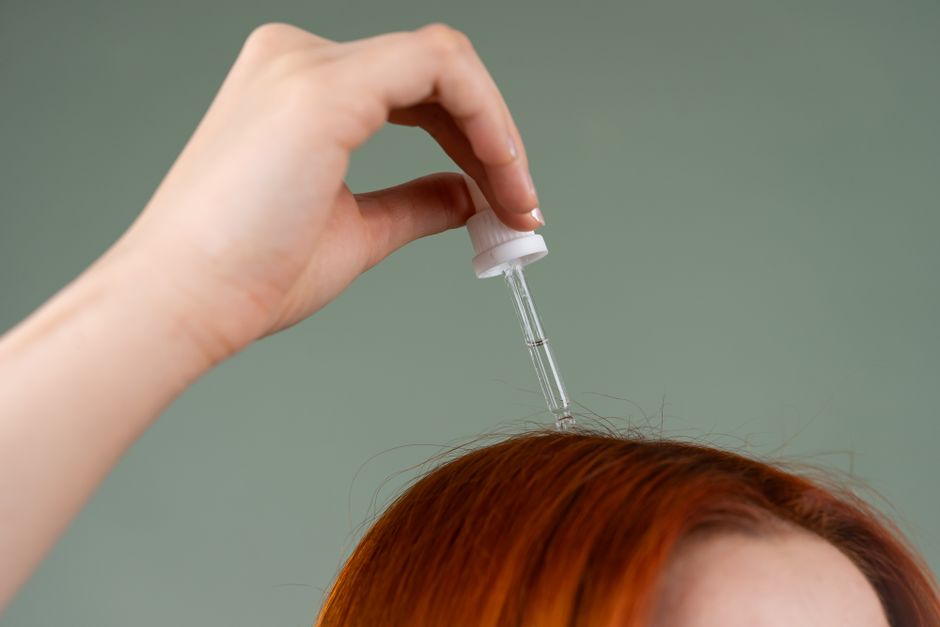
There is no single schedule that fits everyone, but most people get the best results applying argan oil to their hair one to three times a week. Daily use is not necessary for most hair types and can leave fine or thin hair looking greasy. The right frequency depends on your hair texture, how oily your scalp is, and what you are trying to achieve.
Argan oil is a plant oil pressed from the kernels of the argan tree, which grows mainly in Morocco. It is rich in oleic and linoleic fatty acids and contains vitamin E. People use it as a leave-in conditioner, a frizz smoother, and a treatment for dry ends. What it does not do is fix damaged hair from the inside, and understanding that matters when you decide how often to use it.
How Often Should You Put Argan Oil In Your Hair?
The short answer is one to three times a week for most people. That range covers the way argan oil actually works on hair.
Argan oil coats the outside of the hair shaft. It fills in rough spots on the cuticle and slows the loss of water from the hair. That is why hair feels softer and looks shinier after you apply it. This is a surface effect. It does not repair broken bonds inside the hair, and it does not reverse damage that has already happened.
Because the oil sits on the surface, using it too often causes buildup. Too much oil weighs hair down, attracts dust, and can make the scalp feel greasy. For most hair types, a few times a week gives you the conditioning benefit without the buildup.
Your hair type is the biggest factor in where you land in that range:
- Fine or thin hair: once a week, and use a small amount. Fine hair shows oil quickly.
- Medium hair: one to two times a week is usually enough.
- Thick, coarse, or curly hair: two to three times a week, or more often on the ends only.
- Dry or chemically treated hair: two to three times a week, focused on the ends.
- Oily scalp: less often on the scalp, more often on the ends.
These are general starting points, not rules. Adjust based on how your hair looks and feels after a few weeks.
Should You Put Argan Oil On Your Scalp Or Just The Ends?
For most people, the ends need it more than the scalp does. Your scalp already produces sebum, its own natural oil. The ends of your hair are farthest from the scalp and get the least of that natural oil. That is why ends tend to feel dry and look split first.
Applying argan oil to the scalp is not necessary for most people. It can make the scalp look greasy and may leave hair near the roots looking flat. If your scalp is oily, adding more oil can make the problem worse.
There is a common claim that argan oil helps with dandruff or scalp conditions. No strong clinical evidence supports argan oil as a treatment for dandruff. Dandruff is usually linked to a type of yeast on the scalp and to how the skin sheds. If you have a scalp condition, a medicated shampoo or a doctor’s advice is the better route.
A practical approach: apply a few drops to the ends and mid-lengths, and keep it away from the roots unless your scalp is genuinely dry. If your scalp is dry and flaky, see a doctor to find out why before you treat it with oil.
How Do You Apply Argan Oil So It Actually Helps?
How you apply it matters as much as how often. A few drops, warmed between your palms, go a long way. Start with less than you think you need.
- Put two to four drops in your palm. Rub your hands together to warm the oil.
- Work it into the ends and mid-lengths first. Use what is left on your hands for the rest.
- Comb or brush through to spread it evenly.
- Use pure argan oil rather than a product that lists it far down the ingredient list. Many “argan oil” products are mostly silicone or mineral oil with a small amount of argan oil added.
You can apply it to damp or dry hair. On damp hair, it helps seal in moisture after washing. On dry hair, it smooths frizz and adds shine. Many people do both: a small amount on damp hair after washing, and a drop or two on dry ends between washes.
You can also use it as a pre-wash treatment. Apply a larger amount to the ends, leave it on for a while, then shampoo it out. This is a common practice, though there is no strong evidence that a longer leave-on time gives more benefit than a quick application.




Does Argan Oil Actually Repair Damaged Hair?
No. Argan oil can make damaged hair look and feel better, but it does not repair it. This is one of the most common misunderstandings about hair oils.
Hair is not living tissue once it grows out of the follicle. The shaft is made mostly of keratin, a protein, and it cannot heal itself the way skin can. Damage from heat, coloring, or bleaching breaks chemical bonds and lifts the cuticle. Oil can smooth the lifted cuticle and make hair feel softer, but it cannot rebuild those bonds.
What argan oil can do is reduce friction and slow moisture loss. That can make hair less likely to break and look healthier. It is a cosmetic benefit, not a repair. If your goal is to address serious damage, the more effective steps are cutting back on heat and chemical treatments and getting regular trims.
Some research suggests argan oil has antioxidant properties, and it has been studied for use on skin. Whether those properties translate into meaningful benefits for hair has not been established in large human trials.
Can You Use Argan Oil Every Day?
You can, but most people do not need to. Daily use raises the risk of buildup, especially on fine hair. It also means using more product, which most people do not need for the benefit.
If you have very dry, thick, or coarse hair, daily use on the ends may work for you. If your hair is fine or your scalp is oily, daily use will likely leave your hair looking greasy and flat.
Watch for these signs that you are using too much or too often:
- Hair looks greasy or stringy even after washing
- Hair feels weighed down or limp
- Your scalp feels oily or itchy
- You need to wash your hair more often than usual to remove the oil
If you notice any of these, cut back to once or twice a week and use less oil each time.
What Are The Risks And Limits Of Argan Oil?
Argan oil is generally well tolerated when applied to hair. Allergic reactions are uncommon but possible, as with any plant oil. If you have a known nut allergy, note that argan is a tree nut, though reactions to argan oil are rare. If you are unsure, test a small amount on your inner arm first.
There is no clinical guideline that sets a safe or recommended amount of argan oil for hair. The advice to use a few drops a few times a week comes from general practice, not from controlled trials. That is an honest limit worth knowing.
Argan oil is also not a treatment for hair loss. Some marketing suggests it can help with thinning hair. No clinical evidence confirms that argan oil regrows hair or treats hair loss. If you are losing hair, see a doctor to find the cause.
One more point: argan oil is not a replacement for a conditioner or a treatment for a medical scalp condition. It is a cosmetic product that can improve how hair looks and feels. It will not fix an underlying problem.
How Does Argan Oil Compare To Other Hair Oils?
Argan oil is lighter than many other oils, which is why it suits a wider range of hair types. Coconut oil, for example, is heavier and can be comedogenic, meaning it may clog pores on some skin. It also tends to leave a greasier feel on fine hair.
Jojoba oil is close in structure to the scalp’s natural sebum, which some people find suits their scalp better. Castor oil is thick and heavy and is often used on the scalp, though evidence for hair growth claims is lacking.
There is no strong evidence that one hair oil is clearly better than another for everyone. The best choice depends on your hair type and how your hair responds. Argan oil’s main advantage is that it is light enough for many people to use without weighing hair down.
Frequently Asked Questions
How often should I put argan oil in my hair?
Most people do best with one to three times a week. Fine hair usually needs less, while thick or dry hair can handle more frequent use on the ends.
Can I leave argan oil in my hair overnight?
Yes, some people apply it as an overnight treatment and wash it out in the morning. There is no strong evidence that leaving it on longer gives more benefit than a shorter application.
Does argan oil help with hair growth?
No clinical evidence confirms that argan oil regrows hair or treats hair loss. It can improve how hair looks and feels, but it is not a treatment for thinning hair.
Can argan oil make my hair greasy?
Yes, using too much or applying it too often can leave hair looking greasy, especially on fine hair. Use a few drops and keep it on the ends rather than the roots.
