
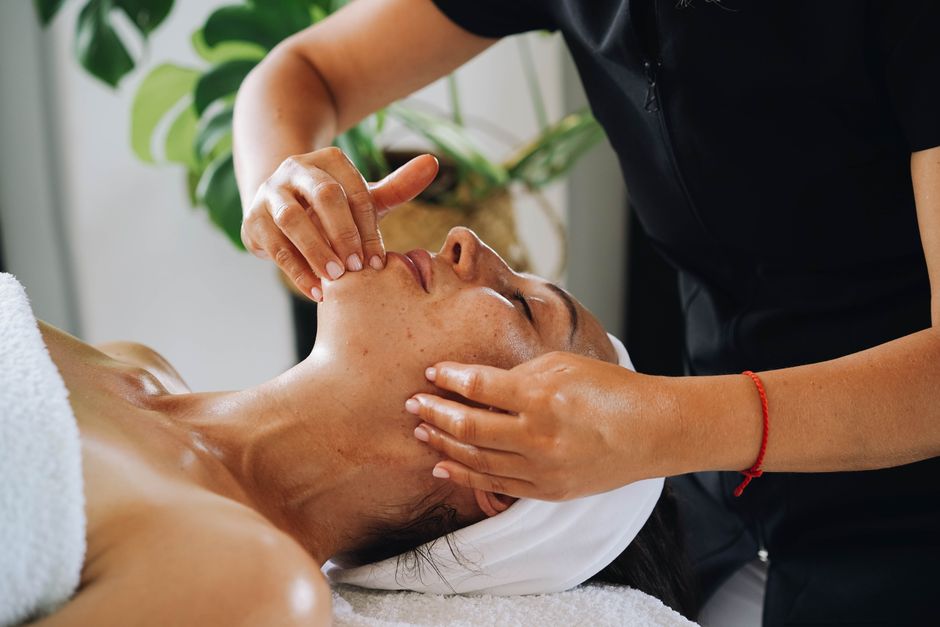
There is no medical rule that says you need a facial on any schedule. A facial is a cosmetic skin treatment, not a health requirement, and the right frequency depends on your skin, your budget, and what the treatment actually involves. For most people with healthy skin, a facial every four to six weeks is a common rhythm — but that number comes from spa convention and the skin’s natural renewal cycle, not from clinical trials proving it is optimal.
That distinction matters. Facials can feel good and can leave skin looking temporarily smoother or brighter. But the evidence that regular professional facials improve long-term skin health is thin. What follows is an honest look at what facials do, what they do not do, and how to think about frequency without being sold a package you do not need.
How Often Should U Have A Facial?
Every four to six weeks is the schedule most estheticians suggest, and it roughly matches the time it takes for your skin’s outer layer to turn over. That is a reasonable anchor, not a prescription. Someone with oily, congestion-prone skin might prefer monthly visits. Someone with sensitive or reactive skin might do better every two to three months, or less.
The more useful question is what you are trying to achieve. A facial for relaxation and a facial for extracting clogged pores are different services with different risks and different sensible intervals. A deep-cleansing treatment with extractions every week would irritate most skin. A gentle hydrating mask every few weeks is low-risk for many people.
One clarification worth making: the skin renewal cycle is often quoted as 28 days, but that figure describes young adult skin. Research shows the cycle slows with age, and by your 50s it can take considerably longer. So the “monthly facial” logic is built on a number that does not hold for everyone using it.
What Does a Facial Actually Do to Your Skin?
A facial is a sequence of steps — cleansing, sometimes exfoliation, sometimes steam, sometimes extraction, a mask, and moisturizer. Each step has a plausible effect on the skin surface. The combination is where the marketing gets ahead of the science.
Cleansing and moisturizing temporarily improve the look and feel of skin. Exfoliation removes dead surface cells and can make skin feel smoother for a few days. Steam softens debris and can make extraction easier. These are real, short-lived effects on the outer layer of skin.
What facials do not do is change the deeper structure of your skin. They do not remove wrinkles, tighten sagging, or permanently shrink pores. Pore size is largely determined by genetics and oil production, and no facial changes that. Claims that a facial “detoxifies” the skin are not supported by how skin physiology works — your liver and kidneys handle detoxification, and skin does not store toxins that a mask pulls out.
The effects that do last come from consistent home care and, for specific concerns, from treatments with stronger evidence behind them, such as prescription retinoids for acne and photoaging or sunscreen for preventing further damage.
Does the Evidence Support Regular Facials?
No large, well-controlled trials show that routine professional facials improve long-term skin health. The research base is thin. Most studies look at individual ingredients or specific devices, not the full spa facial as a package.
Some evidence does support particular components. Certain chemical exfoliants, like glycolic and salicylic acid, have been studied for acne and texture. Some studies suggest LED light therapy may help with certain skin conditions, though results vary and protocols differ. But a spa facial is not a standardized medical treatment — the products, concentrations, and techniques vary widely from one provider to the next.
This does not mean facials are worthless. It means the honest position is that the benefits are mostly short-term and cosmetic, and the long-term claims are not backed by strong evidence. If a provider tells you monthly facials will “prevent aging,” that claim goes beyond what studies show.
What Are the Risks of Getting Facials Too Often?
Overdoing facials can irritate skin, and the risk rises with how aggressive the treatment is. Exfoliation and extractions are the main culprits. Too much exfoliation can damage the skin barrier, leading to redness, stinging, and sensitivity. That can take days to weeks to settle.
Extractions carry a risk of breaking the skin, which can lead to infection or scarring, especially if done forcefully or on inflamed acne. People with active cystic acne, visible broken skin, or a history of cold sores should be cautious — some clinicians advise against facials during active breakouts.
There is also the ingredient question. Some products used in facials contain fragrances, essential oils, or acids that can trigger reactions in sensitive skin. If you have rosacea, eczema, or very reactive skin, a patch test and a conversation with the provider about what will be applied is sensible.
Anyone with a skin condition, or who is using prescription retinoids or has recently had a chemical peel or laser treatment, should check with a dermatologist before booking an exfoliating facial. Those combinations can compound irritation.
How Do You Decide Your Own Facial Schedule?
Start with your skin type and your goal, not with a package deal. If your skin is generally healthy and you want occasional pampering, spacing visits every month or two is fine. If you are using facials to manage a specific concern like acne or pigmentation, a dermatologist is a better starting point than a spa.
- Oily or congestion-prone skin: monthly visits with gentle exfoliation may suit some people, but avoid harsh extractions.
- Dry or mature skin: hydrating facials every four to eight weeks are low-risk for many, though benefits are temporary.
- Sensitive or reactive skin: less often, with patch testing and simple products.
- Active acne or a diagnosed skin condition: talk to a dermatologist before booking regular facials.
Watch how your skin responds. If you leave red, stinging, or broken out for days afterward, the treatment was too aggressive or too frequent for you. That reaction is more informative than any recommended schedule.
Are Expensive Facials Worth More Than Simple Ones?
Price does not reliably track with benefit. A costly facial with many steps is not automatically better for your skin than a simple cleanse, gentle exfoliation, and moisturizer. The core actions that help skin — cleansing, moisturizing, and sun protection — are inexpensive.
Where money can matter is the skill and training of the provider, especially for extractions and any acid or device treatments. A well-trained esthetician using appropriate products is a better bet than a lavish menu of add-ons. Be skeptical of treatments marketed with dramatic claims and no evidence behind them.
If you enjoy facials for relaxation, that is a legitimate reason to get them. Just separate the relaxation value from the skin-health claims. The former is real; the latter is often overstated.
Frequently Asked Questions
How often should you get a facial?
Every four to six weeks is the common suggestion, though no medical guideline sets this schedule. Your skin type, goals, and how your skin reacts should guide the frequency more than any standard rule.
Can you get facials too often?
Yes. Frequent exfoliation and extractions can damage the skin barrier and cause redness, stinging, and sensitivity. If your skin stays irritated between appointments, you are likely going too often or too aggressively.
Do facials actually improve your skin long-term?
The evidence for long-term improvement from routine facials is limited. Most benefits are short-term and cosmetic, and lasting skin health depends more on daily sunscreen, gentle cleansing, and appropriate home care.
Should you get a facial if you have acne?
It depends on the type of acne. Gentle facials may help some people with mild congestion, but active cystic acne or inflamed skin is better managed with a dermatologist, and forceful extractions can worsen it.
