
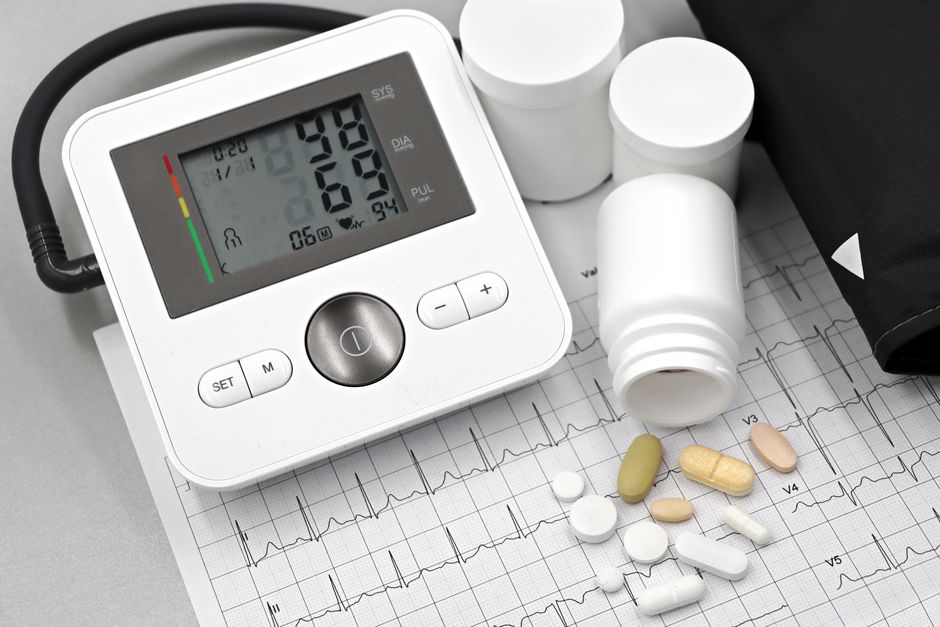
There is no single schedule for cardiac stress tests that applies to everyone. How often you should have one depends entirely on why it is being done, what your symptoms are, and what your doctor is trying to find out. For most people without heart symptoms, routine stress testing is not recommended at all.
How Often Should You Have a Cardiac Stress Test?
Frequency is driven by your reason for testing, not by a calendar. A stress test is a diagnostic tool, and like any diagnostic tool, it is used when there is a question that needs answering.
There are a few broad situations, and each has a different answer:
- Investigating new symptoms. If you have chest pain, shortness of breath with exertion, or unexplained fatigue, a stress test may be ordered once to help determine whether reduced blood flow to the heart is the cause. This is not a recurring schedule. It is a one-time evaluation of a specific problem.
- After a heart attack or procedure. Some patients are tested at intervals afterward to check on heart function or to look for new blockages. The timing here is set by the cardiologist based on the individual case.
- Before starting a strenuous exercise program. In certain people with risk factors, a stress test may be done once before beginning. It is not typically repeated on a routine basis afterward.
- Routine screening in people without symptoms. This is where the answer is clearest. Major guidelines do not recommend routine stress testing in people who have no symptoms and no known heart disease. Doing it “just to check” has not been shown to improve outcomes.
If you are looking for a number, that is the honest answer: there is no standard interval. Anyone who tells you to have one every year or every two years as a blanket rule is not following the evidence.
What Does a Cardiac Stress Test Actually Measure?
A stress test looks at how your heart performs when it is working harder than usual. The core question it answers is whether your heart muscle gets enough blood flow when it needs more oxygen.
During the test, your heart rate is raised — usually by walking on a treadmill or riding a stationary bike, and sometimes with a medication if you cannot exercise. While your heart is working, the test looks for signs that part of the heart muscle is not receiving adequate blood. Those signs can include:
- Changes in the electrical pattern of your heartbeat, seen on an electrocardiogram (ECG)
- Chest pain or shortness of breath that appears during exertion
- Blood pressure or heart rate responses that are outside the expected range
- On imaging versions of the test, areas of the heart muscle that do not contract normally or do not take up a tracer as expected
A stress test is a screening and diagnostic tool. It can suggest that coronary artery disease is present and can help guide whether more testing is needed. It does not, by itself, prove how severe a blockage is or predict exactly what will happen next.
Why Routine Stress Testing Is Not Recommended for Everyone
This is the part that surprises many people. A test that seems harmless and thorough can still cause problems if it is done without a clear reason.
The evidence on this point is fairly consistent. In people without symptoms and without known heart disease, routine stress testing has not been shown to prevent heart attacks or extend life. What it can do is set off a chain of events: a mildly abnormal result leads to more testing, sometimes an invasive procedure, and occasionally a complication — all without a demonstrated benefit for someone who felt fine.
That is not a reason to avoid a stress test when it is genuinely needed. It is a reason to be cautious about testing that is not tied to a specific question. The value of any test depends on whether the result will change what you and your doctor do next.
There is one useful distinction here. A stress test ordered because of symptoms is answering a live question. A stress test ordered as a yearly ritual is often answering nothing.





What About People With Known Heart Disease?
For someone who has already had a heart attack, bypass surgery, or a stent placed, the situation is different. In these cases, stress testing may be used at intervals to check on symptoms, to assess how well the heart is functioning, or to evaluate new or worsening complaints.
Even here, there is no fixed schedule that applies to everyone. The decision depends on your symptoms, your other conditions, and what your cardiologist is monitoring. Some patients are tested after a change in symptoms. Others are tested as part of a longer-term plan.
What matters is that the testing is tied to a reason. If you have known heart disease and are unsure when your next test should be, that is a conversation to have with your cardiologist rather than following a general rule from an article or a friend.
What Are the Risks of Having One Too Often?
Stress tests are generally considered low-risk, but “low-risk” is not the same as “no risk,” and repeating them without a clear purpose carries downsides.
The exercise portion of a stress test can, in rare cases, trigger a heart rhythm problem or a heart attack. This is uncommon, and testing is done with monitoring and medical supervision for that reason. The medication used in a non-exercise stress test can cause flushing, shortness of breath, or chest discomfort, usually briefly.
Beyond the physical risks, there is the risk of a misleading result. A test can come back abnormal when nothing is actually wrong, or normal when there is a real problem. Each result carries some chance of being wrong, and the more tests you have without a clear question, the more chances there are to act on a false signal.
There is also the matter of radiation. Some imaging stress tests use a small amount of radioactive tracer. The dose is modest, but it is not zero, and it is one more reason not to repeat these tests without a specific need.
How Do You Know If You Need One?
You generally do not decide this on your own, and that is appropriate. A stress test is ordered after a doctor considers your symptoms, your risk factors, your medical history, and what the result would actually change.
Signs that often prompt a stress test include chest pain or pressure with exertion, shortness of breath that is new or worse than before, or a drop in exercise tolerance you cannot explain. If you have these, they are worth discussing with a doctor promptly.
If you have no symptoms and no known heart disease, the more useful conversation is usually about the basics: blood pressure, cholesterol, blood sugar, smoking, and physical activity. These are the factors that have the strongest evidence behind them for reducing heart risk, and they are addressed through ongoing care rather than a single test.
If a test is recommended, it is reasonable to ask what the result will change. That question is not a challenge to your doctor. It is the same question good clinicians ask themselves.
Frequently Asked Questions
How often should you have a cardiac stress test if you have no symptoms?
Routine stress testing is not recommended for people without symptoms or known heart disease, so there is no standard interval. Testing in this group has not been shown to prevent heart attacks or improve survival.
Can a stress test be done every year?
There is no general recommendation to have a stress test every year. Frequency should be based on your symptoms and your doctor’s assessment, not a fixed yearly schedule.
How long does a cardiac stress test take?
The active testing portion usually takes about 15 to 30 minutes, though the entire appointment including preparation and recovery is often longer. Your care team will give you specific instructions for your visit.
Is a stress test safe to have more than once?
Stress tests are generally low-risk, but they are not risk-free and some versions involve a small amount of radiation. Repeating them should be tied to a clear medical reason rather than done routinely.
