
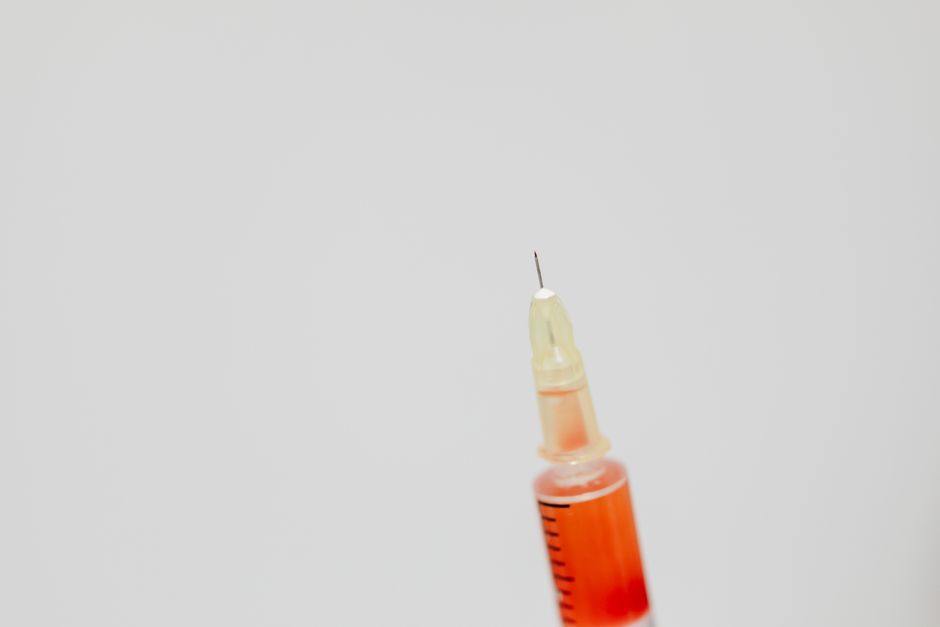
Microneedling is a popular skin treatment that uses tiny needles to create controlled micro-injuries in the skin. This process triggers your body’s natural wound-healing response, which boosts collagen and elastin production. For most people, the answer to how often you should get microneedling is every 4 to 6 weeks for a series of 3 to 6 treatments, followed by maintenance sessions every 3 to 6 months. The exact schedule depends on your skin concerns, the needle depth used, and how your skin responds to healing.
How Often Should You Get Microneedling for Best Results?
The standard treatment plan for microneedling is a series of sessions spaced about 4 to 6 weeks apart. This timeline is not random. It matches your skin’s natural healing cycle. Collagen production takes time to build. After a session, your skin needs about four weeks to complete its initial repair phase and generate new collagen fibers.
Most dermatologists recommend 3 to 6 sessions for noticeable improvement in texture, tone, and fine lines. After completing the initial series, you move to maintenance. Maintenance treatments are typically done every 3 to 6 months to sustain the collagen production. Some people extend this to once a year if their skin responds well.
Your specific schedule may differ if you are treating deeper scars or stretch marks. These conditions often require more aggressive treatment and longer gaps between sessions to allow for full healing.
What Happens to Your Skin Between Sessions?
Microneedling creates thousands of microscopic channels in the skin. These channels trigger an inflammatory response. That inflammation is what signals your body to send fibroblasts to the area. Fibroblasts are the cells responsible for producing collagen and elastin.
The skin goes through distinct phases after each session. For the first 24 to 48 hours, you will see redness and mild swelling. This is normal. Over the next few days, the skin begins to rebuild. By day 7, the outer layer typically looks healed, but deeper remodeling continues for several weeks.
The full collagen remodeling process peaks around 4 to 6 weeks after treatment. This is why waiting less than four weeks between sessions is not recommended. You would be disrupting the remodeling phase and potentially damaging newly formed tissue.
Skipping too long between sessions is also a problem. If you wait more than 8 weeks, the collagen production slows down. The cumulative effect of the series is lost, and you may need to restart the process from the beginning.
Does Needle Depth Change the Treatment Schedule?
Yes. Needle depth is one of the most important factors in determining your treatment frequency. Cosmetic microneedling devices typically range from 0.5 mm to 2.5 mm in depth. Deeper needles penetrate further into the dermis, where collagen and elastin live.
Shallow treatments at 0.5 mm or less are sometimes called “skin needling” or “baby microneedling.” These target the epidermis and upper dermis. They have minimal downtime and can be done more frequently, sometimes every 2 to 4 weeks. However, the results are subtle and mainly improve skin texture and product absorption.
Standard treatments at 1.0 mm to 1.5 mm reach the mid-dermis. These require the full 4 to 6 week gap between sessions. Deeper treatments at 1.5 mm to 2.0 mm are used for acne scars and stretch marks. These need the longest recovery time. Some practitioners recommend waiting 6 to 8 weeks between deep sessions.
Your provider should adjust your schedule based on the depth used. A one-size-fits-all approach is not appropriate for microneedling.





How Many Microneedling Sessions Do You Need for Different Concerns?
Your skin concern determines how many sessions you need. Fine lines and mild texture issues respond well to 3 sessions. Acne scars often require 4 to 6 sessions or more. Deep ice-pick scars may need 6 to 8 sessions combined with other treatments.
Here is a general breakdown of treatment plans by concern:
- Fine lines and wrinkles: 3 to 4 sessions spaced 4 weeks apart
- Acne scars: 4 to 6 sessions spaced 4 to 6 weeks apart
- Large pores and texture: 3 sessions spaced 4 weeks apart
- Stretch marks: 4 to 6 sessions spaced 6 weeks apart
- Hyperpigmentation: 3 to 5 sessions spaced 4 weeks apart
These are general ranges. Your actual plan depends on your skin’s response. Some people see significant improvement after two sessions. Others need the full series. Your provider should evaluate your progress after each treatment and adjust the plan accordingly.
What Is the Difference Between At-Home and Professional Microneedling Schedules?
At-home microneedling rollers and pens are widely available. These devices use needles that are much shorter, typically 0.25 mm to 0.5 mm. They are designed for home use because they only penetrate the superficial layers of the skin.
At-home devices can be used more frequently than professional treatments. Some manufacturers recommend using them every 1 to 2 weeks. The results are primarily improved product absorption and mild exfoliation. They do not produce the same collagen remodeling as professional treatments.
Professional microneedling penetrates deeper and creates a stronger healing response. This is why professional sessions require longer gaps. The trade-off is that professional treatments produce more dramatic and longer-lasting results.
There is an important safety note here. Reusing at-home needles or using them on active acne can introduce bacteria into the skin. This can cause infections and worsen scarring. If you use at-home devices, follow the manufacturer’s instructions for cleaning and replacement.
What Are the Risks of Getting Microneedling Too Often?
Getting microneedling too frequently can damage your skin. The most common risk is over-exfoliation. This happens when the skin does not have enough time to rebuild its protective barrier between sessions.
Signs of over-treatment include prolonged redness, increased sensitivity, and a burning sensation. In severe cases, the skin can develop hyperpigmentation or scarring. This is especially true for people with darker skin tones, who are more prone to post-inflammatory hyperpigmentation.
Another risk is that treating unhealed skin reduces the effectiveness of the treatment. Your body cannot produce collagen if it is still trying to repair the previous injury. You end up with frustrated skin that is inflamed but not building new tissue.
Some research suggests that excessive microneedling can lead to a condition called granuloma formation. This is a cluster of immune cells that forms in response to a persistent irritant. It is rare but can occur when the skin is repeatedly injured without adequate healing time.
How Do You Know When Your Skin Is Ready for Another Session?
Your skin should look and feel completely normal before your next session. Redness should be gone. There should be no peeling, flaking, or sensitivity. The skin should feel smooth and hydrated, not tight or irritated.
Most people reach this point by week 4. If you still have redness or sensitivity at week 4, wait longer. Your skin is telling you it is not ready. Pushing through the discomfort will not speed up results. It will only increase the risk of complications.
A good provider will assess your skin before each session. They will check for signs of inflammation, infection, or poor healing. If they recommend waiting longer, trust that judgment. The goal is cumulative collagen production, not a rigid schedule.
Sun exposure also affects readiness. If you have been in the sun without adequate protection, your skin may be more sensitive. Wait until any sunburn or tan has fully faded before scheduling your next session.
Frequently Asked Questions
Can I get microneedling every 2 weeks?
Only if you are using a very shallow depth of 0.5 mm or less, which is typical for at-home devices. Professional treatments at standard depths require at least 4 weeks between sessions.
How long do microneedling results last?
Results typically last 3 to 6 months after completing your initial series. Maintenance sessions every 3 to 6 months help sustain collagen production and skin quality.
Is microneedling painful enough to need numbing cream?
Most professional treatments use a topical numbing cream applied 30 to 45 minutes before the procedure. Deeper treatments for scars may cause more discomfort even with numbing, but most people tolerate it well.
Can I do microneedling at home instead of going to a professional?
At-home devices are safe for superficial use but produce much milder results than professional treatments. They cannot reach the deeper dermis where significant collagen remodeling occurs, so they are not a substitute for professional microneedling.
