
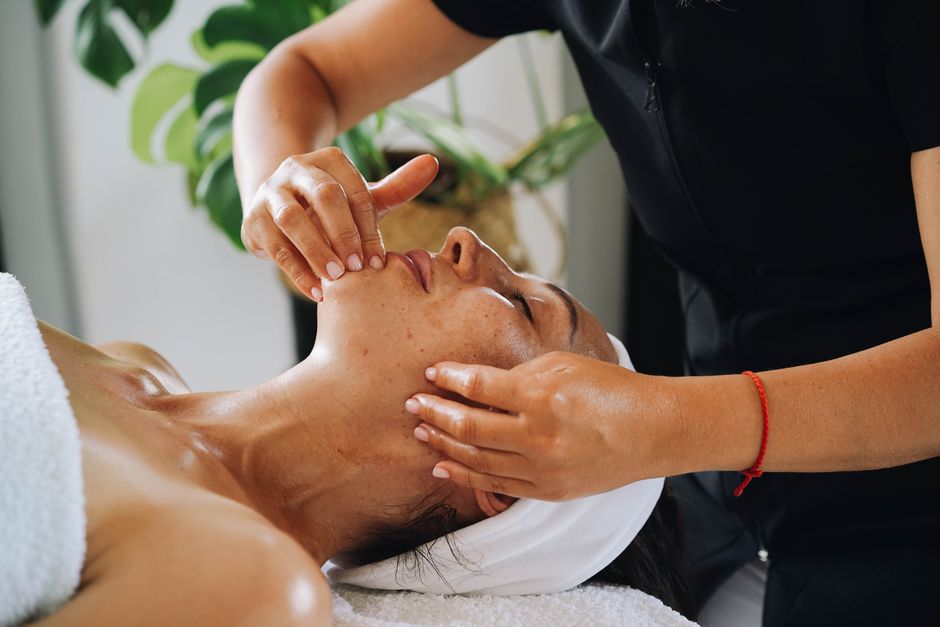
In your 30s, your skin changes. Cell turnover slows, collagen production dips, and you may notice the first fine lines or dullness. For most people, getting a professional facial once a month is the standard recommendation. This aligns with your skin’s natural renewal cycle, which takes about 28 days in your 30s, though that timeline gradually lengthens as you age. A monthly facial allows an esthetician to work with your skin at the right stage of its cycle, rather than fighting against it.
Why Monthly Is the Common Recommendation
Your skin replaces its top layer roughly every 28 days in your 30s. A facial is designed to remove dead skin cells, clear pores, and deliver active ingredients deeper into the skin. If you wait longer than a month between facials, your skin has completed a full cycle without professional exfoliation or treatment. That means congestion and dullness have time to build up again.
Monthly facials also let your esthetician track how your skin responds to products and treatments over time. They can adjust your home care routine based on what they see. This consistency is more valuable than occasional intensive treatments.
Some people need more or less frequent facials. Your skin type, lifestyle, and budget all play a role. The monthly guideline is a starting point, not a strict rule.
How Your Skin Changes in Your 30s
In your 20s, your skin bounces back quickly. Breakouts heal fast, and fine lines are rare. In your 30s, several things shift at once.
Collagen production begins to slow. Collagen is the protein that keeps skin firm and plump. The decline starts in your mid-20s and becomes more noticeable in your 30s. Less collagen means fine lines may start to appear, especially around the eyes and mouth.
Cell turnover also slows. Dead skin cells accumulate on the surface instead of shedding quickly. This makes skin look dull and can make pores appear larger. Exfoliation, whether professional or at home, becomes more important.
Hormonal changes can affect skin too. Many women in their 30s notice changes in oil production, breakouts, or dryness related to pregnancy, postpartum, or perimenopause. These shifts can change what your skin needs from a facial.
What a Facial Actually Does
A professional facial typically includes several steps. Cleansing removes makeup and surface dirt. Exfoliation removes dead skin cells, either with gentle physical scrubs or chemical exfoliants like alpha-hydroxy acids. Extractions clear clogged pores, which is something you cannot do effectively at home. A mask delivers targeted ingredients, and moisturizer and sunscreen finish the treatment.
Different facials serve different purposes. A hydrating facial focuses on moisture. A deep-cleansing facial focuses on extractions and congestion. An anti-aging facial may include ingredients like vitamin C, retinol, or peptides. Some facials use devices like microdermabrasion, chemical peels, or LED light therapy.
The value of a facial is not just the treatment itself. It is the professional assessment. An esthetician can see your skin up close, under good lighting, and identify issues you may have missed. They can recommend products suited to your specific skin type and concerns.





Signs You Need Facials More Often
Some people benefit from facials every two to three weeks for a period of time. This is more common when you are addressing a specific issue, not maintaining results.
If you have acne that is not responding to home care, more frequent facials may help. Professional extractions remove the material inside clogged pores, which can reduce breakouts. Some dermatologists and estheticians recommend biweekly treatments during an active acne flare.
If you are preparing for a major event, a series of treatments leading up to it may give better results than a single facial. This is common before weddings or other important occasions. A course of chemical peels or microdermabrasion over several weeks can improve skin texture more noticeably than one treatment.
If your skin is congested or dull, a few closely spaced treatments can jump-start improvement. After that, you can usually drop back to monthly maintenance.
Signs You Can Wait Longer Between Facials
Not everyone needs monthly facials. If your skin is clear, well-hydrated, and you have a solid home care routine, every six to eight weeks may be enough.
People with sensitive skin sometimes need longer gaps between treatments. Aggressive exfoliation or extractions can irritate sensitive skin. If your skin feels tight, red, or stings after a facial, you may need to space them out more or request gentler treatments.
If you have very dry or mature skin, you may still benefit from monthly facials, but the type of facial matters more than the frequency. A hydrating facial can be done monthly. A deep exfoliating treatment may only be appropriate every few months.
Your esthetician should be able to recommend a schedule based on how your skin responds. If they do not ask about your skin between visits or adjust your plan, consider finding someone who does.
How Often Should You Get A Facial In Your 30S Based on Skin Type
Skin type changes the ideal frequency. Oily and acne-prone skin often tolerates and benefits from monthly facials, sometimes more. The extractions and exfoliation help keep pores clear.
Dry skin may do better with monthly hydrating facials, but the focus should be on moisture, not aggressive exfoliation. Dry skin can become irritated if treated too aggressively.
Combination skin, with an oily T-zone and dry cheeks, usually does well with monthly facials that balance both needs. Your esthetician can tailor the treatment to your specific pattern.
Sensitive skin is the exception. Sensitive skin may need six to eight weeks between facials, and the facial itself should be gentle. If you have rosacea or eczema, talk to your dermatologist before getting regular facials. Some treatments can trigger flares.
What to Look for in a Facial Provider
The skill of your esthetician matters more than the frequency of your facials. A good esthetician will ask about your medical history, medications, and skin concerns before treating you. They should explain what they are doing and why.
Ask about the products they use. Some products are higher quality than others. Your esthetician should be able to tell you what is in the products and why they chose them for your skin.
Be cautious about facials that promise dramatic results in one session. A single facial can improve your skin’s appearance, but it cannot reverse aging or permanently change your skin. Realistic expectations are important.
If you are pregnant or breastfeeding, tell your esthetician. Some ingredients used in facials, like certain forms of vitamin A, are not recommended during pregnancy. Your esthetician should adjust the treatment accordingly.
At-Home Care Between Facials
Your results from a facial depend heavily on what you do at home between visits. A monthly facial cannot compensate for a poor daily routine.
Cleanse your face twice a day. Use a moisturizer appropriate for your skin type. Apply sunscreen every morning, even on cloudy days. Sun damage is the leading cause of premature skin aging, and no facial can undo it.
Consider adding a gentle exfoliant to your routine, such as a product with salicylic acid or glycolic acid. Start with two to three times per week and adjust based on how your skin responds. Over-exfoliating can damage your skin barrier.
If your esthetician recommends specific products, use them consistently. Products work over time, not overnight. Give any new product at least four to six weeks before judging whether it works.
The Limits of Facials
Facials are not a medical treatment. They cannot treat conditions like severe acne, rosacea, or eczema. If you have a skin condition, see a dermatologist first. Some estheticians work alongside dermatologists, but they are not medical providers.
Facials also cannot replace sunscreen, a healthy diet, adequate sleep, or hydration. These factors affect your skin more than any professional treatment. A facial is a complement to good habits, not a substitute for them.
Be wary of facials that claim to “detoxify” your skin or remove toxins. Your skin does not store toxins in a way that a facial can remove. This is marketing language, not science.
Frequently Asked Questions
How often should you get a facial in your 30s?
Most people in their 30s benefit from a facial once a month. This matches your skin’s natural renewal cycle of about 28 days.
Can you get a facial every two weeks?
Yes, but usually only for a short period to address a specific issue like acne or a major event. Once the issue improves, monthly maintenance is typically sufficient.
Are facials worth the money in your 30s?
They can be if you have specific concerns like congestion, dullness, or fine lines. The professional assessment and extractions are difficult to replicate at home.
What type of facial is best for your 30s?
It depends on your skin type and concerns. Hydrating facials help dry skin, deep-cleansing facials help congestion, and anti-aging facials with ingredients like vitamin C or peptides target fine lines.
