
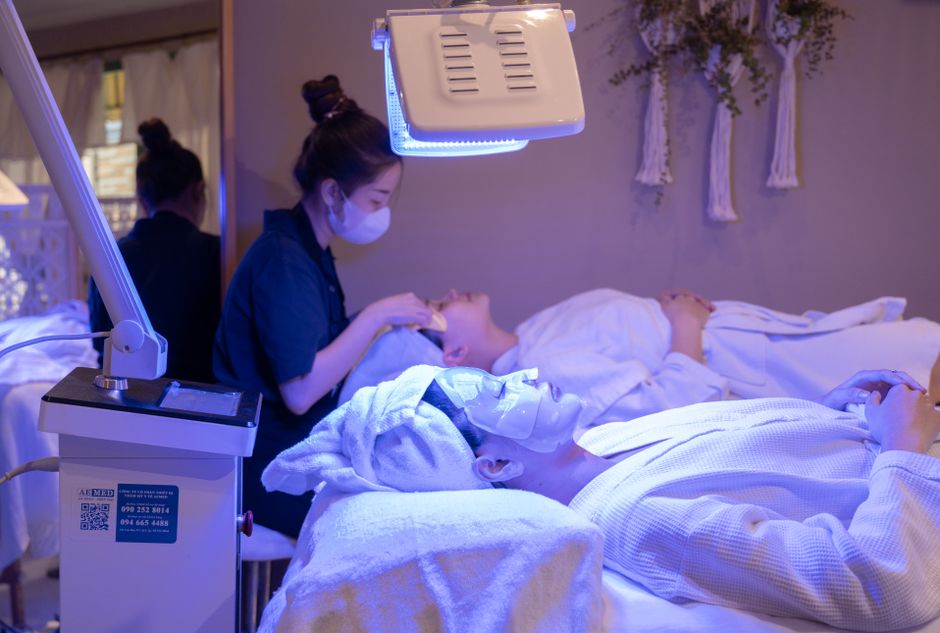
Red light therapy is popular right now, and for good reason. People use it for skin health, muscle recovery, and joint pain. But the most common question is a practical one: how often should you do it to see real results? The straightforward answer is that most clinical studies use sessions three to five times per week, lasting between 3 and 20 minutes per session, depending on the device and the body part being treated. Consistency matters more than marathon sessions. Using a device for a short time on a regular schedule produces better outcomes than using it for an hour once a month.
How Often Should You Do Red Light Therapy For Results?
For most goals, the evidence points to a sweet spot of three to five sessions per week. This frequency appears in a wide range of clinical trials for skin rejuvenation, muscle recovery, and pain management. Daily use is not harmful for most people, but it does not appear to speed up results beyond the three-to-five-day schedule. The body needs time to process the cellular changes that light triggers. Giving yourself a day off here and there is completely fine.
If you are using red light therapy for general wellness or skin health, three sessions per week is a reasonable starting point. If you are using it for muscle recovery after training, you may benefit from using it on the days you exercise. The key is to pick a schedule and stick with it for at least eight to twelve weeks before judging the results. This is not an overnight treatment.
What Does Red Light Therapy Actually Do?
Red light therapy works at the cellular level. The light, typically in the 630 to 660 nanometer range for red and 810 to 850 nanometers for near-infrared, is absorbed by mitochondria inside your cells. Mitochondria are the energy-producing parts of the cell. The light energy helps them produce more adenosine triphosphate, or ATP, which is the fuel your cells use to repair and regenerate.
This process is called photobiomodulation. It is not heat. The light does not burn or damage tissue. Instead, it stimulates natural repair mechanisms. When your cells have more energy, they can do their jobs better. Skin cells produce more collagen. Muscle cells recover faster. Inflamed tissue calms down. This is why the therapy is studied for such a wide range of conditions, from wrinkles to tendonitis.
How Many Minutes Per Session Do You Need?
Session length depends on the device you own. A high-powered panel delivers more energy per minute than a small handheld wand. Most device manufacturers include a recommended treatment time in the instructions. In clinical research, typical treatment times range from 3 to 20 minutes per area.
For a full-body panel, sessions of 10 to 20 minutes are common. For a small handheld device targeting the face or a single joint, 3 to 10 minutes per area is typical. The goal is to deliver an adequate dose of light energy, measured in joules per square centimeter. Too little time means you may not get enough energy. Too much time does not cause harm, but it also does not give you extra benefits. The response plateaus.
If you are unsure, start with the middle of the recommended range for your device. You can adjust based on how your skin and body respond. Some people notice mild skin sensitivity if they start with long sessions. Starting shorter and building up over the first week is a sensible approach.




How Long Until You See Results?
Results are not immediate. This is one of the most important things to understand before you buy a device. Red light therapy requires cumulative exposure. The cellular changes happen gradually, and visible results take weeks.
For skin conditions like fine lines and texture, most studies show noticeable improvement after eight to twelve weeks of consistent use. Some people report a glow or improved skin tone earlier, but structural changes like collagen production take time. For muscle recovery and joint pain, some people feel a difference within a few sessions. The anti-inflammatory effects can be relatively quick. But for chronic conditions, the best results appear after several weeks of regular treatment.
Do not judge the therapy by the first week. Set a reminder on your calendar for ten weeks from your start date. That is the point where you can honestly assess whether it is working for you.
Can You Do Red Light Therapy Every Day?
Yes, daily use is generally safe. No major safety concerns have been documented for daily exposure at standard therapeutic doses. The light is not ionizing radiation. It does not damage DNA the way ultraviolet light does. That is why red light therapy is considered safe for repeated use.
However, daily use is not necessary. The evidence does not show that seven days per week works better than five days per week. Some experts suggest that giving cells a rest day allows the repair processes to complete. If daily use fits your routine and you enjoy it, there is no strong reason to stop. If you prefer a simpler schedule, three to five days per week is sufficient.
Does the Type of Device Change the Frequency?
Yes. The device you use directly affects how long and how often you should treat. A clinical-grade panel with high irradiance delivers more energy in less time. A low-powered mask or wand requires longer sessions to deliver the same dose.
There is no universal standard across all consumer devices. This is a real limitation in the industry. Some devices are well-studied and deliver a documented dose. Others are poorly designed and may not deliver enough energy to matter. If a device seems too cheap to be effective, it probably is. Look for devices that list their irradiance, or power density, in milliwatts per square centimeter. This number tells you how much energy the device delivers to your skin.
If you own a low-powered device, you may need to use it more often or for longer sessions. If you own a high-powered panel, shorter sessions are fine. Follow the manufacturer’s instructions, but understand that these instructions vary widely in quality.
Are There Any Risks or Side Effects?
Red light therapy is well tolerated by most people. The most common side effect is temporary skin redness, which usually fades within a few hours. Some people report eye strain or headaches if they look directly at the light. Always use the eye protection that comes with your device.
Certain medications can make your skin more sensitive to light. If you take a photosensitizing medication, talk to your doctor before starting red light therapy. This includes some antibiotics, acne medications, and diuretics. The risk is low, but it is worth a quick conversation with your healthcare provider.
Pregnant women should also consult their doctor before starting any new therapy, including red light. No large studies have confirmed safety during pregnancy, so caution is appropriate.
What Happens If You Stop Using It?
The benefits of red light therapy are not permanent. Your cells continue to age and accumulate damage. When you stop treatment, the improvements gradually fade. Skin benefits like collagen production will slowly revert to your baseline. Muscle recovery benefits will diminish as well.
Most people do not lose all their progress overnight. The effects fade over weeks or months. If you take a break, you can restart the schedule and regain the benefits. There is no evidence of a permanent negative effect from stopping.
Some people choose to use red light therapy in maintenance mode after seeing initial results. This might mean reducing from five sessions per week to two or three. This approach is reasonable, though no clinical trials have established an exact maintenance dose. Use your own experience as a guide.
Frequently Asked Questions
How many minutes should I use red light therapy per session?
Most devices recommend 3 to 20 minutes per treatment area, depending on the power of the device. Check your manufacturer’s instructions for the specific dose.
Can red light therapy be done daily?
Yes, daily use is safe for most people, but three to five sessions per week is sufficient for results. There is no evidence that daily use accelerates outcomes.
How long does it take to see results from red light therapy?
Skin improvements typically appear after eight to twelve weeks of consistent use. Some pain and muscle recovery benefits may be noticeable within the first few sessions.
Can I use red light therapy while pregnant?
No large studies have confirmed safety during pregnancy, so consult your doctor before using it. Caution is appropriate because evidence is limited.
