
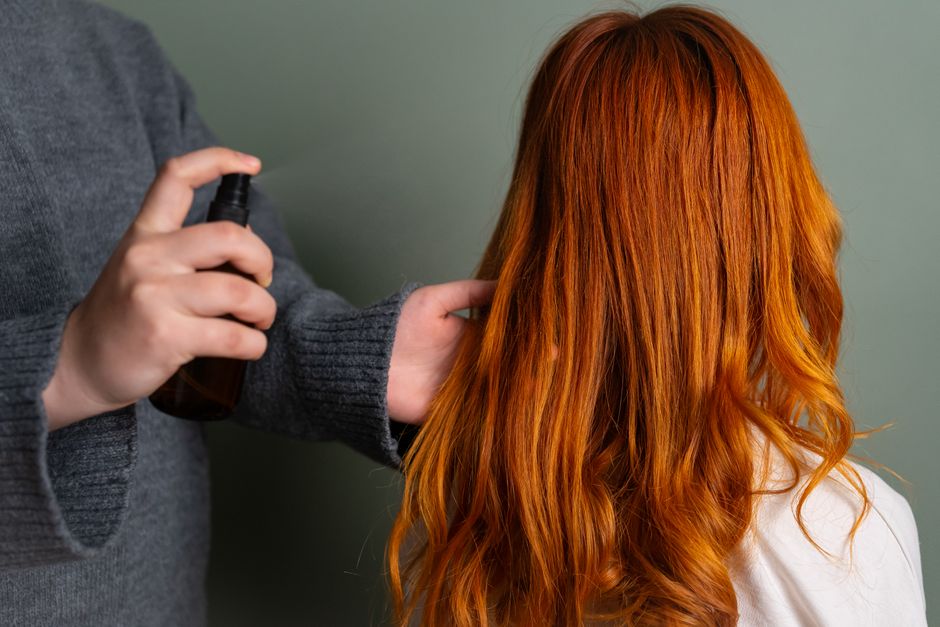
There is no single rule for how often you should condition your hair. For most people, conditioning after every wash is a reasonable starting point, but the right frequency depends on your hair type, scalp condition, and how your hair responds to the products you use. People with fine or oily hair often do well with less frequent conditioning, while those with dry, coarse, or chemically treated hair may need it every time they wash.
What Does Conditioner Actually Do?
Conditioner is not a cosmetic extra. It changes the physical surface of your hair in ways that matter for how the hair feels and behaves.
Hair is made mostly of a protein called keratin. Each strand has an outer layer of overlapping scales called the cuticle. When hair is wet, the cuticle can lift slightly. Washing with shampoo removes oils and can leave the cuticle rougher, which makes hair feel dry and tangle more easily.
Conditioners contain ingredients that coat the hair shaft, smooth the cuticle, and reduce friction between strands. Some ingredients, like certain silicones and fatty alcohols, sit on the surface. Others, like some proteins and oils, can temporarily fill small gaps in the cuticle. The result is hair that feels softer, combs more easily, and is less likely to break during styling.
Conditioner does not repair hair permanently. Hair is not living tissue once it leaves the follicle. Damage to the cuticle is not reversed by any product. What conditioner does is improve the surface condition temporarily, which reduces the mechanical stress that leads to breakage.
How Often Should You Condition Your Hair Based on Hair Type?
The frequency that works best varies more by hair type and scalp than by any universal schedule.
- Fine or thin hair: Conditioning after every wash can weigh hair down. Many people with fine hair do better conditioning only the ends, or conditioning every other wash.
- Medium hair: Conditioning after each wash is usually fine and often helpful.
- Thick, coarse, or curly hair: These hair types tend to be drier and more prone to tangling. Conditioning after every wash is often necessary, and some people benefit from using a leave-in conditioner between washes.
- Chemically treated hair: Coloring, relaxing, and perming can make the cuticle rougher and more porous. This type of hair often needs more frequent conditioning, sometimes with a deeper conditioning treatment.
- Oily scalp: If your scalp produces a lot of oil, you may need to wash more often. Conditioning just the mid-lengths and ends, avoiding the scalp, can help prevent the roots from looking greasy.
One detail that gets overlooked: conditioner is meant for the hair, not the scalp. Applying it to the roots can make the scalp look oily faster and may contribute to buildup. For most people, applying conditioner from the mid-shaft to the ends is enough.
Does Everyone Need to Condition?
No. Some people with short hair, very oily scalps, or hair that is not prone to tangling can skip conditioner without obvious problems.
People who use a two-in-one shampoo and conditioner are getting some conditioning benefit already, though usually less than a separate conditioner provides.
There is also a group of people who find that regular conditioner makes their hair limp or greasy. For them, a lighter product or less frequent use may work better. This is not a sign that conditioner is harmful. It usually means the product or the application method does not match their hair type.
What is not supported is the idea that everyone must condition every single day, or that skipping conditioner causes permanent damage. Hair that is not conditioned may feel rougher and tangle more, but it does not lose its structure from lack of conditioner alone.





Can You Condition Your Hair Too Often?
Yes, over-conditioning is possible, and it usually shows up as hair that feels limp, greasy, or coated.
When conditioner builds up on the hair, it can attract dirt and make hair look dull. Some people also develop product buildup that makes hair harder to manage. This is more likely when heavy conditioners are applied to the scalp or used in large amounts.
If your hair feels weighed down after conditioning, the fix is usually simple: use less product, apply it only to the ends, or switch to a lighter formula. Washing with a clarifying shampoo occasionally can remove buildup, though clarifying shampoos can be drying and are not meant for frequent use.
There is no evidence that conditioning too often causes hair loss or scalp disease. The main downside is cosmetic: hair that does not look or feel the way you want.
Should You Condition Before or After Shampooing?
For most people, conditioner goes after shampoo. Shampoo cleans the hair and scalp. Conditioner then smooths the cuticle and adds slip. Applying conditioner first and shampooing after would largely remove the conditioner.
There is a method sometimes called reverse washing, where conditioner is applied before shampoo. Some people with fine hair find this leaves their hair less weighed down while still reducing tangles. The evidence for this being better than standard conditioning is limited. It is a personal preference rather than a proven method.
What matters more than order is where the product goes. Shampoo belongs on the scalp. Conditioner belongs on the lengths and ends.
How Do Leave-In and Deep Conditioners Fit In?
Leave-in conditioners and deep conditioning masks serve different purposes than everyday rinse-out conditioner.
Leave-in conditioners are lighter and stay on the hair. They can help with detangling and add moisture throughout the day. They are often useful for curly, coarse, or dry hair, and for hair that tangles easily between washes.
Deep conditioning masks are heavier and are usually left on for several minutes before rinsing. They are often used weekly or less often, depending on hair type. People with very dry or damaged hair may use them more frequently. People with fine or oily hair may find them too heavy.
There is no standard schedule for deep conditioning that applies to everyone. The frequency that works depends on how your hair responds. If your hair feels soft and manageable without being limp, your routine is probably working. If it feels greasy or coated, you are likely using too much or too often.
What About Co-Washing?
Co-washing means washing hair with conditioner instead of shampoo. It is popular among people with curly or dry hair because it cleans gently without stripping oils.
Co-washing can work well for some hair types, but it is not for everyone. People with oily scalps or certain scalp conditions may find that co-washing does not clean the scalp adequately. Over time, some people develop buildup or scalp irritation.
If you co-wash, pay attention to your scalp. If it feels itchy, flaky, or greasy, a traditional shampoo may be needed at least occasionally. There is no rule that says you must choose one method forever.
How to Tell If Your Conditioning Routine Is Working
The best sign that your routine is right is how your hair behaves.
- Hair feels soft but not limp.
- It combs through with less resistance.
- It does not look greasy at the roots shortly after washing.
- It does not feel dry or brittle at the ends.
- Breakage during combing or styling seems manageable.
If your hair feels coated, heavy, or greasy, you are likely using too much conditioner or applying it too close to the scalp. If it feels dry, rough, or tangles easily, you may need more frequent conditioning or a richer product.
Hair changes over time. Hormonal shifts, aging, medications, and chemical treatments can all affect how your hair responds to products. A routine that worked two years ago may not work now. Adjusting based on what you observe is more useful than following a fixed rule.
Frequently Asked Questions
How often should I condition my hair if it is fine?
Many people with fine hair do best conditioning every other wash or applying conditioner only to the ends. Conditioning the scalp can weigh fine hair down and make it look greasy faster.
Can conditioning every day damage my hair?
No evidence shows that daily conditioning damages hair. The main risk is cosmetic buildup that makes hair look limp or greasy, which usually resolves by using less product or a lighter formula.
Should I condition my scalp?
For most people, conditioner should be applied from the mid-lengths to the ends, not the scalp. Applying it to the scalp can make roots look oily and contribute to buildup.
Is leave-in conditioner a substitute for regular conditioner?
Leave-in conditioner can replace rinse-out conditioner for some hair types, especially fine or oily hair. For dry or coarse hair, using both may work better, depending on how your hair responds.
