
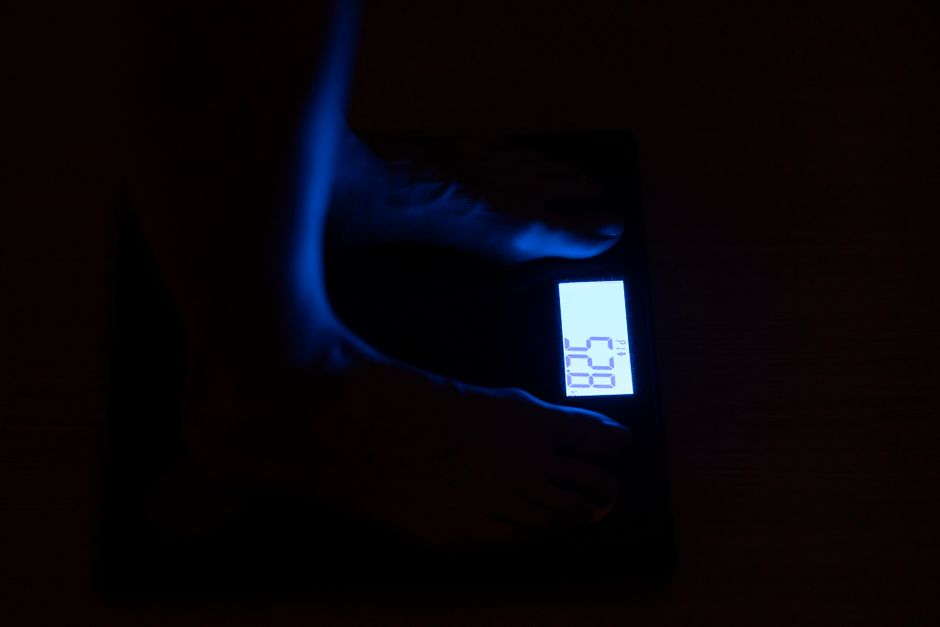
Stepping on the scale is one of the most common—and most confusing—health habits. The honest answer is that daily weighing is generally more accurate for tracking real trends, while weekly weighing is better for emotional stability. Daily weigh-ins capture your body’s natural fluid fluctuations, which can be stressful if you don’t expect them. Weekly weigh-ins smooth out those daily swings but take longer to show a genuine change. Neither method is wrong, but your choice should depend on your goals and your relationship with the number on the screen.
What Does the Research Say About Weighing Frequency?
Studies on self-monitoring consistently show that people who weigh themselves more often tend to have better weight management outcomes. This is especially true for people actively trying to lose weight or prevent weight regain. The logic is simple: frequent feedback creates accountability. When you see the number on the scale, you make different choices about food and activity that day.
Research published in the Journal of the Academy of Nutrition and Dietetics found that frequent self-weighing was linked to greater weight loss over a two-year period. Some research suggests that daily weighing is most effective for weight loss, while weekly weighing works better for weight maintenance. The key difference is not the scale itself, but the consistency of the habit.
Weighing daily gives you more data points. More data points mean you can see a real trend faster. If you only weigh once a week, you might catch yourself on a “high” day after a salty meal and think you gained three pounds overnight. That number is not fat gain—it is water weight—but it can still derail your motivation.
Why Your Weight Changes From Day to Day
Your body weight can swing by several pounds within a single day. This is normal and not a sign of fat gain or loss. The main drivers are water retention, food intake, and waste elimination. A single pound of fat is roughly 3,500 calories, so to gain one pound of actual fat overnight would require eating thousands of calories more than you burned.
Water retention is the biggest culprit behind daily fluctuations. High sodium intake, high carbohydrate intake, and hormonal changes all cause your body to hold onto water. For women, the menstrual cycle can cause significant fluid retention, often adding two to five pounds temporarily. Alcohol and intense exercise can also cause short-term shifts in hydration levels.
Even the time of day matters. Most people weigh one to three pounds less in the morning after an overnight fast than they do in the evening. This is why the standard advice is to weigh at the same time every day, preferably in the morning after using the bathroom and before eating or drinking anything.
How Often Should I Weigh Myself Daily Vs Weekly: The Practical Answer
For most people, daily weighing is the better choice if you can handle the fluctuation. The reason is that daily data allows you to calculate a weekly average. That average is far more meaningful than any single number on any single day. A seven-day average smooths out the noise of water retention and gives you a true picture of your weight trend.
If you weigh daily, do not react to the individual numbers. Instead, look at the trend over the past seven days. If your weekly average is moving down, you are losing weight. If it is moving up, you are gaining. This approach turns the scale from a source of anxiety into a useful tool.
Weekly weighing is a reasonable alternative for people who find daily weigh-ins stressful. The downside is that one weekly reading is a small sample size. You might catch a high-water day and think you gained weight when you actually lost fat. If you choose weekly, pick a consistent day and time, such as Wednesday morning, and do not compare that number to your daily numbers from the previous week.





Who Should Weigh Daily and Who Should Weigh Weekly?
Daily weighing works best for people who are actively losing weight, tracking a structured program, or trying to prevent weight regain after a loss. The frequent feedback keeps you honest and helps you catch small gains before they become big ones. If you are the type of person who likes data and can separate emotion from the number, daily is your method.
Weekly weighing works better for people with a history of disordered eating, anxiety around food, or a tendency to obsess over numbers. If stepping on the scale ruins your day when the number goes up, daily weigh-ins will not help you. The scale is a tool, not a judgment. If it causes more harm than good, use it less often.
There is also a middle path. Some people weigh daily but only record the number once a week. This gives you the accountability of daily checking without the emotional weight of a daily record. It is a compromise that works well for many people.
What About Not Weighing at All?
Some health experts argue that the scale is not the best measure of health. It cannot distinguish between fat, muscle, and water. Two people at the same weight can have completely different body compositions. One might be athletic with high muscle mass, while the other might have excess body fat.
If you are strength training and building muscle, the scale may stay flat or even go up while your waistline shrinks. Muscle is denser than fat, so it takes up less space for the same weight. In this case, relying on how your clothes fit, your waist measurement, or your progress photos may be more useful than the scale.
For people with a history of eating disorders, avoiding the scale entirely is often the healthiest choice. The number can trigger unhealthy behaviors and obsessive thoughts. If that sounds like you, talk to a healthcare provider about whether weighing yourself is a good idea at all.
How to Weigh Yourself Correctly
How you weigh yourself matters as much as how often. The goal is to control as many variables as possible so the number reflects actual changes, not random differences. Follow the same routine every time you step on the scale.
- Weigh in the morning, after using the bathroom, before eating or drinking.
- Weigh naked or in the same clothing each time.
- Place the scale on a hard, flat surface. Carpet can throw off the reading.
- Stand still with your weight evenly distributed on both feet.
- Use the same scale every time. Different scales can give different readings.
Even with perfect technique, the scale will still fluctuate. That is why the trend matters more than any single reading. If you weigh daily, focus on the seven-day average. If you weigh weekly, track the number over several weeks to see the direction.
What Do the Numbers Actually Mean?
Weight is one data point, not the whole story. A healthy weight range depends on your height, age, sex, and body composition. The Body Mass Index (BMI) is a rough screening tool that uses height and weight to estimate body fat. A BMI of 18.5 to 24.9 is considered normal, 25 to 29.9 is overweight, and 30 or above is obese.
BMI has limitations. It does not account for muscle mass, bone density, or where fat is distributed. A muscular athlete can have a high BMI with low body fat. A person with a normal BMI can still have excess belly fat, which is a risk factor for heart disease and diabetes. Waist circumference is often a better indicator of health risk than weight alone.
For most men, a waist circumference above 40 inches is considered high risk. For most women, the threshold is 35 inches. These measurements, combined with weight trends, give a fuller picture of health than the scale alone.
Frequently Asked Questions
Is it better to weigh myself every day or once a week?
Daily weighing is generally better for tracking real trends because you can calculate a weekly average that smooths out daily water fluctuations. Weekly weighing is fine for people who find daily weigh-ins stressful, but one reading per week is a smaller sample size.
Why does my weight go up and down even when I eat well?
Daily weight changes are mostly water retention, not fat gain. Sodium, carbohydrates, hormones, and even the time of day can shift your weight by several pounds.
When is the best time of day to weigh myself?
Weigh yourself in the morning after using the bathroom and before eating or drinking anything. This gives you the most consistent reading from day to day.
Should I stop weighing myself if the number makes me anxious?
If the scale causes significant stress or triggers unhealthy behaviors, taking a break or stopping entirely is reasonable. The scale is a tool, and it only works if it helps you stay on track.
