
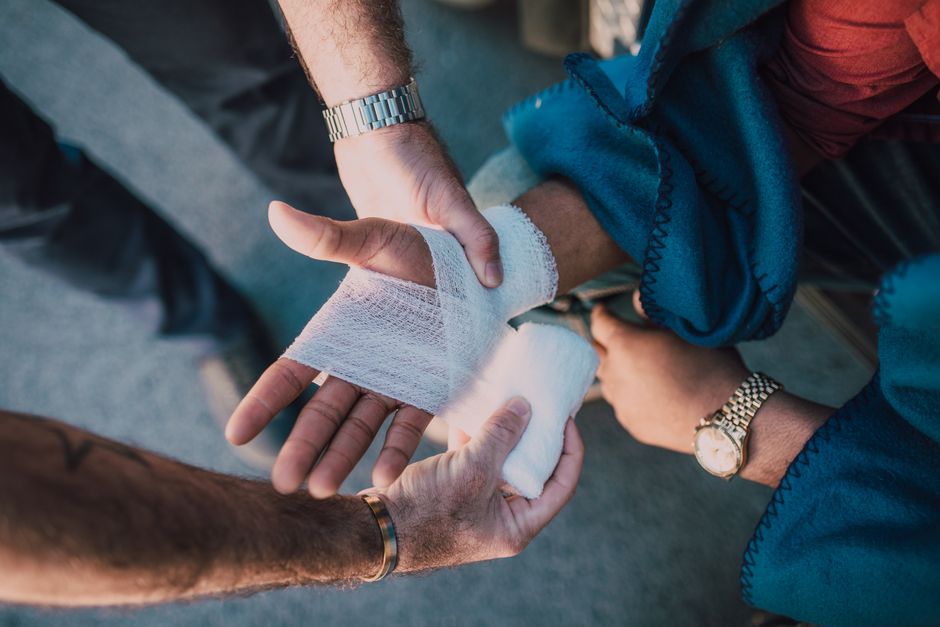
Most minor cuts and scrapes need a fresh bandage once a day. That is the standard advice for a clean, dry wound. You should change it sooner if the bandage gets wet, dirty, or blood soaks through. Leaving a bandage on too long can trap moisture and bacteria, which slows healing. The goal is a clean, moist environment, not a sealed-off one.
How Often Should I Change A Bandage for a Minor Cut?
For a simple paper cut or small scrape, once a day is enough. You remove the old bandage, clean the area gently with soap and water, pat it dry, and put on a new one. This gives you a chance to check the wound for signs of infection like redness or swelling. Research shows that keeping a wound covered for the first 24 to 48 hours helps it heal faster than leaving it open to air. After that, daily changes are the standard recommendation from wound care specialists. If the wound is in a spot that gets dirty easily, like a finger, you might want to change it twice a day. Trust your eyes. If the bandage looks grimy or feels loose, swap it out.
What About Surgical Wounds or Stitches?
Surgical wounds follow a different rule. Your doctor or surgeon will give you specific instructions based on the type of surgery and the dressing they used. For most surgical wounds with stitches or staples, you should not change the bandage for the first 24 to 48 hours unless it gets wet or bleeds through. After that, you typically change it once a day or every other day until the stitches come out. Current research suggests that keeping surgical dressings in place longer than 48 hours may actually reduce infection risk, but only if the dressing is designed for extended wear. Some waterproof surgical dressings can stay on for up to seven days. Do not guess. If you had surgery, ask your care team for a written schedule. If you do not remember what they said, call and ask. It matters more than you think.
When Should You Change a Bandage More Often?
Some situations demand more frequent changes. Change the bandage immediately if it gets wet, even from a shower. A wet bandage creates a breeding ground for bacteria. You should also change it if blood or fluid soaks through the dressing. This is a sign that the wound is still oozing, and the old bandage is no longer clean. For wounds that drain a lot of fluid, you might need to change the bandage two to three times a day. Wounds on the hands or feet also need more attention because those areas collect dirt and bacteria throughout the day. If you work with food, chemicals, or soil, change the bandage after your shift. One non-obvious point: if the bandage starts to smell, change it immediately. A bad smell is one of the earliest signs of infection, and leaving the bandage on gives bacteria more time to multiply.
| Wound Type | Change Frequency | Key Reason |
|---|---|---|
| Minor cut or scrape | Once daily | Check for infection, keep clean |
| Surgical wound (first 48 hours) | Do not change unless instructed | Protect sterile environment |
| Wound with heavy drainage | 2-3 times daily | Prevent moisture buildup |
| Wound on hand or foot | 1-2 times daily | Higher exposure to dirt |
| Wet or soiled bandage | Immediately | Prevent bacterial growth |





Does Leaving a Bandage On Too Long Cause Problems?
Yes. Leaving a bandage on for more than 24 hours when it should have been changed can cause maceration. Maceration is when the skin around the wound becomes white, wrinkled, and soft from too much moisture. This weakens the skin barrier and makes infection more likely. Some people report that they leave bandages on for days because the wound looks dry and they do not want to disturb it. That is a mistake. Even dry-looking wounds need air exchange and inspection. Another issue is adhesive irritation. The sticky part of the bandage can cause a rash or skin breakdown if left on too long. This is especially common in older adults or people with sensitive skin. If you see redness in the shape of the adhesive, take the bandage off and give the skin a break for a few hours before applying a new one. As of 2026, wound care guidelines still strongly recommend daily inspection and bandage changes for most common wounds.
What Is the Right Way to Change a Bandage?
The process matters as much as the timing. Start by washing your hands with soap and water. Dry them on a clean towel. Gently peel the old bandage off. If it sticks to the wound, soak it with warm water for a few minutes to loosen it. Do not yank it off. That pulls off new skin cells and sets healing back. Once the bandage is off, clean the wound with mild soap and cool water. Use a clean cloth or gauze. Pat the area dry with a fresh towel or let it air dry for a minute. Do not rub. Apply a thin layer of antibiotic ointment if you want, but plain petroleum jelly works just as well for keeping the wound moist. Some studies suggest that antibiotic ointments do not significantly reduce infection risk for minor cuts and may cause allergic reactions in some people. Place the new bandage so the pad covers the entire wound. Make sure the adhesive sits on dry skin. Press the edges down firmly. If the wound is on a joint, like a knuckle or elbow, use a flexible fabric bandage that moves with you. Change the bandage at the same time each day so it becomes a habit. Right after your morning shower is a good time because the wound is already clean.
What About Wounds That Won’t Stop Bleeding?
If a wound keeps bleeding through bandages, that is a sign something is wrong. A small cut should stop bleeding within 10 to 15 minutes with direct pressure. If it does not, apply firm pressure with a clean cloth for a full 15 minutes without lifting the cloth to check. If blood soaks through, add another cloth on top. Do not remove the first one. If bleeding continues after 15 minutes of steady pressure, you need medical attention. The same goes for a wound that starts bleeding again after it had stopped. This can mean a blood vessel was not fully sealed. Do not keep changing bandages hoping it will stop. Get it checked. For people on blood thinners like warfarin or apixaban, even small cuts can bleed longer than expected. Keep extra gauze on hand and know when to call a doctor.
Common Misconceptions About Bandage Changes
One widespread myth is that wounds need to “breathe” and heal faster when left uncovered. This is not true for most wounds. Research shows that a covered wound heals faster than an uncovered one because the moist environment supports cell growth. Another myth is that you should change a bandage every time you look at it. Over-changing disturbs the healing tissue and introduces bacteria each time you remove the dressing. Stick to the schedule unless there is a clear reason to change it early. Some people also believe that a bandage should be tight to stop bleeding. A bandage should be snug but not tight. If your fingers or toes turn blue or feel numb, the bandage is too tight. Remove it and reapply more loosely. A tight bandage can cut off circulation and cause more damage than the wound itself. If you hear someone say “air it out,” that advice is outdated. Modern wound care says keep it covered and moist.
Frequently Asked Questions
Can I shower with a bandage on?
Only if the bandage is waterproof. Regular bandages will soak through and need to be changed immediately after a shower.
How do I know if a wound is infected?
Look for increasing redness, warmth, swelling, or pus that is yellow or green. A fever or red streaks spreading from the wound are signs you need medical help.
Should I use hydrogen peroxide to clean a wound?
No. Hydrogen peroxide can damage healthy tissue and slow healing. Clean minor wounds with mild soap and water instead.
Can I reuse a bandage if it looks clean?
No. Once a bandage is removed, it is no longer sterile. Always use a fresh bandage from a sealed package.
