

The question of how often a man should ejaculate for prostate health is one of the most common in men’s wellness. The short answer is that more frequent ejaculation is linked to a lower risk of prostate cancer, but no official guideline prescribes a specific number. Most research points to a benefit from ejaculating at least 21 times per month, though the evidence does not support a single magic number for every man.
What Does the Research Actually Show?
The strongest evidence on this topic comes from large observational studies. These studies track large groups of men over many years and compare their ejaculation frequency to their later prostate cancer diagnosis rates.
A well-known study published in the Journal of the American Medical Association followed over 29,000 men for nearly a decade. It found that men who ejaculated 21 or more times per month had a significantly lower risk of prostate cancer than men who ejaculated 4 to 7 times per month. This was one of the first major studies to establish a clear link between ejaculation frequency and prostate health.
More recent research has supported these findings. A study from Harvard Medical School followed nearly 32,000 men and found that those who ejaculated at least 21 times per month had about a 20% lower risk of prostate cancer compared to men who ejaculated less frequently. The protective effect appeared strongest for men in their 40s and 50s.
It is important to understand what these studies can and cannot tell us. They show an association, not proof of cause and effect. Men who ejaculate frequently may also have other habits that lower their cancer risk. But the association has been consistent across multiple large studies, which strengthens the case that ejaculation itself plays a protective role.
How Does Ejaculation Protect the Prostate?
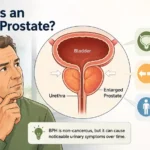
The prostate is a small gland that sits below the bladder and produces fluid that nourishes sperm. This fluid contains proteins, enzymes, and other substances that need to be regularly cleared from the gland.
One leading theory is that ejaculation flushes out potentially harmful substances that accumulate in the prostate. These include inflammatory compounds and carcinogens that can build up in prostatic fluid over time. Regular ejaculation may prevent these substances from sitting in the gland long enough to cause cellular damage.
Another theory involves the concept of prostatic stagnation. When fluid builds up in the prostate, it may create an environment that promotes inflammation and cellular changes. Ejaculation relieves this pressure and keeps the gland’s ducts clear.
There is also evidence that ejaculation affects hormone levels. Prolactin, a hormone that rises after ejaculation, may influence prostate cell activity. Some researchers believe this hormonal response could play a role in reducing cancer risk, though this remains an area of ongoing study.
Is There a Recommended Number of Times Per Month?
No medical organization has issued an official recommendation for how often a man ejaculate for prostate health. The American Cancer Society and the American Urological Association do not specify a target frequency.
The research that exists points to 21 or more ejaculations per month as the frequency associated with the lowest prostate cancer risk. This works out to roughly every day or every other day. Some studies suggest that even higher frequency may offer additional protection, but the data becomes less clear beyond this point.
For men in their 20s and 30s, the average ejaculation frequency is already around 10 to 14 times per month. For older men, frequency tends to decline with age, health status, and relationship factors. The research suggests that maintaining higher frequency through middle age may be where the protective benefit is most meaningful.
It is worth noting that the studies measured total ejaculation frequency, including both partnered sex and masturbation. Both appear to offer the same benefit. The prostate does not distinguish between the two.




Does Ejaculation Help with Existing Prostate Problems?
The research on ejaculation and prostate cancer prevention is stronger than the research on ejaculation as a treatment for existing prostate conditions. For men who already have prostate cancer or an enlarged prostate, the picture is more complex.
Some studies suggest that regular ejaculation may help with chronic prostatitis, a condition involving pelvic pain and urinary symptoms. The theory is that ejaculation helps drain the prostate and reduce pressure in the gland. Some urologists recommend regular ejaculation as part of managing this condition, though clinical trial evidence is limited.
For benign prostatic hyperplasia (BPH), the common age-related enlargement of the prostate, the evidence is mixed. Some men report temporary relief of urinary symptoms after ejaculation. Others find that ejaculation temporarily worsens symptoms like dribbling or discomfort. There is no strong evidence that ejaculation frequency changes the course of BPH.
For men diagnosed with prostate cancer, there is no evidence that ejaculation frequency affects cancer progression. Some men worry that ejaculation could spread cancer cells or worsen their condition. No research supports this concern. However, men undergoing active treatment should discuss sexual activity with their urologist, especially after surgery or radiation.
How Often Should a Man Ejaculate for Prostate Health as He Ages?
Age matters when considering ejaculation frequency and prostate health. The protective association seen in research appears strongest for men in their 40s and 50s. This is also the age range when prostate cancer risk begins to rise significantly.
For men in their 20s and 30s, prostate cancer is rare. The research does not suggest that high ejaculation frequency in young men provides meaningful long-term protection. The gland is already functioning efficiently at this age, and cancer risk is extremely low.
For men in their 60s and beyond, the research becomes less clear. Some studies suggest the protective benefit continues, while others find a weaker association. It may be that the cumulative effect of years of frequent ejaculation matters more than current frequency in older men.
Practical considerations also change with age. Erectile dysfunction, medication side effects, and chronic illness can make frequent ejaculation difficult or impossible for some men. Prostate health is not worth sacrificing mental health or relationship satisfaction over. The research describes averages across large populations, not a mandate for any individual man.
What Are the Other Health Benefits of Regular Ejaculation?
Beyond prostate health, regular ejaculation has other documented benefits. These are worth considering when thinking about frequency.
Ejaculation releases endorphins and oxytocin, which promote relaxation and improved mood. Many men report better sleep after ejaculation. There is also evidence that regular sexual activity is associated with lower blood pressure and reduced stress levels.
Some research has linked frequent ejaculation to better immune function. One study found that men who ejaculated had higher levels of immunoglobulin A, an antibody that helps fight infections. This effect was temporary, lasting only a few hours after ejaculation.
Regular ejaculation may also support cardiovascular health. Sexual activity is a form of physical exertion, and men who are sexually active tend to have better overall fitness. However, this association is likely explained by general health habits rather than ejaculation itself.
Are There Any Risks to Ejaculating Too Often?
For healthy men, there is no established risk to ejaculating frequently. The body does not have a fixed limit on ejaculation frequency. Sperm and seminal fluid are continuously produced, and the body replenishes them without difficulty.
Some men experience temporary soreness or irritation in the genital area after very frequent ejaculation. This is usually mild and resolves on its own. Dehydration is a minor concern with very high frequency, though this is easily managed with adequate fluid intake.
There is no evidence that frequent ejaculation depletes testosterone or causes hormonal problems. In fact, one study found that men who abstained from ejaculation for three weeks did not experience a rise in testosterone. The body maintains stable hormone levels regardless of ejaculation frequency.
The main risk of frequent ejaculation is psychological rather than physical. Some men may feel pressure to meet a specific frequency target based on health information like this article. This pressure can create anxiety around sex and masturbation. The health benefit of ejaculation does not justify making it a source of stress.
Frequently Asked Questions
How many times a month should a man ejaculate for prostate health?
Research links ejaculating 21 or more times per month with a lower risk of prostate cancer. This is an association found in large studies, not an official medical recommendation.
Does masturbation count for prostate health?
Yes, masturbation counts the same as partnered sex in prostate health research. Studies measured total ejaculation frequency and found the same protective association regardless of how ejaculation occurred.
Can ejaculating too much cause prostate problems?
No evidence links frequent ejaculation to prostate problems. Temporary soreness or irritation can occur with very high frequency, but this resolves on its own and does not indicate damage.
Does ejaculation help an enlarged prostate?
The evidence is mixed for benign prostatic hyperplasia. Some men report temporary relief of urinary symptoms after ejaculation, while others find symptoms worsen. No strong evidence shows ejaculation changes the course of prostate enlargement.
