
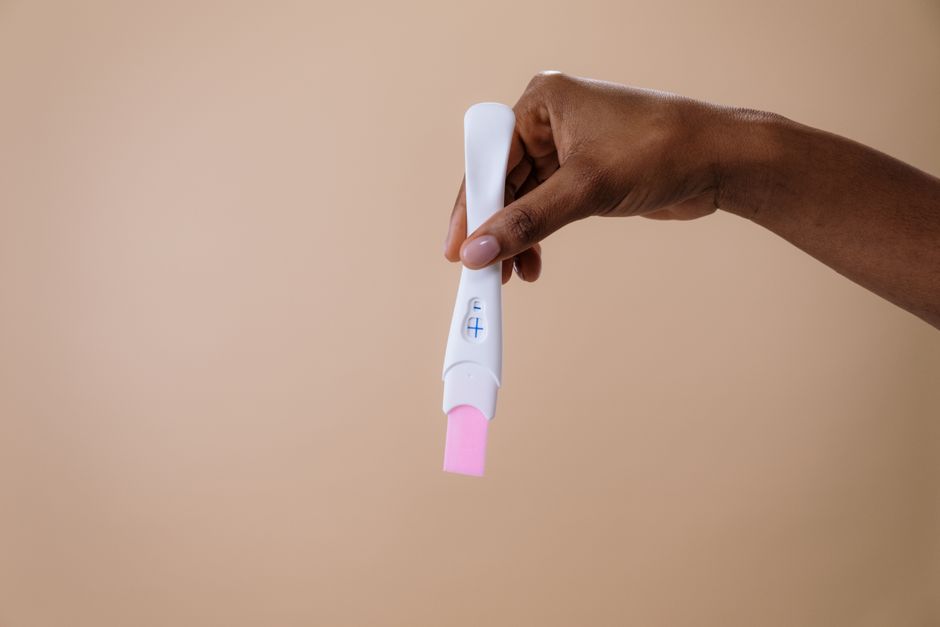
A positive pregnancy test can change your day in an instant. But before you start planning nurseries or worrying about a surprise, it helps to know exactly what that test result means. False positives on home pregnancy tests are rare, but they do happen. Most of the time, a positive result means you are pregnant, but specific medical conditions and user errors can occasionally produce a positive test when you are not.
How Often Do Pregnancy Tests Give False Positives?
True false positives are uncommon. When used correctly, most home pregnancy tests are about 99% accurate at detecting pregnancy from the day of your expected period. The rate of false positives is generally estimated at less than 1%. This means that for every 100 positive results, fewer than one is likely to be wrong. However, the accuracy depends heavily on how and when you take the test.
A false positive is different from a false negative. False negatives happen when the test says “not pregnant” but you actually are. These are much more common and usually occur because the test was taken too early. False positives are the opposite — the test detects the pregnancy hormone when no pregnancy exists. Understanding why this happens requires looking at how the test works.
What Causes a False Positive Pregnancy Test?
Home pregnancy tests detect human chorionic gonadotropin, commonly called hCG. This hormone is produced by cells that form the placenta after a fertilized egg implants in the uterus. The test uses antibodies that bind to hCG molecules in your urine, which then creates the visible line or digital reading.
The problem is that hCG has a similar structure to other hormones in your body. Some of these hormones can confuse the test antibodies. This is called cross-reactivity. When this happens, the test binds to the wrong hormone and produces a positive result. Conditions that cause elevated levels of these similar hormones include certain ovarian conditions, thyroid issues, and some rare tumors.
Another cause is a chemical pregnancy. This occurs when a fertilized egg implants briefly but stops developing. Your body produces enough hCG to trigger a positive test, but the pregnancy ends within days. Many women never even realize they were pregnant. The test was technically correct — hCG was present — but there was no viable pregnancy. Some people call this a false positive, but medically it is an early miscarriage.
Medical Conditions That Can Interfere with Results
Several medical situations can create hCG in your body without a pregnancy. These are not common, but they are important to know about.
Recent pregnancy loss is one of the most frequent causes. After a miscarriage, abortion, or childbirth, hCG levels can remain detectable in your urine for several weeks. If you test too soon after any of these events, you may get a positive result even though you are no longer pregnant. The timeline varies by individual, but hCG typically clears within two to six weeks after pregnancy ends.
Fertility treatments can also cause false positives. Medications used for fertility treatment often contain hCG. These injections, such as the trigger shot used in IVF cycles, can stay in your system for up to two weeks. Testing during this window can produce a positive result unrelated to pregnancy.
Certain rare tumors, including some ovarian and testicular cancers, can produce hCG. Pituitary gland issues can also cause low levels of hCG production in women who are not pregnant. These situations are uncommon, but they are reasons why persistent positive tests without pregnancy should be evaluated by a doctor.
User Errors That Create False Positive Results
Many “false positives” are actually user errors. The test itself is working correctly, but something in the process caused a misleading result.
Reading the test outside the recommended time window is a common mistake. Most tests instruct you to read the result within a specific timeframe, usually three to ten minutes. If you look at the test hours later, an evaporation line can appear. This faint, colorless line can look like a positive result even though no hCG was present. Always read the test within the time specified in the instructions.
Expired tests are another issue. The antibodies on the test strip degrade over time. An expired test may not work correctly, leading to inaccurate results. Check the expiration date before using any test.
Using diluted urine can also create problems. If you drink large amounts of fluid before testing, your urine becomes diluted. This can make the hCG concentration too low to detect, causing a false negative rather than a false positive. For accurate results, test with your first morning urine when hCG levels are most concentrated.
How to Confirm Your Positive Result
If you get a positive home pregnancy test, the next step is confirming the result. A blood test performed by a healthcare provider is the most definitive method. Blood tests can detect much lower levels of hCG than urine tests and are highly accurate.
Your doctor may also recommend an ultrasound. This can confirm the pregnancy and establish how far along you are. An ultrasound can also rule out an ectopic pregnancy, which occurs when the fertilized egg implants outside the uterus, most commonly in the fallopian tube. Ectopic pregnancies are medical emergencies and require immediate treatment.
If you receive a positive result but are unsure about it, wait two to three days and test again. In a healthy early pregnancy, hCG levels typically double every 48 to 72 hours. A second test that shows a stronger positive line suggests rising hCG levels, which is a good sign. A test that remains faint or becomes negative may indicate a chemical pregnancy.
When to See a Doctor About a Positive Test
Schedule an appointment with your healthcare provider whenever you receive a positive pregnancy test. This is true even if you suspect the result may be wrong. Your doctor can perform the appropriate tests to determine what is happening.
Seek medical attention immediately if you have a positive test accompanied by severe abdominal pain, heavy bleeding, dizziness, or shoulder pain. These symptoms can indicate an ectopic pregnancy, which requires urgent care. Do not wait to see if the symptoms resolve on their own.
If you have multiple positive tests but no pregnancy is detected on an ultrasound, your doctor will investigate other causes. This may involve blood tests to check your hormone levels and imaging studies to look for any abnormalities. Persistent positive tests without a confirmed pregnancy warrant a thorough medical evaluation.
Frequently Asked Questions
Can a pregnancy test be positive and then negative?
Yes, this can happen with a chemical pregnancy, where a fertilized egg implants briefly but stops developing. It can also occur if you test too early or use diluted urine.
Can medication cause a false positive pregnancy test?
Fertility medications containing hCG can cause false positives, as can some rare medications that affect hormone levels. Most common medications, including antibiotics and pain relievers, do not interfere with pregnancy tests.
How long after a miscarriage will a pregnancy test be positive?
hCG levels can remain detectable for two to six weeks after a pregnancy loss. The exact time varies based on how far along the pregnancy was and your individual body.
Are digital pregnancy tests more accurate than line tests?
Digital tests are not more accurate at detecting pregnancy, but they eliminate the guesswork of reading faint lines. Both types use the same technology to detect hCG and have similar accuracy rates.
False positives on pregnancy tests are uncommon but not impossible. Understanding the limitations of home tests and knowing when to seek medical confirmation helps you interpret results correctly. A positive test should always be followed up with a healthcare provider to determine the next steps.
