
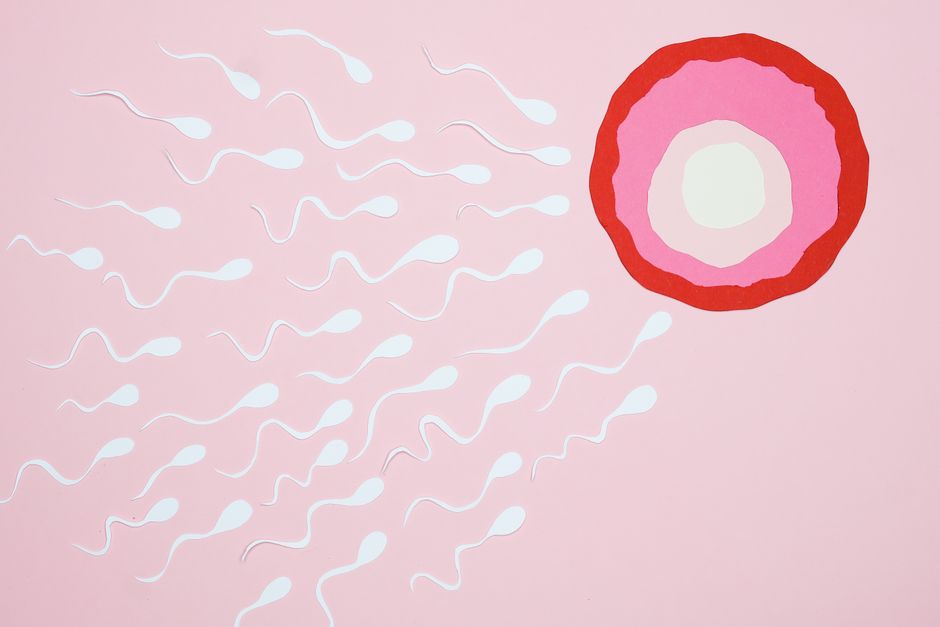
Men produce sperm continuously, not on a cycle like a woman’s monthly egg release. The process runs nonstop from puberty well into old age, with the average cycle taking about 64 to 74 days from start to finish. This means the sperm a man ejaculates today actually began developing roughly two to three months earlier.
How Often Do Men Make New Sperm
Sperm production, called spermatogenesis, is a constant process in the testicles. The testicles contain specialized cells that divide and mature into sperm around the clock. There is no “off switch” and no monthly rhythm. Healthy adult men produce millions of new sperm every single day.
The full process takes about 64 days for a sperm cell to develop from a primitive germ cell into a mature sperm. After that, the sperm spends another 10 to 14 days traveling through the epididymis, a coiled tube behind each testicle, where it gains the ability to swim and fertilize an egg. In total, the journey takes roughly 74 days.
Because production is continuous, a man’s sperm count reflects sperm that began forming about three months ago. This is why doctors tell men trying to conceive that lifestyle changes take about three months to show up in semen quality. If a man stops smoking or starts taking a supplement, the effects appear in his semen roughly one full sperm cycle later.
What Is the Daily Sperm Production Rate?
The testicles are remarkably productive organs. Research consistently shows that healthy men produce between 70 and 150 million sperm cells per day. The exact number varies from man to man and depends on testicle size, hormone levels, and general health.
Each testicle contains hundreds of tiny tubes called seminiferous tubules. If uncoiled and laid end to end, these tubes in a single testicle would stretch over 300 meters. Sperm cells develop along the inner walls of these tubes in organized waves, moving toward the center as they mature.
Not every sperm cell survives the journey. Many are absorbed by the body or die during development. The ones that make it to the epididymis are stored there until ejaculation. If a man ejaculates frequently, he releases younger sperm. If he abstains for several days, the stored sperm are older but still viable.
Does Sperm Quality Change With Age?
Sperm production continues throughout life, but quality does not stay the same forever. Men remain fertile well into their 60s and 70s, but several measurable changes occur with age.
Research shows that after age 35, sperm count and motility — the ability of sperm to swim — gradually decline. The percentage of sperm with normal shape also decreases. These changes are gradual, not sudden. A 50-year-old man can still father children, but it may take longer than it would have at 25.
Older fathers also pass on slightly more genetic mutations to their children. The risk of certain conditions, including some neurodevelopmental disorders, increases with paternal age. The absolute risk remains small, but it is real and worth understanding for couples planning later in life.
Testosterone levels also decline slowly with age, starting around age 30 at roughly 1 percent per year. This gradual drop does not stop sperm production, but it can affect libido and erectile function. Men with unusually low testosterone may have reduced sperm counts, but age alone rarely stops production entirely.





What Factors Slow Down Sperm Production?
Several lifestyle and medical factors can reduce or temporarily halt sperm production. Understanding these matters because many are reversible.
Heat is one of the most common disruptors. The testicles sit outside the body because sperm production requires a temperature about 2 to 3 degrees Celsius below core body temperature. Frequent hot tub use, saunas, or wearing tight underwear can raise scrotal temperature and temporarily lower sperm count. The effect reverses once the heat source is removed, but it takes a full sperm cycle — about three months — for counts to recover.
Certain medications suppress sperm production more directly. Anabolic steroids are a major cause of male infertility because they signal the brain to stop producing hormones needed for sperm development. Some blood pressure medications, antidepressants, and treatments for prostate conditions also affect sperm production. Men concerned about fertility should discuss all medications with their doctor.
Medical treatments like chemotherapy and radiation target rapidly dividing cells, which includes sperm-producing cells. These treatments can permanently damage sperm production. Men facing cancer treatment who want biological children in the future should discuss sperm banking before starting therapy.
Smoking, heavy alcohol use, and marijuana have all been linked to lower sperm counts in observational studies. Obesity also affects sperm quality through hormonal changes. These factors are not absolute — some men with heavy exposure have normal counts — but the overall pattern is consistent across research.
Does Ejaculation Frequency Affect Sperm Production?
Ejaculation frequency does not change how fast the testicles make sperm. Production runs at a steady rate regardless of how often a man ejaculates. What changes is the number of sperm stored and ready for release.
Frequent ejaculation, such as multiple times per day, lowers the total number of sperm in each ejaculate. The testicles cannot keep up with very high demand. Abstaining for several days increases the sperm count per ejaculation, but very long abstinence — beyond 7 to 10 days — can actually reduce sperm motility. Older sperm accumulate damage while waiting.
For couples trying to conceive, most fertility specialists recommend intercourse every 2 to 3 days around ovulation. This schedule balances sperm count with sperm freshness. Daily ejaculation does not harm long-term sperm production, but it can reduce the number of sperm available in any single sample.
How Is Sperm Production Measured?
A semen analysis is the standard test for evaluating sperm production. A man provides a semen sample after 2 to 5 days of abstinence, and a laboratory measures several parameters.
The World Health Organization publishes reference ranges for normal semen. A normal sperm concentration is 15 million sperm per milliliter or higher. Total sperm count per ejaculate should be 39 million or more. Motility and morphology are also assessed. These numbers are diagnostic thresholds, not guarantees of fertility. Some men with counts below these ranges still father children, and some men with normal counts struggle with infertility.
If a semen analysis shows low or absent sperm, doctors typically repeat the test after a few weeks. Sperm counts fluctuate naturally, and a single abnormal reading does not confirm a problem. A second test provides a more reliable picture.
Can Sperm Production Be Improved?
Several lifestyle changes are associated with better sperm health, though the evidence is stronger for some than others. No supplement has been proven in large clinical trials to reliably boost fertility in all men.
Maintaining a healthy weight is one of the most consistent recommendations. Studies have found that men with higher body mass index tend to have lower sperm counts and poorer motility. Weight loss in overweight men often improves semen parameters.
A diet rich in fruits, vegetables, whole grains, and healthy fats appears beneficial. Some research suggests that antioxidants like zinc, selenium, and coenzyme Q10 may help men with low counts, but results vary between studies. Men should not assume that high-dose supplements will solve fertility problems without medical evaluation.
Quitting smoking and reducing alcohol intake are supported by observational evidence. Reducing stress and getting adequate sleep also appear to help, though the direct effects are harder to measure. Regular moderate exercise improves overall health and may support sperm production, but extreme endurance training can have the opposite effect.
The most important point is timing. Any improvement in sperm production takes about three months to appear in a semen analysis. Men should not expect immediate changes and should not abandon healthy habits after a few weeks without seeing results.
Frequently Asked Questions
How long does it take for sperm to regenerate?
A full sperm cycle takes about 74 days from start to finish. This includes roughly 64 days of development in the testicles plus 10 to 14 days of maturation in the epididymis.
Does sperm run out if a man ejaculates too often?
No, sperm production is continuous and does not stop. Frequent ejaculation temporarily lowers the number of sperm in each ejaculate, but the testicles keep producing new sperm around the clock.
How many sperm does a man produce per day?
Healthy men produce between 70 and 150 million sperm cells daily. The exact number varies by individual and depends on hormone levels, testicle size, and overall health.
Can a man increase his sperm count naturally?
Weight loss, quitting smoking, reducing alcohol, and eating a balanced diet may improve sperm counts in some men. Any improvement takes about three months to appear because of the length of the sperm production cycle.
