
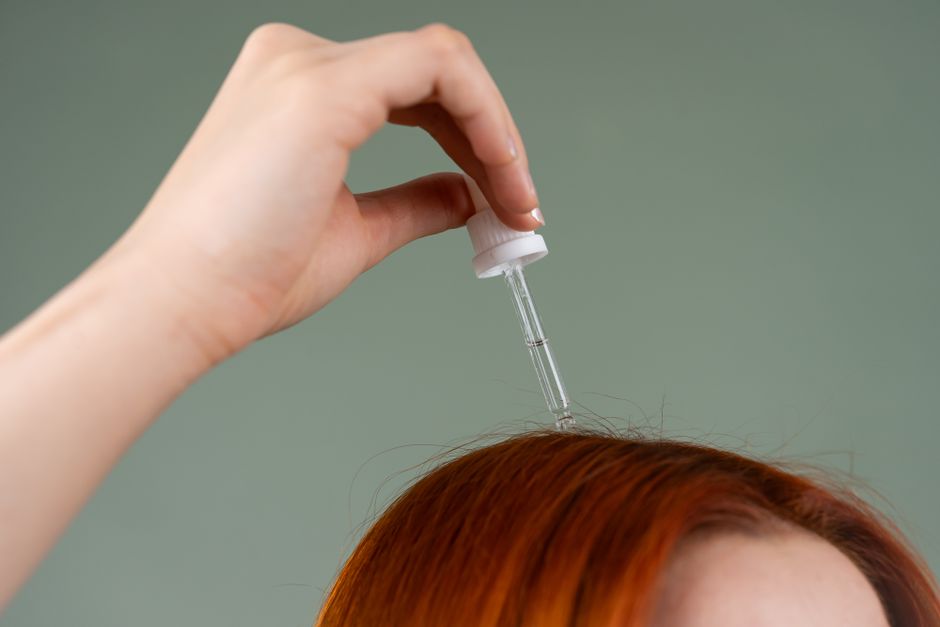
Dyeing your hair is a routine beauty practice for millions of people, but it comes with real questions about safety and damage. Most experts agree that waiting at least 8 to 10 weeks between full color treatments is the safest limit for maintaining healthy hair. Permanent dyes and bleach are the most damaging, while semi-permanent options allow for more frequent use. Your hair type, previous damage, and the specific product you choose all change what is actually safe for you.
What Happens to Your Hair When You Dye It?
Hair dye works by penetrating the outer layer of your hair, called the cuticle, to reach the cortex beneath. The cortex contains the pigments that give your hair its natural color. Permanent dyes use ammonia to open the cuticle and hydrogen peroxide to strip away your natural pigment before depositing new color.
This chemical process is not gentle. Every time you use permanent dye, you are lifting the protective scales of the cuticle and altering the protein structure of the cortex. The hair does not repair itself because it is dead tissue. Once the cuticle is damaged, it stays damaged until that strand grows out and is cut off.
The visible result of repeated dyeing is dry, brittle hair that breaks easily. You may notice split ends, a rough texture, or hair that snaps when you brush it. These are signs that the protective barrier of your hair has been compromised.
How Often Can You Dye Your Hair? Safe Limits
The safe frequency depends entirely on the type of dye you are using. Permanent color and bleach are the most aggressive and require the longest waiting period. A gap of 8 to 10 weeks between permanent color applications allows your hair to recover and minimizes cumulative damage.
Semi-permanent and demi-permanent dyes are gentler because they do not use ammonia or high levels of peroxide. These formulas coat the outside of the hair shaft rather than penetrating deeply. You can safely use these every 4 to 6 weeks if your hair is in good condition.
Temporary dyes and color-depositing conditioners are the safest options for frequent use. These do not contain developers or lifting agents and simply coat the hair surface. You can use them weekly or even daily without significant structural damage.
Bleach requires the most caution. Lightening your hair strips pigment aggressively and can compromise the hair’s integrity in a single session. If you bleach your hair, wait at least 8 weeks between full bleaching sessions. Some stylists recommend even longer for naturally fine or previously damaged hair.
Does Hair Type Change How Often You Can Dye?
Yes, your natural hair texture and condition directly affect how much chemical processing your hair can tolerate. Fine hair has a thinner cuticle layer and less structural support. It becomes damaged faster and needs longer recovery time between treatments.
Coarse or thick hair has a denser cuticle and can withstand more frequent chemical processing. However, coarse hair is often drier naturally, which means it may still show damage even if it does not break as easily.
Curly and coily hair is particularly vulnerable. The natural bends in the hair shaft create weak points where breakage is more likely to occur. Curly hair also produces less natural oil, which means it has less built-in protection against drying chemicals.
Previous damage matters more than your natural hair type. If your hair is already dry, brittle, or showing split ends, no amount of waiting between treatments will make additional dyeing safe. You need to address the existing damage first through trimming and conditioning before considering another color application.





What About Root Touch-Ups?
Root touch-ups are a different situation because you are only applying color to the new growth near your scalp. This new hair has never been chemically processed, so it can handle the treatment. The previously colored lengths of your hair do not come into contact with the fresh dye.
Most stylists recommend root touch-ups every 4 to 6 weeks for permanent color. This schedule keeps your color looking consistent while minimizing damage to the lengths of your hair. The key is precision — the dye should only touch the regrowth area, not the already colored hair.
If you are doing root touch-ups at home, be careful about overlap. Applying permanent dye over previously colored hair creates a buildup of chemical damage in that specific area. This is why the mid-lengths and ends of at-home dyed hair often look more damaged than the roots.
Signs Your Hair Needs a Break From Dyeing
Your hair will tell you when it has had too much. The most obvious sign is excessive breakage — hair that snaps when you gently pull it or that accumulates in your brush at a faster rate than normal.
Other warning signs include a consistently rough or straw-like texture, split ends that return quickly after trimming, and hair that feels mushy when wet. Wet hair is more elastic than dry hair, but if your hair stretches significantly and does not bounce back, the protein structure is compromised.
Color that fades quickly or looks uneven after dyeing can also indicate damage. Damaged hair cannot hold color well because the cuticle is too open and allows pigment to wash out rapidly. If your color is fading within a week or two, your hair may need a break from processing.
If you notice any of these signs, stop dyeing your hair completely until the damage resolves. This may take several months. Regular trims to remove damaged ends and deep conditioning treatments can help, but nothing will fully repair hair that has been structurally compromised.
Tips to Reduce Damage When You Dye
You can take steps to protect your hair even when you do dye it. Start with healthy hair. If your hair is already damaged, fix that first before adding more chemicals.
Consider going lighter in shade rather than darker. Lightening requires more lifting and is more damaging. Darker shades deposit color without stripping as much natural pigment, which is gentler on the hair structure.
Use a bond-building treatment before and after dyeing. These products contain ingredients designed to strengthen the protein bonds in your hair. Some research suggests they reduce breakage during chemical processing, though they cannot prevent all damage.
Space out your treatments as much as possible. The longer you wait between dye sessions, the more time your hair has to recover. If you are unsure, err on the side of waiting longer.
Deep condition regularly between treatments. Look for products with ceramides, proteins, or oils that help reinforce the cuticle. Heat styling, chlorine, and sun exposure all worsen chemical damage, so limit those factors as well.
When to See a Professional
If you are making a dramatic color change — going from very dark to very light, or attempting a major color correction — see a professional stylist. These transformations require multiple chemical steps that are difficult to manage safely at home.
Professional stylists can assess your hair’s condition and determine how much processing it can safely handle. They also have access to higher-quality products and can monitor the processing time more precisely than is possible at home.
If your hair is breaking excessively, scaly patches appear on your scalp, or you develop itching or burning after dyeing, stop using the product and consult a healthcare provider. These symptoms may indicate an allergic reaction or a more serious scalp condition that requires medical attention.
Does Dyeing Cause Long-Term Health Risks?
This question comes up often, and the research is ongoing. Some studies have examined whether long-term use of hair dye is linked to certain cancers, particularly bladder cancer and blood cancers like lymphoma and leukemia. The evidence so far is mixed.
Some research suggests that older formulations of hair dye, which contained different chemical compounds, may have posed higher risks. Modern hair dyes have changed in formulation, and current evidence does not clearly establish a strong link between personal hair dye use and cancer. Some studies indicate a possible increased risk, while others find no significant association.
Occupational exposure is a different situation. Hairdressers and barbers who work with dyes daily over many years may face higher exposure levels. Some research has found higher rates of certain cancers in this occupational group, though the evidence is not definitive.
If you are concerned about long-term health risks, you can reduce your exposure by using semi-permanent or temporary dyes, which contain fewer harsh chemicals. You can also minimize skin contact by wearing gloves during application and following the product instructions exactly.
Frequently Asked Questions
Can I dye my hair every 2 weeks?
Only if you are using temporary color or a color-depositing conditioner. Permanent dye and bleach every 2 weeks will cause significant structural damage to your hair.
How long should I wait between box dye applications?
Wait at least 8 to 10 weeks between permanent box dye applications to allow your hair to recover. Root touch-ups can be done every 4 to 6 weeks if you apply color only to the new growth.
Is it safe to dye damaged hair?
No, dyeing already damaged hair will make the damage worse and can lead to breakage. Focus on trimming and conditioning until the hair is healthy before applying more chemicals.
Does semi-permanent dye damage hair?
Semi-permanent dye is much gentler than permanent dye and causes minimal structural damage. It is safe to use every 4 to 6 weeks if your hair is in good condition.
