
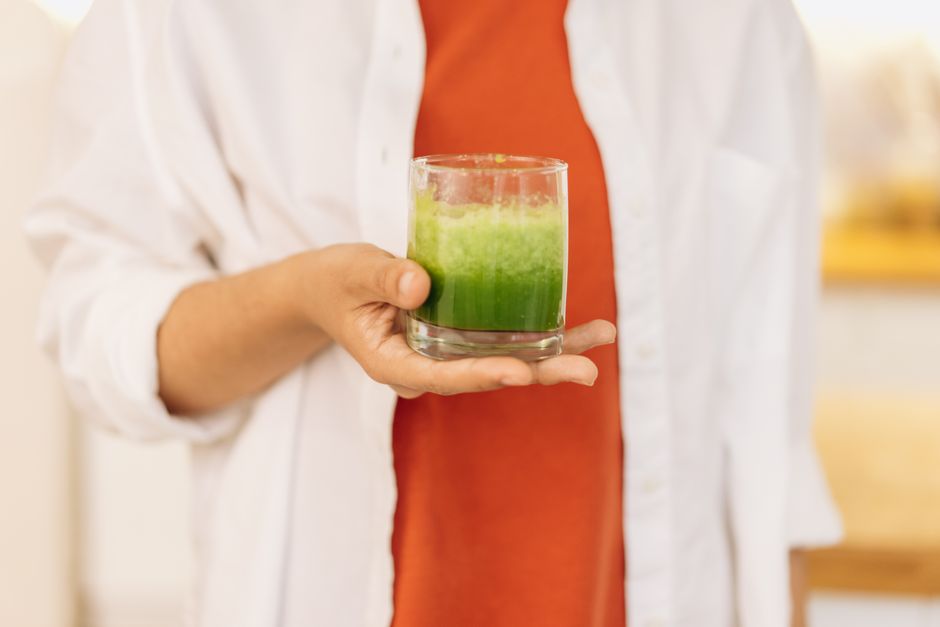
Colon cleanses are marketed as a way to flush toxins, improve digestion, and boost energy. The honest answer to how often you can do one safely is that routine colon cleansing is not recommended by medical experts. For most people, a single cleanse carries risks, and doing them on a schedule has no proven health benefit. The human colon is self-cleaning, and the safest approach is usually to let it do its job.
What Is a Colon Cleanse?
A colon cleanse is a process that flushes water, sometimes with added herbs or coffee, through the rectum and into the large intestine. The procedure is called a colonic or colonic irrigation when done by a practitioner. At-home versions use enema kits or oral supplements like laxatives and herbal teas.
The idea behind the cleanse is that waste and toxins build up on the colon walls over time. This “autointoxication” theory dates back to ancient Egypt and became popular again in the early 1900s. Modern medicine has repeatedly rejected this theory. Research has not found evidence that toxins accumulate on the colon lining or that cleansing improves health.
What Does the Colon Actually Do?
The colon, or large intestine, is the final section of the digestive tract. Its main job is to absorb water and electrolytes from digested food. It also houses trillions of bacteria that help with fermentation and vitamin production.
The colon does not need help removing waste. The body has its own systems for this. The intestines move material along using muscle contractions called peristalsis. The liver and kidneys filter waste from the blood. The colon sheds its lining cells regularly, which prevents old material from sticking to the walls.
Medical organizations including the American College of Gastroenterology do not recommend colon cleansing for general health or detoxification. There is no evidence that it prevents disease or improves how the digestive system works.
What Are the Risks of Frequent Colon Cleansing?
Repeated colon cleanses can cause real harm. The most common risks are dehydration and electrolyte imbalances. When water flushes through the colon, the body loses sodium, potassium, and other minerals needed for nerve and muscle function. Severe imbalances can cause heart rhythm problems.
Other documented risks include:
- Perforation of the bowel wall, which is a medical emergency
- Infections from improperly sterilized equipment
- Nausea, vomiting, and cramping during and after the procedure
- Dependence on laxatives or enemas for normal bowel movements
- Worsening of existing conditions like kidney disease or inflammatory bowel disease
Case reports have linked colon cleanses to serious complications requiring hospitalization. Some of these cases involved kidney damage from phosphate-based products used in the cleanse. Others involved bowel perforations that required surgery.



Is There Ever a Medical Reason for Colon Cleansing?
Yes, but the medical reasons are narrow and specific. Colon cleansing is a legitimate procedure before certain medical exams. For example, a colonoscopy requires a completely empty colon so the doctor can see the lining clearly. This preparation uses prescription laxatives or specialized bowel prep solutions under a doctor’s guidance.
Another medical use is for severe constipation that has not responded to other treatments. Some clinicians recommend enemas or irrigation for impacted stool, but this is done under medical supervision. It is not something a person should schedule repeatedly on their own.
Outside of these situations, colon cleansing is not a medical treatment. It is a wellness practice with no established clinical benefit. Some practitioners claim it treats migraines, fatigue, or skin conditions. No large human trials have confirmed these claims.
How Often Can You Do a Colon Cleanse Safely?
There is no safe frequency for routine colon cleansing because no frequency has been shown to be beneficial. Doing one cleanse every few months is not a safe alternative to doing them weekly. The evidence does not support any schedule.
If you are considering a cleanse for a specific medical reason, such as constipation that is not improving, talk to a doctor first. They can determine whether a cleanse is appropriate and how often it might be needed. For general health or detox purposes, the safest frequency is never.
Some people report feeling lighter or having more energy after a cleanse. These feelings are temporary and likely related to the removal of water and waste. They are not evidence that the body is healthier or that toxins have been removed.
What Are the Alternatives to Colon Cleansing?
If your goal is regular bowel movements or better digestion, there are safer ways to support colon health. These approaches are supported by evidence and carry minimal risk.
Fiber is the most important nutrient for colon function. Soluble fiber from oats, beans, and apples absorbs water and softens stool. Insoluble fiber from whole grains and vegetables adds bulk and speeds transit time. The USDA recommends adults get about 25 to 38 grams of fiber per day depending on age and sex.
Water intake matters too. Fiber only works when you drink enough fluids. Without adequate water, fiber can actually make constipation worse. Most adults need around 8 to 12 cups of fluid daily, though individual needs vary.
Regular physical activity helps stimulate bowel movements. Even a daily 20-minute walk can make a difference. Establishing a consistent bathroom routine, such as sitting on the toilet at the same time each day, also helps train the body.
What About Herbal Teas and Detox Supplements?
Oral colon cleanse products often contain senna, cascara, or other stimulant laxatives. These herbs work by irritating the intestinal lining to trigger a bowel movement. Short-term use under medical guidance can treat constipation. Long-term use can damage the colon’s natural ability to contract.
People who use stimulant laxatives regularly can develop a condition called lazy bowel syndrome. The colon becomes dependent on the stimulant to move waste. This can create a cycle where you need the product to have a bowel movement at all.
Detox teas and cleanse kits are not regulated by the FDA the way medications are. The amount of active ingredients can vary between batches. Some products have been found to contain undeclared ingredients. No study has confirmed that these products remove toxins or improve long-term health.
How Do You Know If a Colon Cleanse Has Gone Wrong?
Certain symptoms after a cleanse require immediate medical attention. Severe abdominal pain that does not go away could signal a bowel perforation. Blood in the stool or from the rectum is another warning sign. Dizziness, confusion, or an irregular heartbeat can indicate dangerous electrolyte changes.
Fever, chills, or vomiting after a cleanse may point to an infection. This is more likely if the equipment was not properly sterilized. If you experience any of these symptoms, go to an emergency room rather than waiting to see if they pass.
Milder symptoms like bloating or cramping can occur during and after a cleanse. These usually resolve within a few hours. But they are not a sign that the cleanse worked. They are a sign that the colon is being irritated.
What Do Gastrointestinal Specialists Recommend?
Gastroenterologists, the doctors who specialize in digestive health, do not recommend routine colon cleansing. Their guidance is consistent: the colon cleans itself, and the risks of the procedure outweigh any unproven benefits.
If you are concerned about digestive health, a doctor can help identify the actual cause of your symptoms. Constipation, bloating, or fatigue may have underlying causes that a cleanse will not address. These could include dietary issues, medication side effects, or conditions like irritable bowel syndrome.
For people who still choose to have a colon cleanse despite the risks, harm reduction matters. Choose a licensed practitioner who uses single-use, sterile equipment. Disclose all medical conditions and medications beforehand. Avoid cleanses if you are pregnant, have kidney disease, or have a history of bowel surgery. But understand that even with these precautions, the procedure has no proven benefit.
Frequently Asked Questions
How many times a year is it safe to do a colon cleanse?
No number of cleanses per year has been shown to be safe or beneficial. Medical experts recommend against routine colon cleansing entirely.
Can a colon cleanse help with constipation?
An enema or colonic can provide temporary relief from constipation, but it does not treat the underlying cause. Safer options include increasing fiber, water, and physical activity.
Are at-home colon cleanse kits as safe as professional ones?
At-home kits carry the same risks as professional cleanses, including dehydration and bowel perforation. They are not regulated for safety or effectiveness.
How long does it take to recover from a colon cleanse?
Most people feel back to normal within a day, though cramping can last longer. Severe or persistent symptoms after a cleanse require immediate medical attention.
