
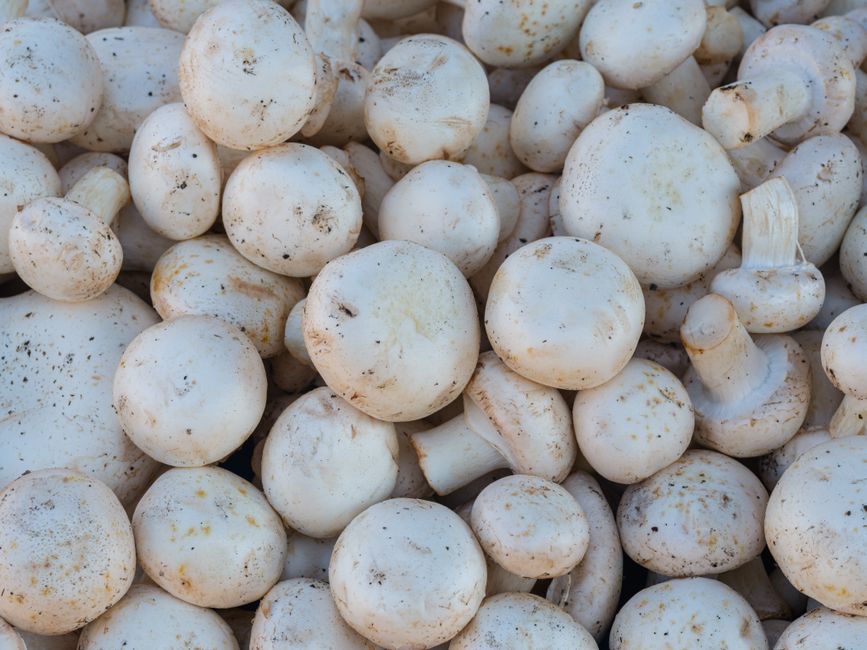
Mushrooms make vitamin D when they are exposed to ultraviolet light, the same way human skin does. The UV energy converts a sterol in the mushroom called ergosterol into vitamin D2. Wild mushrooms get this light from the sun. Store-bought mushrooms usually get it because growers deliberately expose them to UV lamps before packaging. You can also do it yourself at home by setting mushrooms in sunlight for a period of time, though the details matter more than most people realize.
How Mushrooms Make Vitamin D And How To Maximize It
The process is a chemical reaction, not a biological one. That distinction matters, and it is the reason mushrooms can produce vitamin D even after they have been picked and even after they are sliced.
Mushrooms contain a compound called ergosterol in their cell membranes. Ergosterol is a sterol, a type of fat-like molecule. It serves a structural role similar to cholesterol in human cells. When ultraviolet light hits ergosterol, the energy breaks and rearranges its molecular bonds. The result is vitamin D2, also called ergocalciferol.
In your skin, the starting molecule is 7-dehydrocholesterol, and the end product is vitamin D3, or cholecalciferol. Different starting material, different final molecule. But the underlying chemistry is the same idea: UV light plus a sterol equals vitamin D.
This is why the reaction keeps working after harvest. A living plant or animal needs metabolic machinery to make things. A mushroom does not need to be alive to convert ergosterol to vitamin D2. It only needs the sterol to be present and the light to reach it.
Why Do Some Mushrooms Have Vitamin D And Others Do Not?
Whether a mushroom contains vitamin D depends almost entirely on how much UV light it received, not on the species.
Mushrooms grown in the dark, which describes most commercial production, contain little to no vitamin D. The growing rooms are climate-controlled and shielded from sunlight. The mushrooms never get the light exposure that triggers the conversion.
Some producers expose their mushrooms to UV lamps after harvest. These products are often labeled as having vitamin D. The amount can vary widely between brands, and even between batches from the same brand, because it depends on the lamp intensity, the distance, and the exposure time.
Wild mushrooms are a different story. Those that grew in open sunlight can contain meaningful amounts of vitamin D2. But foraging carries real risk. Some wild mushrooms are toxic, and appearance alone is not a reliable way to tell safe species from dangerous ones. That is a serious safety issue, and it is separate from any nutritional benefit.
Can You Make Vitamin D In Mushrooms At Home With Sunlight?
Yes. Placing sliced mushrooms in direct sunlight can raise their vitamin D2 content substantially. Slicing helps because it exposes more surface area to the light.
Here is where the practical details get murky. The amount of vitamin D produced depends on many variables: the intensity of the sun, the time of day, the season, your latitude, cloud cover, and how long the mushrooms sit out. Because so many factors shift, there is no single reliable number for how much vitamin D you will end up with.
A few points are well established:
- Direct sunlight works better than indirect or shaded light.
- Slicing or cutting the mushrooms increases the exposed surface area.
- UVB light is the part of the spectrum that drives the reaction.
- Glass blocks most UVB, so drying mushrooms behind a window will not work the same way.
Some research has found that a relatively short time in strong midday sun can produce a noticeable amount of vitamin D2, while other conditions produce very little. The honest summary is that home sun exposure can work, but the result is unpredictable. You cannot easily know how much you are getting.



Do UV Lamps Work As Well As Sunlight?
UV lamps can work, and they are how many commercial producers add vitamin D to mushrooms. But not all UV lamps are the same, and this is where home use gets tricky.
The reaction needs UVB light specifically. Many lamps sold for other purposes emit mostly UVA, which does not drive the same conversion. Some lamps emit UVB but in amounts that vary by distance and model.
There is also a safety dimension. UVB light can damage skin and eyes. Using UV lamps at home means managing that exposure carefully, and the equipment is not designed for casual kitchen use. For most people, sun exposure is the simpler and safer route.
If you are buying mushrooms rather than treating them yourself, look for a label that states the vitamin D content. That gives you a number to work with instead of a guess.
Does Cooking Destroy The Vitamin D In Mushrooms?
Cooking does not destroy vitamin D2 in any meaningful way. Vitamin D is relatively stable under normal cooking temperatures.
What cooking can do is leach some of the vitamin D into cooking liquid, especially if you boil mushrooms and discard the water. If you sauté, roast, or grill them, the vitamin D largely stays in the food.
One detail worth knowing: vitamin D is fat-soluble. Cooking mushrooms in a small amount of oil does not create vitamin D, but fat can help with absorption in your gut, the same way it does for other fat-soluble vitamins. This is a general principle of nutrition, not something specific to mushrooms.
How Much Vitamin D Do Mushrooms Actually Provide?
The range is wide, and that is the central problem with relying on mushrooms as your main vitamin D source.
Untreated commercial mushrooms contain very little. UV-treated mushrooms can contain amounts that vary from modest to quite high, depending on the producer and the batch. Because there is no single standard, the only dependable way to know is to read the label on the package you bought.
For context on what you need: the recommended daily allowance for vitamin D for most adults is 600 international units, rising to 800 IU for adults over 70. These figures come from established dietary guidelines. Pregnant women, infants, and children have their own considerations, and those should be discussed with a clinician rather than worked out from a mushroom label.
It is also worth understanding that vitamin D2 and vitamin D3 are not identical. Vitamin D3 is the form your skin makes and the form found in animal foods. Vitamin D2 comes from plant and fungal sources. Both can raise vitamin D levels in the body, and both are used in supplements. Some evidence suggests D3 may raise blood levels somewhat more effectively, but both forms are recognized as capable of supporting vitamin D status.
Are Mushrooms A Good Source Of Vitamin D Compared With Other Foods?
It depends entirely on whether the mushrooms were UV-treated.
Fatty fish like salmon, trout, and mackerel naturally contain vitamin D3. Egg yolks and liver contain smaller amounts. Fortified milk, some plant milks, and certain cereals have vitamin D added. UV-treated mushrooms can be a meaningful source too, and they are one of the few non-animal options.
For people who eat a plant-based diet, UV-treated mushrooms are one of the more practical food sources of vitamin D. That said, no single food reliably covers the full daily requirement for most people, which is why fortified foods and supplements are common.
What Is The Bottom Line On Mushroom Vitamin D?
Mushrooms can make vitamin D because they contain ergosterol, and UV light converts that ergosterol into vitamin D2. This works in the wild, in commercial production, and on your kitchen counter.
The catch is consistency. Sunlight varies. Lamps vary. Producers vary. Unless a package tells you the vitamin D content, you are guessing. If you want a predictable amount, a labeled product or a supplement is easier to control than a handful of mushrooms left in the sun.
If you enjoy mushrooms and want to boost their vitamin D, slicing them and setting them in direct midday sun is a reasonable approach. Just do not assume it gives you a fixed dose, because it does not.
Frequently Asked Questions
How long should I leave mushrooms in the sun to make vitamin D?
There is no single reliable time because it depends on sun intensity, season, and latitude. Some research suggests a short period in strong midday sun can work, but the result varies too much to give one fixed number.
Do all mushrooms contain vitamin D?
No. Mushrooms grown in the dark, which includes most commercial varieties, contain little to no vitamin D unless they were exposed to UV light. Check the label if you want to know the amount.
Is mushroom vitamin D as good as vitamin D from sunlight on skin?
Mushrooms make vitamin D2, while your skin makes vitamin D3. Both forms can raise vitamin D levels, though some evidence suggests D3 may raise blood levels somewhat more effectively.
Can I get enough vitamin D from mushrooms alone?
It is possible with UV-treated mushrooms that list a high vitamin D content, but it is hard to rely on because amounts vary so much. Most adults need 600 IU daily, and no single food reliably covers that for everyone.
