
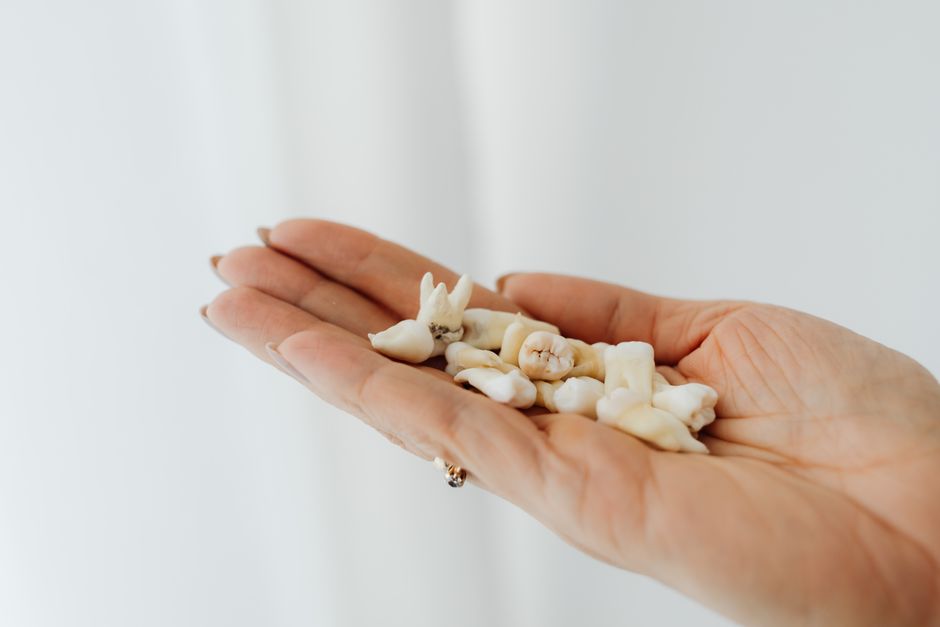
A gold tooth is a genuine dental restoration, not just a fashion statement. The cost depends heavily on the type of restoration, the amount of gold used, and your location. In the United States, a single gold crown typically ranges from $800 to $2,500 without insurance. A gold veneer or a gold “grillz” tooth cap sits in a different price category, often starting around $1,000 and climbing much higher for custom work.
What Exactly Are You Paying For?
The price tag reflects more than just the metal. You are paying for the dentist’s skill, the laboratory work, the materials, and the time required to fit the restoration precisely. Gold is not a single product. It comes in different alloys and purities, and each affects the final price.
Most dental gold is not pure 24-karat gold. Pure gold is too soft for chewing surfaces. Dentists use gold alloys that mix gold with other metals like palladium, platinum, or silver to increase strength. The higher the gold content, the more expensive the material, but also the more biocompatible and durable it tends to be.
How Much Would A Gold Tooth Cost Compared to Other Materials?
Gold crowns are among the most expensive dental restorations available. They are not the most common choice today, but they remain a gold standard for durability. A porcelain-fused-to-metal crown often costs less, while all-porcelain or zirconia crowns fall in a similar or slightly lower range depending on the lab.
| Restoration Type | Typical Cost Range (per tooth, no insurance) |
|---|---|
| Gold crown | $800 – $2,500 |
| Porcelain-fused-to-metal crown | $800 – $1,700 |
| All-porcelain or ceramic crown | $900 – $2,200 |
| Zirconia crown | $900 – $2,300 |
These ranges reflect typical US dental fees before insurance. Your actual quote will depend on your dentist’s fee schedule and the lab they use. Urban areas with higher overhead tend to charge more than rural practices.
Gold crowns last a long time. Studies consistently show that gold restorations can survive 15 to 30 years or more with proper care. That longevity is one reason some patients choose gold even when it costs more upfront.
What Is the Difference Between a Gold Crown and a Gold Veneer?
A crown covers the entire tooth. A veneer only covers the front surface. This distinction matters for cost and for how the tooth is prepared.
A gold crown requires the dentist to shave down the entire tooth structure to create room for the restoration. It is a full-coverage cap. A gold veneer is a thin shell bonded to the front of the tooth. It requires less tooth reduction, but it is less common in gold than in porcelain because gold’s color is not typically desired on visible front teeth.
Gold veneers are sometimes requested for aesthetic reasons, especially for a distinctive smile. They are more common in the UK and Europe than in the US. When they are done, the cost is often similar to a crown because the laboratory work is intricate and the fitting process requires the same level of precision.




What About Gold Grillz and Removable Tooth Caps?
Grillz are removable decorative covers worn over teeth. They are not dental restorations. They are jewelry. This distinction is critical because grillz do not require a dentist in most states, though reputable jewelers often recommend a dental impression taken by a professional.
A basic gold grillz for one tooth might cost $100 to $300 if it is a thin, machine-made piece. Custom, hand-fabricated grillz from a high-end jeweler can cost $1,000 to $3,000 or more per tooth. The price depends on the gold purity, the thickness, the design complexity, and the jeweler’s reputation.
Removable gold tooth caps are a middle ground. These are temporary covers that snap over an existing tooth. They are not permanent and are not a substitute for proper dental care. They cost roughly $50 to $200 per tooth and are widely sold online. No dental association endorses these as a long-term solution, and they can trap food and bacteria against the tooth, increasing decay risk.
Does Insurance Cover Gold Teeth?
Most dental insurance plans cover crowns, but they base their allowance on the least expensive option that meets your clinical needs. In practice, this often means they pay toward a porcelain-fused-to-metal crown or a basic gold crown, not the premium gold alloy you might prefer.
Insurance typically covers 50% of the allowed amount for a crown after your deductible. If your plan allows $1,000 for a crown and your gold crown costs $2,000, you pay the $1,000 difference plus your 50% share of the allowance. Your out-of-pocket cost ends up around $1,500.
Grillz and removable caps are never covered by dental insurance. They are considered cosmetic jewelry, not medical treatment. Some dental discount plans offer reduced fees for crowns, but the savings vary by plan and provider.
Are There Extra Costs I Should Expect?
The crown itself is not the only expense. Many patients need additional procedures before the crown can be placed. These add to the total bill.
- Core buildup: If the tooth is badly decayed or broken, the dentist may need to build up the foundation before crowning. This costs $150 to $400.
- Root canal: A tooth that is infected or deeply decayed often needs a root canal before a crown. This adds $700 to $1,500 depending on the tooth.
- Temporary crown: While your permanent gold crown is being made, you will wear a temporary. This is usually included in the crown fee, but confirm with your dentist.
- X-rays and exam: Most dentists include these in the treatment plan, but if you are a new patient, expect a separate fee of $100 to $250.
Ask for a written treatment plan before agreeing to work. It should list every procedure and its cost. A reputable dentist will provide this without hesitation.
Why Choose Gold in the First Place?
Gold has a long history in dentistry because it works. It does not corrode or tarnish in the mouth. It is extremely wear-resistant and does not wear down the opposing teeth the way some harder ceramics can. It also requires less tooth reduction than porcelain because it is strong even in thin layers.
Gold is biocompatible. Most people do not have allergic reactions to dental gold alloys. This makes it a good option for patients with sensitivities to other metals or certain ceramics.
The main downside is appearance. Gold is visible and not everyone wants a metallic smile. For molars and premolars, this is rarely a concern. For front teeth, most patients choose tooth-colored materials instead.
How Do I Find a Dentist Who Does Gold Work?
Not every dentist places gold crowns regularly. Many younger dentists were trained primarily in porcelain and zirconia. Ask directly whether the practice works with a dental lab that fabricates gold restorations.
You can also ask to see examples of previous gold crowns. A good dentist will have photos or be able to describe their experience with gold cases. If your dentist does not feel comfortable with gold, ask for a referral to a prosthodontist — a specialist in restorative dentistry.
Price shopping is reasonable, but do not choose a dentist solely on cost. A poorly fitted crown, regardless of material, will fail early and cost you more in the long run. The fit and the seal between the crown and the tooth determine its lifespan more than the material itself.
Frequently Asked Questions
How long does a gold tooth crown last?
Gold crowns commonly last 15 to 30 years with good oral hygiene. Some last a lifetime with proper care and regular dental checkups.
Is a gold tooth worth the extra cost?
Gold offers excellent durability and biocompatibility, making it a strong long-term investment for back teeth. The higher upfront cost is often offset by fewer replacements over time.
Can I get a gold tooth if I have a metal allergy?
Most dental gold alloys are highly biocompatible and rarely cause allergic reactions. If you have a known metal sensitivity, ask your dentist to use a high-noble gold alloy with minimal base metal content.
Do gold teeth set off metal detectors?
Dental gold alloys are typically non-magnetic and may not trigger standard metal detectors. High-security scanners can sometimes detect them, but this is uncommon and rarely causes issues.
