
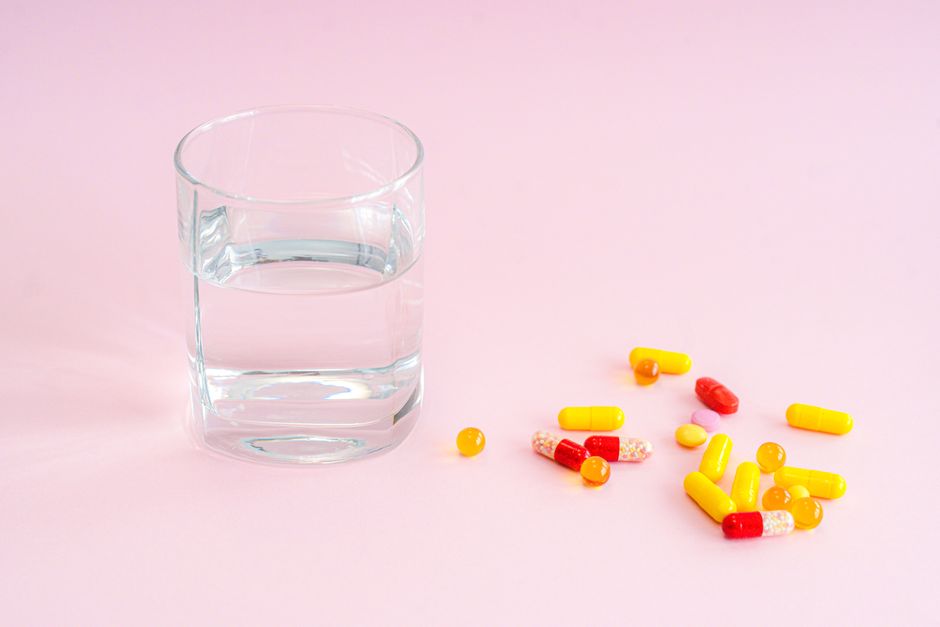
Drinking extra water before a blood test will lower your hemoglobin measurement, but the effect is usually small and temporary. For most people, the dilution is not enough to hide a true case of anemia or change a medical diagnosis. The change happens because fluids increase your blood plasma volume, which makes the red blood cells less concentrated even though the total number of cells stays the same.
How Do Fluids Actually Dilute Your Blood?
Your blood is about half cells and half liquid. The liquid part is called plasma. Hemoglobin is the protein inside your red blood cells that carries oxygen.
When you drink fluids, your kidneys hold onto some of that water and release the rest. The water that stays enters your bloodstream and increases the plasma volume. This is a normal, constant process. Your body works every day to keep the balance right.
Think of it like adding water to a glass of juice. The amount of juice concentrate stays the same, but the color gets lighter as you add more water. The same thing happens with your blood. The number of red blood cells stays the same, but they become more spread out in a larger volume of plasma.
This is why doctors call the measurement a concentration. It is the amount of hemoglobin per volume of blood, not the total amount in your body.
How Much Will Fluids Dilute Hemoglobin in Practice?
In a typical adult, drinking a glass or two of water before a blood draw will not change the hemoglobin result in a meaningful way. The effect is real but small.
Studies on this topic show that significant dehydration can raise hemoglobin levels by several points. The reverse is also true. Heavy fluid intake can lower the reading, but the change is usually within the normal range of day-to-day variation.
The bigger risk is the opposite direction. If you are dehydrated, your hemoglobin can read falsely high. This can mask a mild anemia. If you have been fasting overnight for a blood test and have not had anything to drink, your blood is slightly more concentrated than usual.
For most diagnostic purposes, the difference is not enough to matter. A hemoglobin level that is clearly low will still be low after a glass of water. A level that is clearly normal will still be normal.
The exception is when someone drinks a very large amount of water in a short time. This is rare in everyday life but can happen before a test if someone is trying to “flush” their system. Drinking several liters rapidly can cause a measurable drop in hemoglobin concentration.
Does This Affect Red Blood Cell Count or Hematocrit?
Yes. The same dilution that lowers hemoglobin will also lower your hematocrit and your red blood cell count.
Hematocrit is the percentage of your blood volume that is made up of red blood cells. If you add water to your plasma, the percentage goes down. The red blood cell count is measured per microliter of blood, so it also drops with dilution.
These three measurements usually move together. Doctors look at them as a group to understand your blood health. If all three are low, it could mean anemia or it could mean dilution. If only one is low, that points to a different issue.
This is why doctors do not rely on a single number. They look at the whole picture, including your symptoms and your medical history.


What Is the Best Way to Prepare for a Blood Test?
The standard advice is simple. Drink normally. Do not chug extra water, and do not avoid fluids completely.
If your test requires fasting, you should still drink water. Fasting means no food and no caloric drinks. Water is allowed and encouraged in most cases. Being dehydrated makes your veins harder to find and can make the blood draw more difficult.
For a hemoglobin test specifically, being normally hydrated gives the most accurate result. That means drinking when you are thirsty and not forcing extra fluids.
If you are concerned about a specific result, talk to your doctor before the test. They can tell you exactly how to prepare. Some tests have specific requirements, and your doctor knows which ones apply to you.
Can Drinking Fluids Hide Anemia?
In most cases, no. The dilution from normal fluid intake is too small to hide a true anemia.
Anemia is diagnosed when hemoglobin falls below a certain threshold. For adult men, that is typically below 13.5 grams per deciliter. For adult women, it is typically below 12.0 grams per deciliter. These are general reference values and can vary slightly by lab.
If your hemoglobin is 10.5, drinking water will not bring it up to 12.5. The change is just not that large. Even significant overhydration would only shift the number by a small amount.
However, if your hemoglobin is borderline, around the cutoff value, fluid intake could tip it from one side to the other. This is why doctors repeat borderline tests before making a diagnosis.
Dehydration is a bigger concern. A dehydrated person can have a falsely elevated hemoglobin. This could make a mild anemia look normal. If your doctor suspects this, they may ask you to drink fluids and repeat the test.
Does This Matter for Athletes or Endurance Exercise?
Athletes sometimes hear about “blood doping” or manipulating fluid levels to change test results. This is not a practical or safe strategy.
During intense exercise, your body loses fluid through sweat. This makes your blood more concentrated. After exercise, when you rehydrate, your blood returns to normal.
Some sports organizations test hemoglobin to screen for blood doping. These tests are designed to account for normal fluid variation. Attempting to manipulate results through fluid intake is not reliable and can raise suspicion.
For everyday health, the takeaway is simple. Your hydration status affects your blood tests, but not enough to mislead your doctor in a serious case. Stay normally hydrated, follow your doctor’s instructions, and do not try to game the system.
When Should You Be Concerned About a Hemoglobin Reading?
A single abnormal hemoglobin reading is not always a cause for alarm. Many things can cause a temporary change.
Recent fluid intake, time of day, and even the position you were in during the draw can affect the result. Labs also have their own reference ranges, so a “normal” value at one lab may be slightly different at another.
Your doctor will consider the following before making a diagnosis:
- Your symptoms, such as fatigue, shortness of breath, or pale skin
- Your complete blood count, not just hemoglobin alone
- Your medical history and any medications you take
- Whether the result makes sense with your overall health
If the result is unexpected, the standard practice is to repeat the test. This is not a sign that something is wrong. It is simply good medicine to confirm a result before acting on it.
Does Intravenous Fluid Affect Hemoglobin More Than Drinking?
Yes, and this is an important distinction. IV fluids are given directly into the bloodstream. They expand plasma volume much faster than drinking water.
In a hospital setting, a patient receiving IV fluids can have a measurable drop in hemoglobin within hours. This is why doctors often order blood tests before starting IV fluids or wait a certain time after. The drop is usually temporary, and the body adjusts over time.
This effect is well documented in clinical practice. It is one reason why hemoglobin levels are interpreted with caution in hospitalized patients who are receiving fluids.
For the average person at home, this is not a concern. You cannot give yourself IV fluids. The effect of drinking water is much slower and much smaller.
Frequently Asked Questions
Will drinking water before a blood test lower my hemoglobin?
Yes, but the effect is small and usually not enough to change a diagnosis. Normal hydration is best for an accurate result.
How long does it take for fluids to dilute hemoglobin?
The effect starts within about an hour of drinking and is largest after a large volume of fluid. The body corrects the balance within a few hours as the kidneys remove the extra water.
Can dehydration make my hemoglobin higher than it really is?
Yes. Dehydration concentrates your blood and can raise hemoglobin by several points. This is why doctors prefer a normally hydrated patient for testing.
Should I avoid water before a fasting blood test?
No. Water is generally allowed and encouraged during fasting. It does not affect fasting glucose or lipid measurements and helps keep your veins easier to access.
