
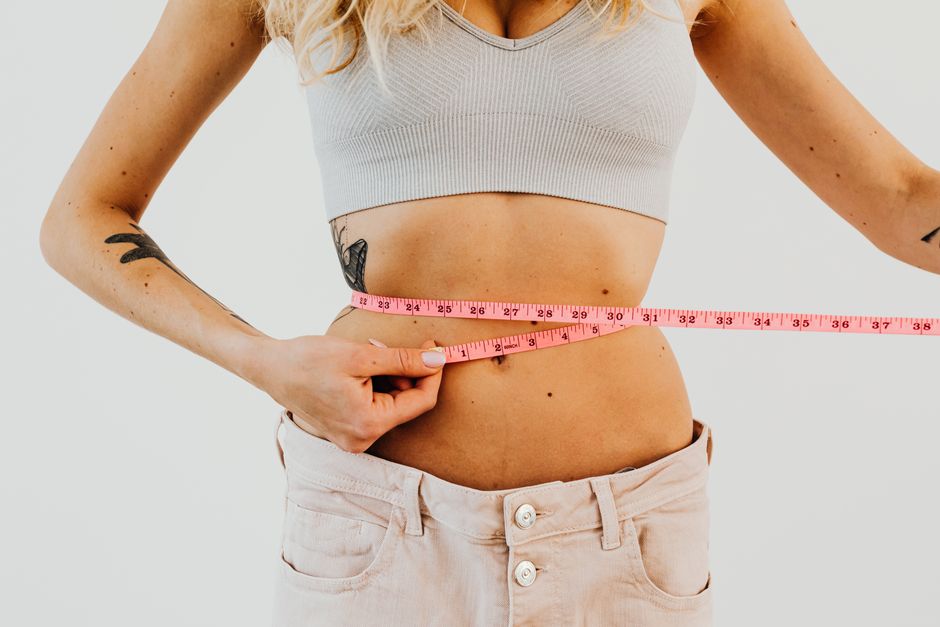
What Exactly Causes Loose Skin After Weight Loss?
Your skin is a living organ with two key layers. The outer layer is the epidermis, and the thicker inner layer is the dermis. The dermis contains collagen and elastin fibers that give skin its structure and ability to stretch and retract. Think of it like a rubber band. Stretch it a little, and it returns to its original shape. Stretch it a lot for a long time, and it loses its snap.
When you gain weight, your skin stretches to accommodate the increased volume of fat underneath. This stretching damages the collagen and elastin fibers. If you lose that weight slowly, the skin has more time to produce new fibers and tighten up. But with rapid or very large weight loss, the skin is left with more surface area than it needs. The body can remove some of that excess, but it is a slow process. The result is loose, hanging skin that can be uncomfortable and affect how you feel about your body.
How Much Weight Loss Causes Loose Skin?
There is no single number that guarantees loose skin, but research provides a clear picture. A study published in the journal Obesity Surgery found that patients who lost around 100 pounds or more after bariatric surgery almost always had significant loose skin. The areas most affected were the upper arms, abdomen, and thighs.
For weight loss between 50 and 100 pounds, the risk of loose skin is still high, but the severity varies more. People who lose weight steadily, at a rate of 1 to 2 pounds per week, tend to have less loose skin than those who lose weight very quickly. Losing weight at a slower pace gives the skin more time to adapt.
Losses under 40 pounds rarely cause major loose skin problems for most people, especially if they are younger. However, this is where age and genetics play a big role. A 25-year-old losing 40 pounds may have no issue, while a 55-year-old losing the same amount might see some looseness around the belly or arms. The key takeaway is that the risk increases significantly after the 50-pound mark.
Does Age or Genetics Make Loose Skin Worse?
Yes, both are major factors. As you age, your skin naturally produces less collagen and elastin. This process starts to accelerate in your mid-30s. By the time you are in your 50s or 60s, your skin has less ability to bounce back after stretching. This is not something you can reverse with creams or lotions.
Genetics also dictates your skin’s baseline quality. Some people naturally have more elastic skin due to their DNA. You can get a rough idea by looking at your parents or older relatives. If they had loose skin after weight changes or pregnancy, you are more likely to experience it too.
There is also the factor of sun damage. Chronic sun exposure breaks down collagen over time. If you have spent a lot of time in the sun without protection, your skin may be less resilient when you lose weight. This is one reason why the skin on the arms and face can be more prone to looseness.





What Can You Actually Do to Reduce Loose Skin?
This is where a lot of misinformation lives. Many products and treatments are sold with big promises, but the evidence for most is weak. Here is what actually has some science behind it.
Build muscle. This is the most effective non-surgical strategy. When you lose weight, you lose both fat and some muscle. By strength training, you can fill out some of the loose skin with lean muscle tissue. It will not tighten the skin itself, but it can reduce the appearance of looseness. Focus on compound exercises like squats, deadlifts, push-ups, and rows.
Lose weight slowly. If you are planning to lose a large amount of weight, aim for a steady pace. Rapid weight loss does not give your skin time to adapt. A target of 1 to 2 pounds per week is ideal for skin health.
Stay hydrated. Dehydrated skin is less elastic. Drinking enough water will not fix damaged collagen, but it can help your skin look and feel better. There is no magic amount, but a good rule is to drink when you are thirsty and enough that your urine is light yellow.
Consider timing. Your body will continue to remodel skin for up to two years after you reach your goal weight. Some of the loose skin you see immediately after losing weight may improve over that time. Do not rush into a decision about surgery until you have been at a stable weight for at least 12 to 18 months.
Here is a quick comparison of common approaches:
| Approach | What It Does | Evidence Level |
|---|---|---|
| Strength training | Fills loose skin with muscle | Strong |
| Slow weight loss | Gives skin time to tighten | Strong |
| Hydration | Improves skin appearance | Moderate |
| Collagen supplements | No clear effect on loose skin from weight loss | Weak |
| Lotions and creams | Moisturize but do not tighten | None |
When Is Surgery the Only Option?
For very large weight loss, typically 100 pounds or more, surgery is often the only way to remove significant loose skin. This is not cosmetic vanity for most people. Excess skin can cause physical problems like rashes, infections, chafing, and back pain. It can also interfere with exercise and daily activities.
Common procedures include an abdominoplasty (tummy tuck), brachioplasty (arm lift), and thigh lift. These are major surgeries with real risks, including scarring, infection, and long recovery times. They are also expensive and usually not covered by insurance unless they are deemed medically necessary.
If you are considering surgery, wait until your weight has been stable for at least a year. Your skin will continue to change during that time, and you want the best possible outcome. Talk to a board-certified plastic surgeon who specializes in post-weight-loss body contouring. They can give you a realistic idea of what to expect.
What About Non-Surgical Treatments?
You have probably seen ads for radiofrequency, ultrasound, laser treatments, or cryolipolysis (fat freezing) claiming to tighten loose skin. The evidence for these treatments on loose skin after major weight loss is very limited. Some studies show modest improvement in skin laxity for people with mild looseness, but they are not a substitute for surgery when the skin is truly hanging.
These treatments are also expensive and often require multiple sessions. If you have a small amount of loose skin, they might be worth discussing with a dermatologist. But for anyone who has lost 80 pounds or more, they are unlikely to make a meaningful difference. Save your money and focus on muscle building and patience first.
Common Misconceptions About Loose Skin
One widespread myth is that loose skin is actually just stubborn fat that can be burned off. This is not true. Loose skin is skin, not fat. You cannot exercise it away or diet it off. You can only fill it with muscle or remove it surgically.
Another myth is that certain pills or supplements can tighten loose skin. As of 2026, there is no clinical evidence that any oral supplement can significantly tighten skin after large weight loss. Collagen peptides are popular, but the studies on them are small and mostly funded by supplement companies. They may help with skin hydration, but they will not fix stretched-out skin.
A third misconception is that loose skin is a sign of failure. It is actually a sign of success. You lost a significant amount of weight, which is incredibly hard to do. Loose skin is a side effect of that achievement, not a character flaw. It is okay to feel frustrated by it, but do not let it diminish what you have accomplished.
Frequently Asked Questions
Will losing 30 pounds give me loose skin?
For most people, losing 30 pounds does not cause significant loose skin, especially if you are under 40 and lose the weight slowly.
Can building muscle fix loose skin from weight loss?
Building muscle can reduce the appearance of loose skin by filling it out, but it will not tighten the skin itself.
How long does it take for loose skin to tighten after weight loss?
Your body can continue to remodel skin for up to two years after you reach a stable weight, with most improvement seen in the first 12 months.
Is loose skin after weight loss permanent?
For weight loss over 100 pounds, the loose skin is usually permanent without surgery. For smaller losses, it may improve significantly over time.
