
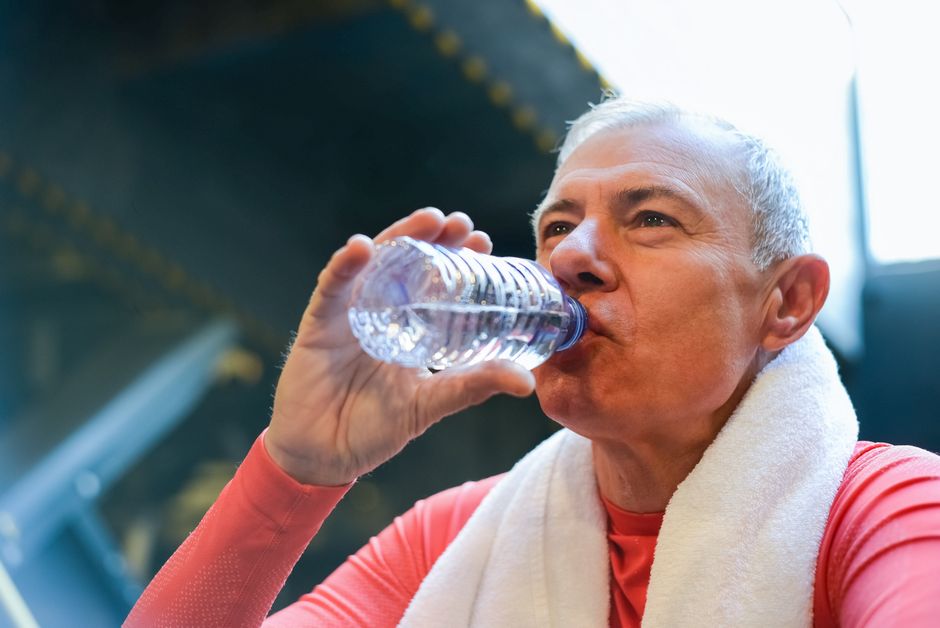
There is no specific amount of water that lowers blood pressure. Drinking enough water supports normal blood volume and kidney function, and staying well hydrated is part of basic cardiovascular health. But water is not a treatment for high blood pressure, and drinking extra beyond your thirst does not bring numbers down.
That answer surprises people. Hydration gets talked about as if it were a lever you can pull to fix blood pressure. It is not. The relationship between water and blood pressure is real, but it runs in a different direction than most people assume.
Does Drinking Water Lower Blood Pressure?
No. Drinking water does not lower blood pressure in any meaningful or lasting way. This is one of the clearest points in the research, and it is worth understanding why.
Water makes up most of your blood volume. When you drink, that volume rises slightly. More volume in the same vessels means slightly more pressure, not less. In healthy people, the kidneys and blood vessels adjust within minutes and pressure returns to baseline. The effect is small and temporary.
There is one exception worth knowing. Some people experience a small drop in blood pressure after drinking water, usually within about 30 minutes. Researchers call this postprandial hypotension when it happens after eating, and a similar water-induced response has been documented. It shows up most in older adults and people with certain nervous system conditions. It is not a reliable way to treat high blood pressure, and it can cause lightheadedness or fainting in people who are susceptible.
For most people with hypertension, water is neutral. It neither raises nor lowers pressure in a way that matters clinically. Anyone who tells you a certain number of glasses will bring your reading down is describing something the evidence does not support.
How Much Water Should I Drink To Lower Blood Pressure?
The honest answer is that no water intake has been shown to lower blood pressure. What you should aim for is normal hydration — enough to keep your body working properly. Not more, not less.
General guidance from national health authorities puts fluid needs at roughly 11 to 15 cups a day for adults, depending on sex, activity, climate, and diet. That includes water from food, which supplies a meaningful share for most people. These figures are about overall health, not blood pressure control.
Thirst is a reasonable guide for healthy adults. So is urine color — pale yellow suggests adequate hydration, while dark yellow suggests you could drink more. Very clear urine often means you are drinking more than you need.
Some situations do call for more deliberate attention to fluid intake:
- Hot weather or heavy sweating
- Vigorous exercise
- Fever, vomiting, or diarrhea
- Certain medications, including some diuretics
- Older age, when thirst signals become less reliable
None of these are about lowering blood pressure. They are about avoiding dehydration, which can cause its own problems.
Can Dehydration Raise Blood Pressure?
Dehydration can affect blood pressure, but the picture is more complicated than “drink more to fix it.” Severe dehydration reduces blood volume, which usually lowers pressure and can cause dizziness or fainting. Mild dehydration has been linked in some studies to small rises in blood pressure, though the findings are not consistent across research.
The body defends blood pressure tightly. When fluid drops, the kidneys release hormones that help hold onto sodium and water. Blood vessels may narrow. These are short-term adjustments, and they do not mean that chronic mild dehydration is a major cause of hypertension.
Where dehydration matters more is in how it interacts with medication. Diuretics — commonly prescribed for high blood pressure — increase urine output. If you become dehydrated while taking one, you can feel lightheaded and your kidney function can be stressed. This is a real concern and worth discussing with your doctor, especially in hot weather or during illness.
What Actually Lowers Blood Pressure?
Blood pressure responds to sustained changes in diet, activity, weight, and medication. Water is not on that list in any direct way. The interventions with the strongest evidence are well established.
Reducing sodium has a consistent effect on blood pressure for many people. The typical American diet contains far more sodium than the body needs, mostly from processed and restaurant food rather than the salt shaker.
Weight loss lowers blood pressure in people who carry extra weight. Even modest reductions can produce measurable changes.
Regular physical activity — aerobic exercise in particular — has a well-documented effect on blood pressure over weeks to months.
The DASH eating pattern, which emphasizes vegetables, fruits, whole grains, and low-fat dairy while limiting saturated fat and sodium, has been studied extensively and is associated with meaningful reductions in blood pressure.
Limiting alcohol matters. Heavy drinking raises blood pressure, and reducing intake can lower it.
Medication is appropriate for many people and is not a failure of lifestyle effort. Some cases of hypertension respond well to lifestyle alone. Others need medication to reach safe levels.
Notice what is missing from this list. Water intake does not appear as a treatment for high blood pressure in clinical guidelines. That is not an oversight. It reflects the absence of evidence that adjusting water intake changes blood pressure outcomes.
Can Drinking Too Much Water Be Harmful?
Yes. Drinking far more water than your kidneys can process can dilute the sodium in your blood to dangerous levels. This condition is called hyponatremia, and in severe cases it can cause confusion, seizures, and even death.
Hyponatremia from overdrinking is uncommon in everyday life but does happen. It has been documented in endurance athletes who drink large volumes during long events, and in people following extreme water-drinking regimens. It is also a risk in certain psychiatric conditions and with some medications.
For most healthy adults eating a normal diet, the kidneys handle fluid intake well. The risk rises when large amounts of water are consumed quickly, when sodium intake is very low, or when kidney function is impaired. People with heart failure or kidney disease may be advised to limit fluids, and that guidance comes from their doctors for good reason.
There is no health benefit to forcing extra water beyond thirst. More is not better here.
Does Water Help Blood Pressure Medications Work Better?
Staying hydrated supports normal kidney function, and the kidneys play a central role in blood pressure regulation. But there is no evidence that drinking more water makes blood pressure medications more effective.
What does matter is taking medications as prescribed and staying adequately hydrated so your body can handle them safely. Some blood pressure medications, particularly diuretics and ACE inhibitors, can affect fluid and electrolyte balance. Your doctor may monitor this with blood tests.
If you take a diuretic, ask your doctor whether you need to adjust fluid intake during hot weather or illness. That is a specific clinical question with a specific answer for your situation. It is not something to guess at.
The Bottom Line on Water and Blood Pressure
Drink when you are thirsty. Drink more in heat, during exercise, and when you are sick. Aim for pale yellow urine as a rough guide. That is sensible hydration, and it supports general health.
Do not expect it to lower your blood pressure. If you have hypertension, the steps that matter are the ones with decades of research behind them: less sodium, more movement, a healthier weight, less alcohol, and medication when it is needed.
Water is not a treatment. It is a basic requirement. Keeping that distinction clear protects you from wasting effort on something that will not move your numbers — and from missing the things that will.
Frequently Asked Questions
Does drinking more water lower blood pressure?
No. Drinking extra water beyond normal hydration has not been shown to lower blood pressure. Water briefly increases blood volume, and the body adjusts within minutes.
How many glasses of water should I drink a day for high blood pressure?
There is no glass count that treats high blood pressure. General hydration guidance for adults is roughly 11 to 15 cups of fluid daily from all sources, but this is for overall health, not blood pressure control.
Can dehydration cause high blood pressure?
Mild dehydration has been linked to small blood pressure changes in some studies, but findings are inconsistent. Severe dehydration usually lowers blood pressure and can cause dizziness.
Is it safe to drink a lot of water to lower blood pressure?
Drinking large amounts of water quickly can dilute blood sodium to dangerous levels, a condition called hyponatremia. There is no benefit to forcing extra water beyond thirst.
