
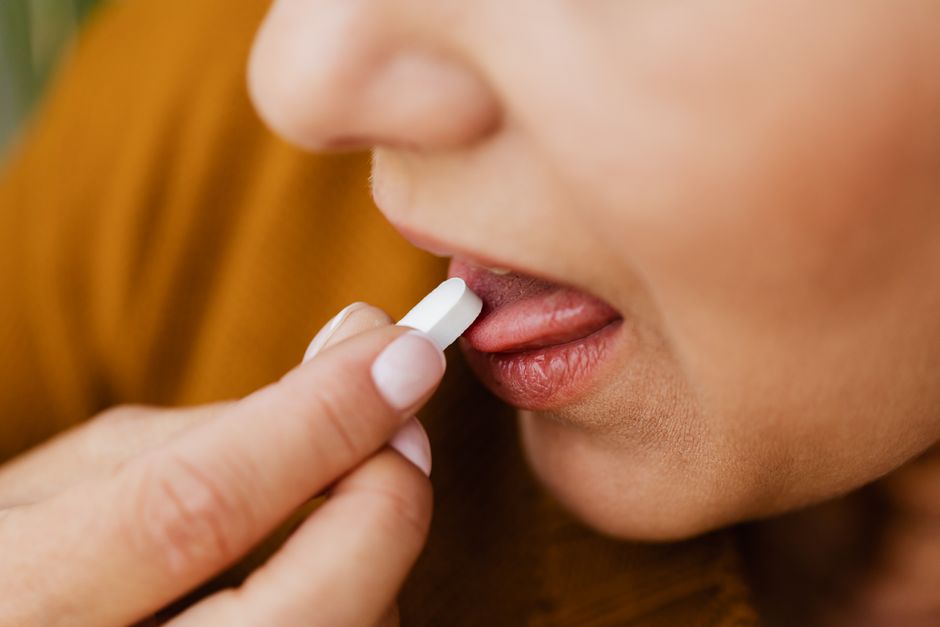
The maximum safe daily dose of acetaminophen (Tylenol) for most healthy adults is 3,000 milligrams (mg) per day, though some older labels still list 4,000 mg as the limit. For extra-strength Tylenol (500 mg per tablet), that means no more than 6 tablets in 24 hours. Never exceed this amount, and always check if your other medications also contain acetaminophen, as accidental overdose is the leading cause of acute liver failure in the United States.
How Much Tylenol Can I Take A Day Safe Limits for Different Strengths?
Tylenol comes in two main strengths over the counter. Regular strength has 325 mg per tablet. Extra strength has 500 mg per tablet. The safe daily limit for most adults is 3,000 mg total from all sources.
For regular strength Tylenol, that means a maximum of 9 tablets per day. For extra strength, the limit is 6 tablets per day. Some people can safely take up to 4,000 mg daily, but the FDA has pushed manufacturers to lower the recommended maximum to 3,000 mg to reduce overdose risk. You should never take more than 4,000 mg in 24 hours under any circumstances.
Children’s doses depend on weight, not age. The standard recommendation is 10 to 15 mg per kilogram of body weight every 4 to 6 hours. Never give a child more than 5 doses in 24 hours.
What Happens If You Take Too Much Tylenol?
Taking too much acetaminophen can cause serious liver damage, even death. The liver processes this drug, and when you exceed the safe limit, it produces a toxic byproduct that overwhelms the organ’s ability to protect itself. This damage may not cause immediate symptoms.
Early signs of overdose can be subtle or absent for 24 hours. Some people report nausea, vomiting, or stomach pain. Others feel fine until jaundice (yellowing of the skin and eyes) appears, which signals advanced liver injury. The CDC reports that acetaminophen overdose accounts for roughly 50,000 emergency room visits and 500 deaths each year in the United States.
If you suspect an overdose, go to the emergency room immediately. Do not wait for symptoms. Treatment with N-acetylcysteine is most effective when given within 8 hours of the overdose.
Do Other Medications Contain Acetaminophen?
Many people accidentally overdose because they take multiple products that all contain acetaminophen. It is a common ingredient in cold and flu medicines, sinus relief products, and prescription painkillers like Vicodin and Percocet.
Before taking any new medication, check the active ingredients list. Acetaminophen is sometimes listed as “APAP” or “acetaminophen” on labels. If you are already taking Tylenol, do not take NyQuil, DayQuil, Theraflu, or any product labeled “PM” without checking the acetaminophen content first. One dose of extra-strength Tylenol combined with a cold medicine can easily push you past the safe daily limit.
Research published in JAMA Internal Medicine found that nearly one in four people taking acetaminophen exceeded the 4,000 mg daily limit, mostly because they did not realize they were taking multiple acetaminophen-containing products.





How Long Can You Take Tylenol Safely?
Tylenol is intended for short-term use. For fever or mild pain, you should not take it for more than 10 consecutive days unless a doctor specifically tells you to. For chronic pain conditions, long-term daily use of acetaminophen is not well studied, and the risks may outweigh the benefits.
Some studies suggest that even at recommended doses, taking acetaminophen daily for months or years may increase the risk of liver enzyme elevations. A 2010 study in the Journal of the American Medical Association found that healthy adults taking 4,000 mg daily for 14 days showed elevated liver enzymes, though this was at the higher end of the dosing range. The risk is lower at 3,000 mg, but it is not zero.
If you need pain relief for more than a week, talk to your doctor. There may be safer options for long-term use, or an underlying condition that needs treatment.
Who Should Avoid Tylenol or Take Lower Doses?
People with existing liver disease, hepatitis, or a history of alcohol abuse should be especially careful with acetaminophen. The liver processes this drug, and a damaged liver cannot handle normal doses safely. If you have any liver condition, ask your doctor what dose is safe for you.
People who drink three or more alcoholic drinks daily are also at higher risk for liver damage from acetaminophen. Alcohol depletes glutathione, a compound the liver needs to safely break down the drug. Even moderate drinking combined with daily Tylenol use may increase risk, though the evidence is not fully settled.
Pregnant women can take acetaminophen at standard doses, but should use the lowest effective dose for the shortest time. The FDA classifies it as pregnancy category B, meaning animal studies show no risk, but human studies are limited. Some recent research has suggested a possible link between prenatal acetaminophen use and ADHD or autism in children, but these studies are observational and do not prove causation. The American College of Obstetricians and Gynecologists still considers acetaminophen the pain reliever of choice during pregnancy.
How Does Tylenol Compare to Ibuprofen or Aspirin?
| Drug | Safe Daily Limit (Adults) | Primary Risk | Best For |
|---|---|---|---|
| Acetaminophen (Tylenol) | 3,000 mg | Liver damage | Fever, mild pain, people who cannot take NSAIDs |
| Ibuprofen (Advil, Motrin) | 1,200 mg (OTC), up to 3,200 mg (prescription) | Stomach bleeding, kidney damage | Inflammation, muscle pain, menstrual cramps |
| Aspirin | 4,000 mg (pain), 81-325 mg (heart) | Stomach bleeding, Reye’s syndrome in children | Heart attack prevention, inflammation |
| Naproxen (Aleve) | 660 mg (OTC) | Stomach bleeding, kidney damage | Arthritis, long-lasting pain |
Each pain reliever has different risks and benefits. Tylenol is generally safer for the stomach than ibuprofen or aspirin, but it does not reduce inflammation. For muscle sprains, arthritis, or injuries involving swelling, ibuprofen or naproxen may work better. For fever or headache, Tylenol and ibuprofen are equally effective.
Never take two different pain relievers from the same category at the same time. You can alternate Tylenol and ibuprofen every few hours for stronger pain relief, but keep a written log of what you took and when to avoid accidental overdose of either drug.
Common Misconceptions About Tylenol Safety
Many people believe Tylenol is completely harmless because it is available without a prescription. This is not true. At high doses, it is one of the most dangerous common medications. The wide safety margin people assume does not exist.
Another widespread myth is that taking Tylenol with food protects the liver. Food does not reduce the liver toxicity of acetaminophen. It may help with stomach upset, but it does nothing to prevent liver damage from an overdose. Only staying within the safe dose range protects the liver.
Some people think they can safely take Tylenol the morning after drinking heavily. While the alcohol may have left your system, the liver’s ability to process acetaminophen may still be compromised for up to 24 hours after heavy drinking. The safest approach is to avoid Tylenol entirely for at least 24 hours after heavy alcohol use.
Frequently Asked Questions
Can I take 2 extra strength Tylenol every 4 hours?
No, that would total 6,000 mg in 24 hours, which is double the safe limit and can cause severe liver damage. Take no more than 2 tablets every 6 hours.
Is it safe to take Tylenol and ibuprofen together?
Yes, you can alternate them every 3 to 4 hours, but keep a written record of every dose. Never take both at the exact same time without a doctor’s approval.
What should I do if I accidentally take too much Tylenol?
Go to the emergency room immediately, even if you feel fine. Bring the medication bottle with you. Treatment is most effective within 8 hours of the overdose.
Can I take Tylenol on an empty stomach?
Yes, Tylenol does not irritate the stomach lining like ibuprofen or aspirin. Food does not affect how well it works or how the liver processes it.
