
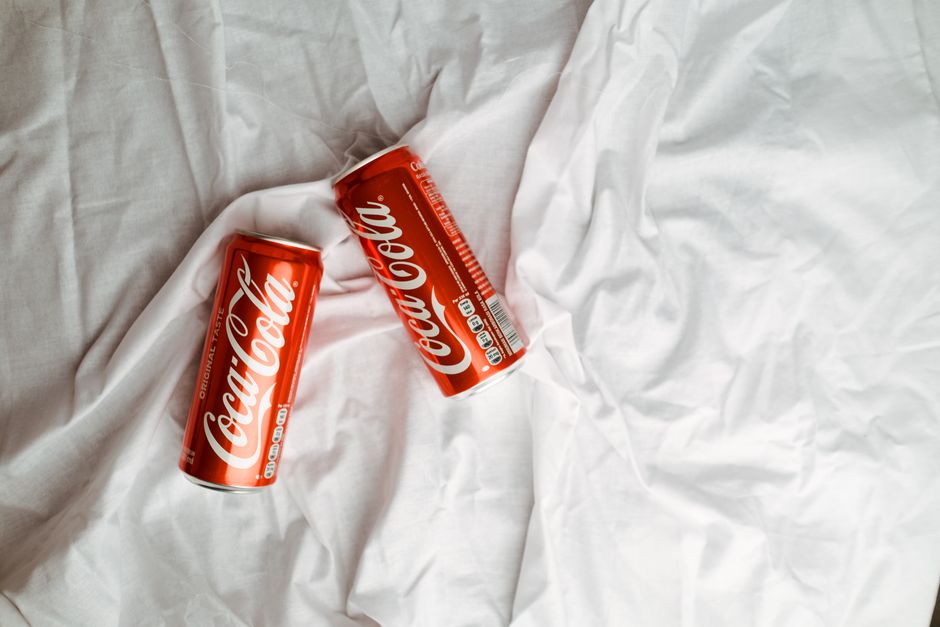
A 12-ounce can of regular soda contains about 39 grams of sugar. That is roughly 10 teaspoons, or more than the entire daily added sugar limit the American Heart Association recommends for most adults. The limit is 36 grams per day for men and 25 grams for women. One can of soda can put you over that line before you eat anything.
Sugar-sweetened soda is one of the largest single sources of added sugar in the US diet. The sugar itself matters, but so does the form it comes in. Liquid sugar absorbs fast, adds calories without making you feel full, and offers no nutritional value. This guide covers how much sugar is in different sodas, what it does in the body, and what the research does and does not show.
How Much Sugar Soda Contains, by Type and Size
A standard 12-ounce can of regular cola has about 39 grams of sugar. Most major brands land in the same range. The exact number varies by product and serving size, and larger bottles often hold two or more servings.
Here is how common soda sizes compare, using typical values from product nutrition labels:
- 12-ounce can: about 39 grams of sugar, roughly 140 calories
- 20-ounce bottle: about 65 grams of sugar, roughly 240 calories
- 1-liter bottle: about 108 grams of sugar, roughly 400 calories
Those numbers are for regular cola. Fruit-flavored sodas, root beer, and some citrus sodas can run slightly higher or lower. Check the label. The serving size on the bottle is often smaller than the bottle itself, so a 20-ounce bottle may list two or more servings.
How Many Teaspoons of Sugar Are in a Can of Soda?
One 12-ounce can of regular soda holds about 10 teaspoons of sugar. Four grams of sugar equals one teaspoon, so 39 grams works out to just under 10 teaspoons.
To picture that, think of a standard teaspoon from your kitchen drawer. Now picture filling it 10 times. That is what goes into a single can.
The size surprise catches people. A 20-ounce bottle holds about 16 teaspoons. A 1-liter bottle holds about 27 teaspoons. Many people drink a 20-ounce bottle in one sitting without thinking of it as a large amount of sugar.
How Does Soda Sugar Compare to the Daily Limit?
The American Heart Association recommends that men limit added sugar to 36 grams per day and women to 25 grams per day. Children should get even less.
One 12-ounce can of regular soda delivers 39 grams. That exceeds the daily limit for women and children in a single drink. For men, one can uses up the entire day’s allowance with 3 grams to spare.
Added sugar is not just in soda. It shows up in bread, salad dressing, flavored yogurt, cereal, and coffee drinks. If a can of soda already fills or exceeds the daily limit, there is little room left for anything else.
The World Health Organization takes a firmer position. It recommends that free sugars make up less than 10% of total daily calories, and suggests aiming below 5% for extra health benefit. For someone eating 2,000 calories a day, 5% works out to about 25 grams. A single can of soda exceeds that.
What Happens in Your Body When You Drink a Sugary Soda?
Liquid sugar reaches the bloodstream quickly. Unlike a meal that must be broken down, the sugar in soda needs little digestion. Blood glucose rises fast, and the pancreas releases insulin to move that glucose into cells.
This is normal physiology. The concern is what happens when it repeats often. Frequent spikes in blood glucose and insulin put steady demand on the body’s ability to manage blood sugar.
Liquid calories also do not trigger the same fullness signals as solid food. Research consistently shows that people do not fully compensate for calories drunk by eating less later. That is a key reason sugary drinks are linked to weight gain in a way that solid sugar sources are not.
There is also the fructose angle. About half the sugar in regular soda is fructose, which is processed mainly in the liver. Large amounts of fructose over time can contribute to fat buildup in the liver. This is well established as a mechanism, though the size of the effect depends on total diet and how much someone drinks.
Is Diet Soda a Better Choice?
Diet soda removes the sugar and calories. That makes it a different product with a different evidence base, and the research on it is genuinely mixed.
Diet drinks do not raise blood glucose the way regular soda does. For someone trying to cut sugar and calories, switching from regular to diet soda reduces sugar intake to near zero. That part is straightforward.
What is less clear is whether diet soda helps with long-term weight control or has other health effects. Some studies suggest an association between diet soda and weight gain or metabolic changes, but these studies are observational. They cannot prove diet soda caused the outcomes. People who drink diet soda may differ from those who do not in ways researchers cannot fully account for.
The honest position: diet soda is not sugar, and it is not water. The evidence does not support calling it a health drink, and it does not clearly show it causes harm in moderate amounts. Water remains the simplest choice.
How Much Sugar Is Too Much?
There is no single number that applies to everyone. The American Heart Association limits are a practical guide for added sugar from all sources, not just soda.
The bigger picture matters more than any one drink. A person who has one soda a week is in a different position from someone who has three a day. Frequency and total amount both count.
What the research does show clearly is that regularly drinking sugar-sweetened beverages is linked to weight gain, type 2 diabetes, and dental cavities. The link to type 2 diabetes and weight gain is strong across many large studies. The link to heart disease is supported but more complex, since weight and diabetes are part of that pathway.
Sugar also feeds the bacteria that cause tooth decay. Sipping soda slowly throughout the day keeps teeth bathed in sugar and acid, which is harder on enamel than drinking it quickly with a meal.
What Are the Alternatives to Sugary Soda?
Water is the obvious choice and the one with no sugar and no calories. Sparkling water gives the fizz without the sugar. Many people find that the carbonation, not the sweetness, is what they were actually after.
Unsweetened tea, coffee, and flavored seltzers are other options. If you want something sweet, a small amount of juice mixed with sparkling water cuts the sugar substantially compared with a full soda.
For people who want to reduce soda gradually, some practical steps help:
- Switch from a 20-ounce bottle to a 12-ounce can to cut sugar by about 40%
- Replace one soda a day with sparkling water and keep the rest
- Read labels on bottles, since one bottle often contains more than one serving
- Drink soda with a meal rather than sipping it all day, to limit acid exposure to teeth
None of these is a treatment or a guarantee. They are ways to lower sugar intake, and how much they help depends on the rest of the diet.
Frequently Asked Questions
How many grams of sugar are in one can of soda?
A standard 12-ounce can of regular soda has about 39 grams of sugar, which is roughly 10 teaspoons. Larger bottles contain more, and a 20-ounce bottle has about 65 grams.
Is 39 grams of sugar a lot for one day?
Yes. The American Heart Association recommends no more than 36 grams of added sugar per day for men and 25 grams for women, so one can exceeds the limit for women and nearly fills it for men.
Does diet soda have sugar?
No, diet soda is sweetened with non-caloric sweeteners and contains little to no sugar. The long-term health effects of diet soda are still debated, and the evidence is mixed.
Is it OK to drink one soda a day?
One soda a day exceeds recommended added sugar limits for most people and adds about 140 calories. Regular daily soda is linked to weight gain and type 2 diabetes, so less frequent intake is generally better.
