
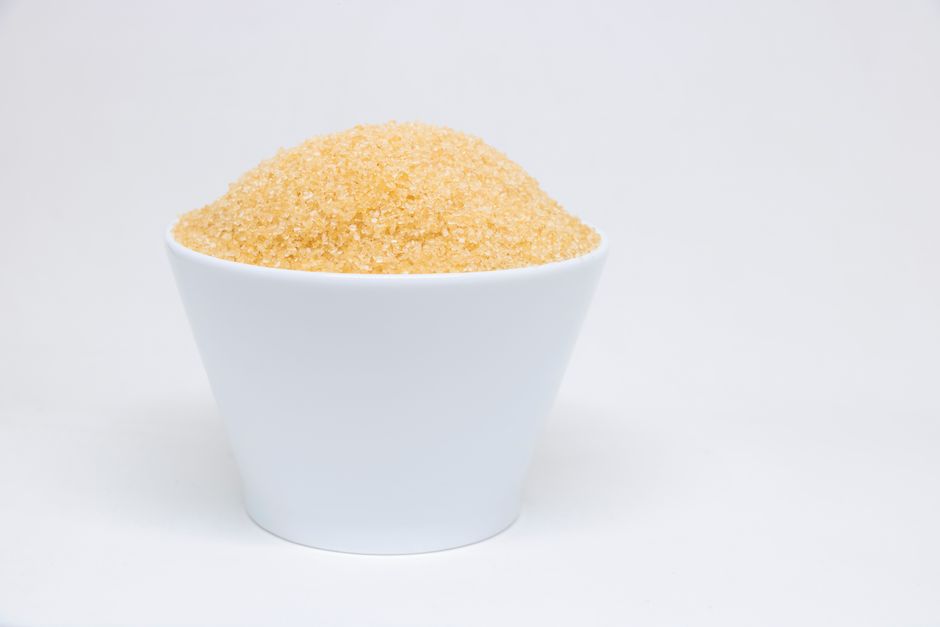
Sweetened condensed milk contains about 22 grams of sugar per tablespoon, or roughly 338 grams of sugar per 100-gram serving. That works out to about 54% sugar by weight. A standard 14-ounce can holds around 44 tablespoons, which means the entire can contains close to 1 cup of added sugar.
Most of that sugar is added sucrose. The product is made by removing water from milk and stirring in sugar until it becomes thick and syrupy. The result is a shelf-stable ingredient that shows up in pie fillings, coffee drinks, and desserts worldwide — and a small serving delivers a large share of a person’s daily added sugar limit.
How Much Sugar Is In Sweetened Condensed Milk, Exactly?
By weight, sweetened condensed milk is roughly 54% sugar. That number comes directly from USDA nutritional data, which lists about 54 grams of total sugar in every 100 grams of the product.
Here is what that looks like in the amounts people actually use:
- 1 tablespoon: about 22 grams of sugar
- 2 tablespoons: about 44 grams of sugar
- ¼ cup (4 tablespoons): about 88 grams of sugar
- ½ cup (8 tablespoons): about 176 grams of sugar
- 1 full 14-ounce can: roughly 338 grams of sugar, close to 1 cup
For comparison, a 12-ounce can of regular cola contains about 39 grams of sugar. Two tablespoons of sweetened condensed milk deliver slightly more sugar than that entire can of soda.
How Does That Compare To The Daily Limit For Added Sugar?
The American Heart Association recommends that women limit added sugar to no more than 25 grams per day and men to no more than 36 grams per day. Those figures are for added sugars specifically, not the naturally occurring sugars in fruit or plain milk.
Against those limits, a single tablespoon of sweetened condensed milk uses up most of a woman’s daily allowance and more than half of a man’s. Two tablespoons exceed both limits on their own.
The Dietary Guidelines for Americans recommend keeping added sugars below 10% of total daily calories. For someone eating 2,000 calories a day, that equals 50 grams — a higher ceiling than the heart association’s, but still well under the sugar in a quarter cup of this product.
One clarification worth making: the sugar in sweetened condensed milk is almost entirely added sucrose. The milk itself contributes a small amount of natural lactose, but the vast majority is sugar that was stirred in during manufacturing. That distinction matters because added sugars are the ones tied to the health concerns below.
Why Is There So Much Sugar In It?
The sugar is not there for flavor alone. It is a preservative. High sugar concentrations pull water away from bacteria and mold, which prevents them from growing. That is why an unopened can of sweetened condensed milk stays stable at room temperature for years, while evaporated milk — the unsweetened version — must be refrigerated after opening and has a much shorter shelf life.
The manufacturing process removes about 60% of the water from milk, then adds sugar to create a thick, dense liquid. The high sugar content also affects texture and browning. When heated, the sugar and milk proteins react to create the caramel color and flavor found in desserts like dulce de leche.
This is why you cannot simply swap in regular milk plus a little sugar. The concentration is what makes the ingredient work the way it does in recipes.
Is Sweetened Condensed Milk The Same As Evaporated Milk?
No. They look similar in the can but behave very differently. Evaporated milk is concentrated milk with no added sugar. Sweetened condensed milk has sugar added, and that changes everything from sweetness to browning to shelf stability.
| Feature | Sweetened Condensed Milk | Evaporated Milk |
|---|---|---|
| Sugar per ¼ cup | About 88 grams | About 7 grams (natural lactose only) |
| Added sugar | Yes, substantial | None |
| Storage after opening | Refrigerate | Refrigerate |
| Common use | Desserts, coffee, candy | Cooking, baking, coffee |
Swapping one for the other in a recipe will not work without adjustments. Substituting evaporated milk for sweetened condensed milk means you need to add sugar and account for the extra liquid. Going the other direction means reducing sugar and liquid elsewhere. Recipe developers test these conversions carefully for a reason.
Does The Sugar Content Affect Health?
Regularly eating large amounts of added sugar is linked to weight gain, type 2 diabetes, and heart disease. That link is well established in large population studies and is the basis for the added sugar limits set by major health organizations.
The sugar in sweetened condensed milk is the same sucrose found in table sugar. Your body processes it the same way. There is nothing uniquely harmful about the sugar in this product compared with other added sugars — the issue is quantity and how often it is eaten.
For most people, an occasional dessert made with sweetened condensed milk is not a health concern. The bigger issue is daily use in coffee or habitual snacking, where the sugar adds up quickly without much nutritional benefit. Sweetened condensed milk does provide some calcium and protein from the milk, but the amounts are small relative to the sugar load.
People with diabetes need to account for the carbohydrate content carefully. A single tablespoon contains about 22 grams of sugar and roughly 22 grams of total carbohydrate, which is significant for blood sugar management. People managing their weight or blood sugar may want to treat this ingredient as a concentrated sugar source rather than a dairy product.
Are There Lower-Sugar Alternatives?
Several products are marketed as reduced-sugar or sugar-free condensed milk. They typically replace sucrose with sugar alcohols or artificial sweeteners. The sugar alcohol maltitol is common, and it can cause digestive discomfort in some people when eaten in larger amounts.
These alternatives are not necessarily healthier in a meaningful sense. The evidence on whether artificial sweeteners help with weight control is mixed, and some studies suggest they may not deliver the benefits people expect. If you are using a reduced-sugar version, check the label for total carbohydrates and sugar alcohols, not just the sugar line.
A simpler approach for many recipes is to use less sweetened condensed milk overall or to combine it with unsweetened ingredients that dilute the sugar concentration. In coffee, for example, a splash of regular milk with a small amount of sweetened condensed milk gives sweetness with far less sugar than using the condensed milk alone.
No clinical guidelines currently exist for how much sweetened condensed milk is safe to eat. The general guidance on added sugar applies: keep total added sugar within recommended daily limits and treat concentrated sugar sources as occasional rather than everyday.
Frequently Asked Questions
How much sugar is in one tablespoon of sweetened condensed milk?
About 22 grams of sugar per tablespoon, based on USDA data showing roughly 54 grams of sugar per 100 grams of product. That is more than half of a woman’s recommended daily added sugar limit.
How much sugar is in a whole can of sweetened condensed milk?
A standard 14-ounce can contains roughly 338 grams of sugar, which is close to 1 full cup. Most recipes use only part of a can, so the per-serving amount is what matters most.
Is sweetened condensed milk healthier than regular sugar?
No, the sugar in it is the same sucrose found in table sugar. It does contain small amounts of calcium and protein from milk, but not enough to offset the sugar content.
Can people with diabetes eat sweetened condensed milk?
They can, but it needs to be counted carefully as carbohydrate because one tablespoon contains about 22 grams of sugar. A doctor or dietitian can advise on how it fits into an individual meal plan.
