
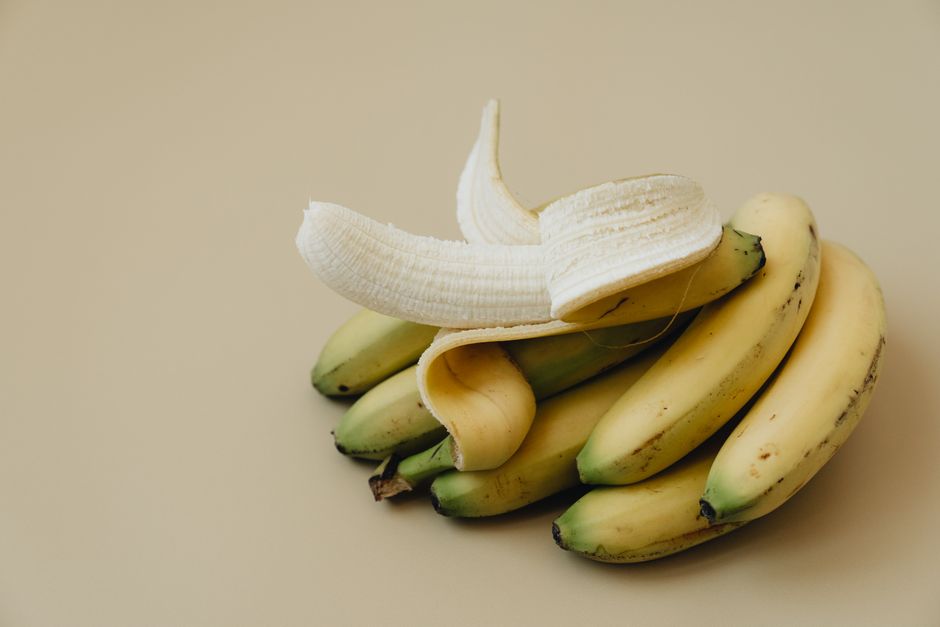
A medium banana contains about 14 grams of sugar. That is a natural sugar called fructose, not added sugar. The amount changes with size and ripeness, but a typical banana is not a high-sugar food compared to many processed snacks.
How Much Sugar Is in a Banana by Size?
The sugar content in a banana depends mostly on its size. A small banana that is about 6 inches long has roughly 9 to 10 grams of sugar. A medium banana, about 7 to 8 inches long, contains about 14 grams. A large banana, over 9 inches long, can contain 17 to 18 grams.
These numbers come from standard USDA nutritional data. The exact amount varies slightly from one fruit to another, but the range is consistent. If you are counting sugar for a health condition, weigh the banana or use the size estimates above.
Does Ripeness Change the Sugar Content?
Yes, ripeness changes the sugar content significantly. A green banana has more starch and less sugar. As the banana ripens, the starch converts into sugar. A fully ripe banana with brown spots contains more sugar than a green one of the same size.
The total carbohydrate count stays roughly the same. What changes is the form. Green bananas are mostly resistant starch, which digests slowly. Ripe bananas are mostly simple sugars, which enter the bloodstream faster. This is why ripe bananas taste sweeter and have a higher glycemic effect.
For most people, this difference is not a health concern. But for someone with diabetes or insulin resistance, a greener banana may be a better choice because it raises blood sugar more slowly.
Sugar in Banana vs. Other Fruits
Bananas are not unusually high in sugar compared to other fruits. A medium banana has about 14 grams of sugar. A medium apple has about 19 grams. A cup of grapes has about 23 grams. A cup of mango chunks has about 23 grams.
Fruits that are lower in sugar include berries and citrus. A cup of strawberries has about 7 grams of sugar. Half a grapefruit has about 9 grams. These are good options if you want to limit sugar intake while still eating fruit.
The key point is that bananas are moderate, not extreme, in sugar content. They sit in the middle of the fruit spectrum.




Is the Sugar in Bananas Bad for You?
The sugar in bananas is naturally occurring, not added sugar. This distinction matters. Added sugars are linked to weight gain, metabolic problems, and heart disease. Naturally occurring sugars in whole fruit come packaged with fiber, water, and nutrients that slow absorption.
A medium banana provides about 3 grams of fiber. Fiber slows the release of sugar into your bloodstream. This means the sugar in a banana does not spike blood glucose the way an equal amount of table sugar would.
Bananas also contain potassium, vitamin B6, vitamin C, and magnesium. These nutrients are part of why whole fruit is considered healthy despite containing sugar. The evidence consistently links whole fruit consumption to lower risk of chronic disease, not higher risk.
The concern about banana sugar applies mainly to people with diabetes or prediabetes. Even then, bananas can fit into a balanced meal plan. Portion size and pairing with protein or fat matter more than avoiding bananas entirely.
Banana Sugar vs. Added Sugar in Processed Foods
Comparison matters when evaluating sugar. A medium banana has 14 grams of natural sugar. A single glazed donut has about 15 grams of added sugar. A 12-ounce can of regular soda has about 39 grams of added sugar.
The difference is not just the amount but the source. Added sugar provides calories with no nutritional benefit. The sugar in a banana comes with fiber, potassium, and other nutrients. Your body processes them differently.
Some nutrition guidelines suggest limiting added sugar to less than 10 percent of daily calories. For a 2,000-calorie diet, that is about 50 grams of added sugar per day. The sugar in a banana does not count toward this limit because it is not added sugar.
This does not mean you can eat unlimited bananas. But it does mean a banana is not equivalent to a candy bar or a sugary drink in terms of health effects.
How Bananas Affect Blood Sugar
Bananas have a glycemic index (GI) that ranges from about 42 to 62, depending on ripeness. The GI measures how quickly a food raises blood sugar compared to pure glucose. Values under 55 are considered low. Values from 56 to 69 are medium.
A less ripe banana falls in the low range. A fully ripe banana falls in the low-to-medium range. This means bananas do not cause rapid blood sugar spikes for most people.
The glycemic load (GL) is another useful measure. It accounts for both the GI and the amount of carbohydrate in a serving. A medium banana has a glycemic load of about 11, which is considered low to moderate. For comparison, a serving of white rice has a glycemic load of about 24.
For people with diabetes, the American Diabetes Association does not list bananas as off-limits. The guidance is to manage portion sizes and monitor blood sugar response individually. Some people tolerate bananas well, others do not. Testing your own blood sugar response is the most reliable way to know.
How Much Sugar Should You Eat Per Day?
Established guidelines recommend limiting added sugar, not total sugar from whole foods. The World Health Organization suggests keeping added sugar below 10 percent of daily calories. The Dietary Guidelines for Americans have the same recommendation.
For a 2,000-calorie diet, 10 percent equals about 50 grams of added sugar per day. Some organizations suggest a stricter limit of 25 grams per day for added sugar, based on evidence linking lower intake to better health outcomes.
There is no official daily limit for naturally occurring sugar in whole fruit. This is because no evidence shows that eating whole fruit in normal amounts causes harm. The fiber and water content in fruit promote fullness and slow sugar absorption.
If you are eating a banana or two per day as part of a diet that includes vegetables, protein, and whole grains, the sugar content is not a concern. Problems arise when sugar comes from processed foods and sugary drinks, not from whole fruit.
Practical Tips for Including Bananas in Your Diet
If you want to manage sugar intake while still eating bananas, consider these evidence-based approaches:
- Choose less ripe bananas if you have diabetes or prediabetes. Green bananas have more resistant starch and less sugar.
- Pair a banana with protein or fat, such as peanut butter or yogurt. This slows digestion and blunts blood sugar response.
- Watch portion size if you are counting carbohydrates. Half a banana is a reasonable serving for someone on a low-carb meal plan.
- Use bananas as a substitute for added sugar in baking. Mashed ripe banana can replace some sugar in recipes, though it changes texture and moisture.
These strategies are based on standard dietary guidance for blood sugar management. They are not medical advice for a specific condition. If you have diabetes, work with your healthcare provider to determine how bananas fit into your meal plan.
Frequently Asked Questions
How much sugar is in a medium banana?
A medium banana, about 7 to 8 inches long, contains about 14 grams of sugar. This is natural sugar, not added sugar.
Are bananas too high in sugar for diabetics?
Bananas can fit into a diabetic meal plan in moderate portions. Less ripe bananas have a lower glycemic effect and are generally better tolerated.
Do ripe bananas have more sugar than green bananas?
Yes, ripe bananas have more sugar because starch converts to sugar as the fruit ripens. The total carbohydrate content stays about the same.
Is the sugar in a banana the same as table sugar?
No, banana sugar is naturally occurring and comes with fiber and nutrients that slow absorption. Table sugar is added sugar with no nutritional benefit.
