
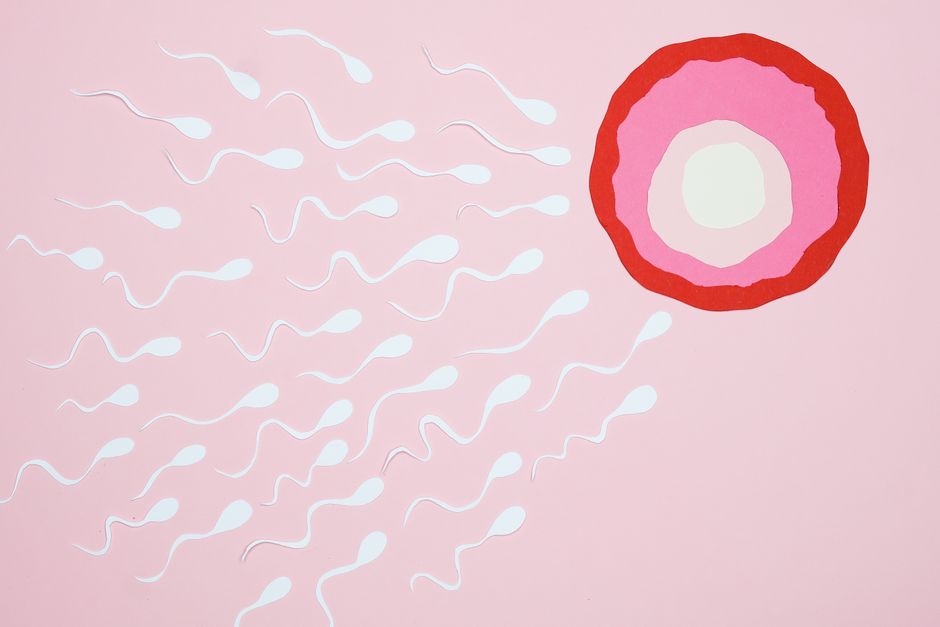
Semen is mostly fluid, not sperm. Sperm cells make up only a small fraction of the total volume of ejaculate — typically somewhere around 1% to 5%. The rest is seminal fluid produced by the prostate, seminal vesicles, and other glands. A normal ejaculate volume is roughly 1.5 milliliters or more, and a normal sperm count is at least 15 million sperm per milliliter. Those two numbers come from the World Health Organization’s semen analysis reference values, and they are the benchmarks labs use worldwide.
How Much Sperm Is Actually In Semen?
By volume, sperm is a minor ingredient. The typical ejaculate contains somewhere in the range of 1% to 5% sperm cells by volume. The remaining 95% or more is fluid that nourishes, protects, and transports the sperm.
By count, the numbers are large. A single ejaculate with a normal sperm concentration and normal volume can contain tens of millions to a few hundred million sperm cells. That sounds enormous, and it is — but it reflects how inefficient the journey is. Most sperm do not survive the trip through the cervix, uterus, and fallopian tubes. Only a tiny fraction ever reach the egg.
Here is a point that surprises many people: sperm count and semen volume are not the same thing. A man can have a normal volume of ejaculate and a low sperm concentration, or a low volume with a normal concentration. That is why a semen analysis measures several separate parameters rather than one.
What Does a Normal Semen Analysis Look Like?
A semen analysis is the main lab test for male fertility. It measures several values, and the World Health Organization publishes reference limits that define the lower end of what is considered normal. These are not targets for optimal fertility — they are thresholds below which a result is flagged as outside the reference range.
| Parameter | WHO Reference Limit (lower end of normal) |
|---|---|
| Semen volume | 1.5 mL or more |
| Sperm concentration | 15 million per mL or more |
| Total sperm number per ejaculate | 39 million or more |
| Total motility (movement) | 40% or more |
| Progressive motility | 32% or more |
| Normal morphology (shape) | 4% or more |
That morphology figure of 4% catches people off guard. It does not mean 96% of sperm are defective in a meaningful way. The strict scoring method used in labs is demanding about shape, and a small percentage of perfectly formed sperm is considered normal. A result at or above 4% is within the reference range.
These values describe a population reference, not an individual guarantee. A man below a threshold is not automatically infertile, and a man above it is not automatically fertile. Fertility depends on both partners and many factors a single test cannot capture.
What Affects Sperm Count and Semen Volume?
Many things shift sperm production and ejaculate volume, and most of them are not permanent. Sperm production is a continuous process that takes roughly two to three months from start to finish, which is why changes in lifestyle or health often take weeks to show up in a test.
Factors that can lower sperm count or volume include:
- Heat exposure. The testicles sit outside the body because sperm production works best a few degrees below core body temperature. Prolonged heat — from hot tubs, saunas, or tight clothing — can temporarily suppress production.
- Smoking and heavy alcohol use. Both are associated with lower sperm quality in research.
- Weight and metabolic health. Obesity and poorly controlled diabetes are linked to lower sperm parameters.
- Medications and medical conditions. Some drugs, hormone disorders, and prior infections or surgeries affecting the reproductive tract can lower count.
- Time since last ejaculation. Longer abstinence increases volume up to a point, then sperm quality can decline. Labs usually ask for a specific abstinence window before testing.
- Age. Sperm production continues into older age, but some studies suggest quality declines gradually over decades.
One clarification worth making: wearing tight underwear or using a laptop on your lap has been studied, and the evidence for a meaningful effect on fertility is weak. Heat matters in the aggregate, but a single everyday habit is unlikely to be the deciding factor.
Does More Semen Mean More Sperm?
No. Volume and concentration are separate measurements, and a large ejaculate does not guarantee a high sperm count. Seminal fluid comes mostly from the seminal vesicles and prostate, and its production is not tightly linked to how many sperm the testicles are making.
This is why a lab reports both volume and concentration. A man with a large volume but low concentration may have a normal total sperm number per ejaculate, because total count is volume multiplied by concentration. Conversely, a small volume with high concentration can still produce an adequate total. The total number per ejaculate — not volume alone — is the more meaningful figure.
There is also a common misconception that semen volume reflects virility or testosterone levels. It does not reliably do either. Volume varies from day to day based on hydration, time since last ejaculation, and other ordinary factors.
What If Sperm Count Is Low?
A low result on one semen analysis is not a diagnosis. Sperm counts fluctuate, and a single test can be misleading. Clinical practice generally involves repeating the analysis after an interval before drawing conclusions, and evaluating both partners rather than the man alone.
When low sperm count is confirmed, the cause is not always identifiable. Some cases trace to hormone problems, blockages, varicocele (enlarged veins in the scrotum), infections, or genetic factors. Others are classified as unexplained. A doctor typically reviews medical history, medications, and hormone levels before deciding on next steps.
Treatment options depend entirely on the cause. Some correctable issues respond to specific interventions, while others are managed through assisted reproduction. No single supplement or lifestyle change has been shown in strong trials to reliably raise sperm count in men with confirmed low counts. Some clinicians recommend lifestyle changes and antioxidant supplements, but the evidence for supplements specifically is limited and results vary.
Anyone concerned about fertility should see a doctor rather than rely on at-home tests or online claims. A proper evaluation is straightforward and gives real information.
What Semen Color and Consistency Can Tell You
Semen is usually whitish, grayish, or slightly yellow, and it can range from thick to watery. Consistency changes with time since last ejaculation and hydration. None of this is a reliable fertility measure on its own.
Some changes are worth mentioning to a doctor. Pink, red, or brown semen can indicate blood, which is usually benign but should be checked. Yellow or green semen, especially with pain or fever, can suggest infection. Very watery semen is common and not by itself a sign of low sperm count. Persistent pain with ejaculation, blood in semen that does not clear, or a noticeable change in volume that lasts should prompt a medical visit.
These signs do not diagnose anything on their own. A doctor can determine whether further testing is needed.
Frequently Asked Questions
How much sperm is in one ejaculation?
A normal ejaculate contains at least 39 million total sperm, though typical counts are often higher. Sperm cells make up only about 1% to 5% of the total semen volume.
Is 1 ml of semen enough to get pregnant?
Pregnancy is possible with a low volume, but volume below 1.5 mL is outside the WHO reference range and may warrant evaluation. A doctor can assess whether the total sperm number is adequate.
Does watery semen mean low sperm count?
No, watery semen is common and does not reliably indicate low sperm count. Only a semen analysis can measure sperm concentration and total count.
How long does it take to improve sperm count?
Sperm production takes roughly two to three months, so changes from lifestyle or treatment typically show up over that timeframe. Improvement is not guaranteed, and results vary by cause.
