
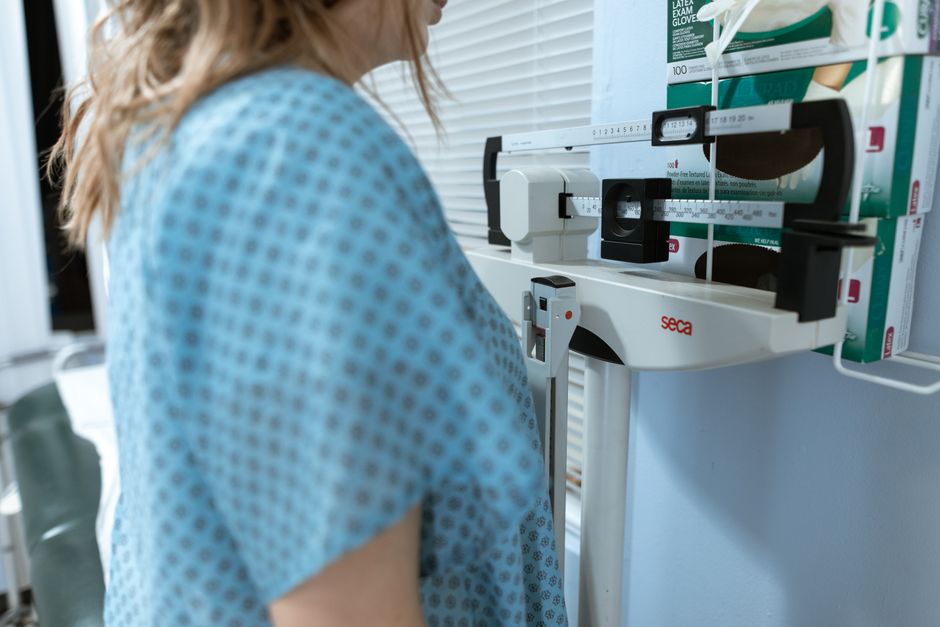
There is no single “correct” weight for a 22-year-old female of a given height, but there is a well-established healthy range based on Body Mass Index (BMI). For most adults, a BMI between 18.5 and 24.9 is considered a healthy weight range. This translates to different pound ranges depending on your height, and the calculations below give you those exact numbers.
How Much Should A 22 Year Old Female Weigh By Height?
For a 22-year-old female, the healthy weight range is determined by height using the same BMI standards applied to all adult women. At 5 feet 4 inches tall, a healthy weight falls between 110 and 140 pounds. At 5 feet 6 inches, the range is 118 to 148 pounds. At 5 feet 8 inches, the healthy range is 126 to 154 pounds.
These ranges are based on the BMI categories established by the Centers for Disease Control and Prevention and the World Health Organization. A BMI below 18.5 is classified as underweight, while a BMI of 25.0 to 29.9 is considered overweight. A BMI of 30.0 or higher is classified as obesity.
Age itself does not change the healthy BMI range for adults. A 22-year-old woman and a 45-year-old woman of the same height share the same general healthy weight range, though body composition and muscle mass can shift where an individual feels and functions best within that range.
Healthy Weight Ranges by Height
The following table shows the healthy weight range for adult women at common heights. These numbers come directly from standard BMI calculations and are not estimates.
| Height | Healthy Weight Range (BMI 18.5–24.9) |
|---|---|
| 4’10” (147 cm) | 90–115 lbs |
| 5’0″ (152 cm) | 95–125 lbs |
| 5’2″ (157 cm) | 105–130 lbs |
| 5’4″ (163 cm) | 110–140 lbs |
| 5’6″ (168 cm) | 118–148 lbs |
| 5’8″ (173 cm) | 126–154 lbs |
| 5’10” (178 cm) | 135–165 lbs |
| 6’0″ (183 cm) | 140–175 lbs |
These ranges are broad because healthy bodies come in many shapes. A woman at the lower end of the range may be naturally slender. A woman at the upper end may carry more muscle. Both can be perfectly healthy.
Why BMI Is Not the Whole Story
BMI is a screening tool, not a diagnostic measure. It calculates weight relative to height but does not distinguish between muscle, fat, bone, and water. A muscular woman can have a BMI in the overweight range while having very low body fat. Conversely, a woman with a normal BMI can carry excess fat around her organs, which carries its own health risks.
Research consistently shows that waist circumference and body fat distribution matter for health outcomes. Fat stored around the abdomen is more strongly linked to metabolic disease than fat stored in the hips and thighs. For women, a waist measurement above 35 inches is considered elevated risk for conditions like type 2 diabetes and heart disease.
At 22, many women are still finishing physical development. Bone density continues to build into the late 20s. Some women naturally gain a few pounds in their early 20s as their bodies mature, and this can be completely normal.





How Weight Changes in Your Early 20s
Metabolic changes in the early 20s are often overstated in popular media. The dramatic “metabolism slows down at 25” claim is not supported by strong evidence. Research suggests metabolism remains relatively stable from age 20 to around age 60.
What does change is lifestyle. Many women transition from high school or college activity levels to more sedentary work schedules. Daily steps drop. Scheduled sports end. Meal routines shift. These behavioral changes, not age-related metabolic decline, account for most weight gain in the early 20s.
Strength training becomes increasingly important during this decade. Muscle mass peaks in the mid-20s and slowly declines without regular resistance exercise. Maintaining muscle supports a healthy metabolism and helps keep body fat within a healthy range.
When Weight Outside the Healthy Range Matters
A weight below the healthy BMI range can indicate undernutrition or an eating disorder. For young women, being underweight is linked to menstrual irregularities, low bone density, and fertility problems. If you are underweight and losing weight without trying, that warrants a medical evaluation.
Weight above the healthy range carries different risks. Excess body fat, particularly abdominal fat, increases the risk of insulin resistance, high blood pressure, and abnormal cholesterol levels. These conditions can develop silently in a 22-year-old and set the stage for chronic disease later in life.
It is important to note that BMI categories do not tell you whether an individual person has these health problems. Two women with identical BMIs can have very different metabolic health. Blood pressure, fasting blood sugar, and cholesterol levels provide a clearer picture of actual health status.
How to Find a Realistic Goal Weight for Your Body
If you are trying to determine a goal weight, start with the healthy range for your height. Then consider your frame size and muscle mass. Women with larger bone structures may feel more comfortable near the upper end of the range. Women with smaller frames may naturally sit near the lower end.
Your personal weight history matters too. If you have maintained a particular weight comfortably for years without extreme dieting, that may be a realistic reference point. Rapid weight loss followed by regaining is common, and repeated cycles of weight loss and gain can be harder on the body than maintaining a stable weight slightly above the ideal range.
No clinical guidelines currently exist for setting a specific goal weight based on personal body frame. Individualized guidance from a registered dietitian or physician is the most reliable way to determine a weight that supports your health and lifestyle.
What to Do If You Are Outside the Healthy Range
If your weight falls outside the healthy range for your height, the first step is not a crash diet. The first step is understanding your current eating patterns, activity levels, and health history. A sudden change in weight without an obvious cause deserves medical attention.
For weight gain, the evidence strongly supports a combination of dietary changes and increased physical activity. Fad diets that eliminate entire food groups rarely produce lasting results. Sustainable changes to portion sizes, food quality, and eating frequency are more effective over the long term.
For weight loss, the same principle applies in reverse. Adding calories through nutrient-dense foods like nuts, avocados, whole grains, and lean proteins is safer than relying on processed high-calorie foods. Strength training can help build muscle mass and improve appetite regulation.
Consider working with a professional. A registered dietitian can provide personalized guidance that generic online calculators cannot. If you have a history of disordered eating, seek care from a professional who specializes in that area rather than attempting weight changes on your own.
How Muscle Mass Affects Your Number on the Scale
Muscle is denser than fat, meaning it takes up less space for the same weight. A woman who lifts weights regularly may weigh more than a sedentary woman of the same height, yet have a smaller waist and lower body fat percentage. The scale alone cannot capture this difference.
For active women, waist circumference and how clothes fit are often more meaningful measures than weight alone. The healthy weight ranges in this article are starting points, not rigid rules. An athletic woman with a BMI of 26 and a waist measurement of 30 inches may be metabolically healthier than a sedentary woman with a BMI of 22 and a waist of 34 inches.
If you exercise regularly and eat well, your weight may settle above the midpoint of the healthy range. That is not a failure. It may be the weight at which your body functions best.
When to See a Doctor About Your Weight
You do not need a doctor’s permission to eat well and stay active. But certain situations warrant medical advice. If you have lost a significant amount of weight without trying, if your periods have stopped, if you feel fatigued constantly, or if you are experiencing rapid weight gain, these are reasons to schedule an appointment.
A doctor can check for underlying conditions that affect weight, such as thyroid disorders, polycystic ovary syndrome, or hormonal imbalances. These conditions are treatable, and addressing them is more effective than fighting your body with diet alone.
Your weight is one data point in a larger picture of health. Blood pressure, blood sugar, cholesterol, energy levels, sleep quality, and mental health all matter. A number on the scale does not define your worth, and it does not fully define your health either.
Frequently Asked Questions
What is a healthy weight for a 22-year-old female who is 5’5″?
A healthy weight range for a 5’5″ woman is approximately 114 to 144 pounds based on BMI standards. The lower end suits smaller frames while the upper end accommodates larger frames and more muscle mass.
Does age affect ideal weight for women?
Age does not change the healthy BMI range for adults, but body composition naturally shifts as women age. Muscle mass tends to decrease and fat distribution changes, which can affect where an individual falls within the healthy range.
Is BMI accurate for athletic women?
BMI can overestimate body fat in muscular women because it does not distinguish between muscle and fat. An athletic woman may have a BMI in the overweight range while having healthy body fat levels.
What should a 22-year-old woman do if she is underweight?
A woman with a BMI below 18.5 should focus on increasing calorie intake with nutrient-dense foods and incorporating strength training. If weight loss is unintentional or accompanied by other symptoms, medical evaluation is recommended.
