
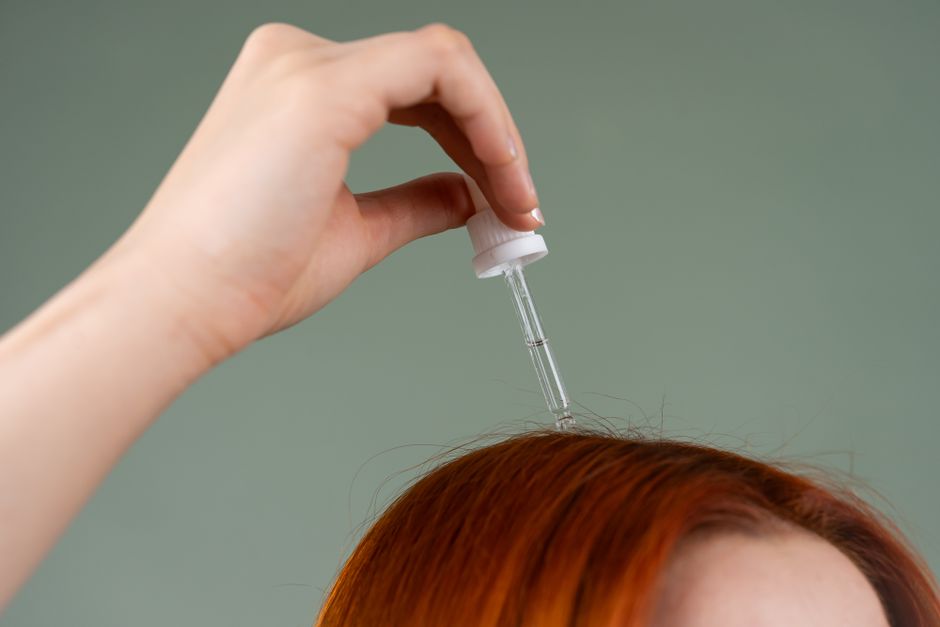
Saw palmetto is a popular natural option for hair loss, but the answer to how much to take is not as simple as a single number. Most clinical studies have used doses of 320 mg per day, often standardized to contain 85–95% fatty acids and sterols. That dose is the closest thing to a standard that exists in the research, though results vary from person to person and the evidence for effectiveness is still mixed.
What Is Saw Palmetto and How Does It Work for Hair?
Saw palmetto comes from the fruit of the Serenoa repens palm plant, native to the southeastern United States. It has been used for decades, mainly for urinary symptoms related to an enlarged prostate. Hair loss research came later, based on how the compound behaves in the body.
The main idea is that saw palmetto may block an enzyme called 5-alpha-reductase. This enzyme converts testosterone into dihydrotestosterone (DHT). DHT binds to hair follicles and can shrink them over time in people who are genetically sensitive to it. That process is a key driver of male pattern baldness, and it also plays a role in female pattern hair loss.
By reducing DHT production, saw palmetto might slow that follicle-shrinking process. It is often compared to finasteride, a prescription medication that works in a similar way. But saw palmetto is much weaker and less specific in how it blocks the enzyme. That difference matters for both effectiveness and side effects.
It is important to understand that blocking DHT is the theory. The mechanism makes biological sense, but demonstrating real-world hair regrowth is a separate question. Biological plausibility is not the same as proven clinical benefit.
What Dose of Saw Palmetto Has Been Studied for Hair Loss?
The most commonly studied dose in hair loss research is 320 mg per day. This dose is typically divided into two capsules of 160 mg each, taken with meals. It is the same dose used in most prostate health studies, which is why it appears so often in the literature.
Some studies have used different amounts. A few have used 200 mg per day. Others have combined saw palmetto with other ingredients like beta-sitosterol or pumpkin seed oil, making it hard to isolate the effect of saw palmetto alone. But 320 mg daily remains the most consistent figure across published research.
Standardization matters. Look for a product that is standardized to contain 85–95% fatty acids and sterols. This is the active fraction that researchers have studied. A product without standardization may contain very little of the compounds thought to be responsible for the effect.
No clinical guidelines currently exist for saw palmetto dosing specifically for hair loss. The 320 mg figure comes from clinical studies, not from an official recommendation by a medical organization. That distinction is worth keeping in mind.
Does the Evidence Show That Saw Palmetto Actually Regrows Hair?
The evidence is mixed. Some small studies have shown modest improvements in hair density or hair count. Others have shown no meaningful difference compared to placebo. The studies that exist are generally small, short in duration, and sometimes funded by companies that sell the supplement. That combination makes it hard to draw firm conclusions.
One of the more frequently cited studies involved men with mild to moderate androgenetic alopecia, which is the medical term for pattern hair loss. Participants took saw palmetto along with other botanical ingredients. The researchers reported improvements in hair growth. But because the product contained multiple ingredients, saw palmetto’s individual contribution cannot be determined from that study alone.
Another study compared saw palmetto to a placebo over a period of several months and found no significant difference in hair growth. This kind of conflicting result is common in the supplement literature. It does not mean saw palmetto is useless. It means the current evidence does not support a strong claim that it regrows hair reliably.
What the evidence can support is more modest: saw palmetto may slow the progression of hair loss in some people. Even that statement requires caution. The studies are not robust enough to say who will respond and who will not.





How Long Before You See Any Results With Saw Palmetto?
Hair grows slowly. The average scalp hair grows about half an inch per month. Any treatment that affects hair loss takes months before a visible change appears. This is true for prescription medications like finasteride and minoxidil, and it is equally true for saw palmetto.
In studies that showed some benefit, noticeable changes typically took at least 3 to 6 months of consistent daily use. Some researchers suggest that 6 months is a more realistic timeframe to judge whether the supplement is working for you. If there is no change after a year, it is unlikely to help.
Consistency matters. Taking saw palmetto sporadically or stopping after a few weeks will not give you a fair answer. The enzyme-blocking effect only lasts while the compound is in your system. You need steady daily dosing to maintain any potential benefit.
It is also worth noting what “working” means. For many people, the realistic goal is preventing further loss, not regrowing a full head of hair. If you maintain what you have, that may be a successful outcome. If you expect dramatic regrowth, you may be disappointed regardless of the dose.
Are There Side Effects or Risks With Saw Palmetto?
Saw palmetto is generally well tolerated. Side effects are uncommon and usually mild. The most frequently reported issues are stomach upset, nausea, and headache. Some people report a decreased sex drive, though this appears to be less common than with prescription finasteride.
Because saw palmetto can affect hormone-related pathways, it should not be used by pregnant women or women who are trying to become pregnant. This is particularly important because of potential effects on fetal development. If you are pregnant or breastfeeding, do not take saw palmetto.
People taking blood thinners should be cautious. Some research suggests saw palmetto may affect blood clotting. The evidence is not strong, but the potential interaction is enough to warrant a conversation with your doctor before starting.
Saw palmetto may also interfere with hormone-based medications, including oral contraceptives and hormone replacement therapy. If you take any of these, talk to your healthcare provider before adding saw palmetto to your routine.
Saw Palmetto vs. FDA-Approved Hair Loss Treatments
It helps to put saw palmetto in context. The two most established treatments for pattern hair loss are minoxidil and finasteride. Both have substantial clinical evidence behind them. Both are approved by the FDA for this purpose.
Minoxidil is applied directly to the scalp. It is thought to work by stimulating hair follicles and increasing blood flow to the scalp. It is available over the counter and has been shown to help with hair regrowth in many people. The main downside is that it must be used indefinitely. Stopping it leads to loss of any gained hair within a few months.
Finasteride is a prescription pill that blocks 5-alpha-reductase, the same enzyme saw palmetto targets. It is much more potent and more specific than saw palmetto. Clinical trials have shown it can slow hair loss and promote regrowth in a significant percentage of men. It also carries a risk of sexual side effects, which is a major reason some men seek natural alternatives like saw palmetto.
Saw palmetto has no FDA approval for hair loss. No large, well-controlled trials have confirmed that it works as well as these medications. If your hair loss is progressing and you want the best chance of stopping it, the prescription options are supported by much stronger evidence.
That does not mean saw palmetto has no place. Some people cannot tolerate finasteride’s side effects. Others prefer to try a gentler option first. For those people, saw palmetto may be a reasonable choice, as long as expectations are realistic.
What to Look For When Buying Saw Palmetto
Quality varies significantly between supplement brands. Since the FDA does not regulate supplements the way it regulates prescription drugs, the product you buy may not contain what the label claims. Independent testing has repeatedly found inconsistencies in herbal supplements.
When choosing a saw palmetto product, look for the following:
- Standardized extract containing 85–95% fatty acids and sterols
- A brand that uses third-party testing, such as NSF International or USP verification
- A clear dosage on the label, ideally matching the studied amount of 320 mg per day
- A reputable manufacturer with a history of quality control
Lipid-soluble extracts are the form used in most clinical studies. These extracts concentrate the fatty acids and sterols believed to be active. Some products use whole berry powder instead. Whole berry powder has not been studied as thoroughly for hair loss, and the active compounds may be present in much lower amounts.
Price is not a reliable indicator of quality. Some expensive products are poorly made, and some affordable products are excellent. Third-party testing is a better guide than price or marketing claims.
Should You Try Saw Palmetto for Hair Loss?
Saw palmetto is a reasonable option for someone who wants to try a natural approach before moving to prescription medications. The risk of serious side effects is low, and the cost is modest. The main downside is that the evidence for effectiveness is limited and inconsistent.
Before starting any supplement for hair loss, it is worth seeing a doctor or dermatologist. Hair loss has many causes. Thyroid problems, iron deficiency, and other medical conditions can cause hair shedding that looks similar to pattern hair loss. If you treat the wrong cause, you will not see results no matter what you take.
A doctor can also help you set realistic expectations and monitor your progress. If you decide to try saw palmetto, give it at least 6 months of consistent use before judging the results. Take photos at the start so you can compare accurately over time. Memory is unreliable when it comes to gradual changes in hair density.
If you see no change after a year, the supplement is probably not working for you. At that point, the evidence-based options like minoxidil or finasteride deserve stronger consideration.
Frequently Asked Questions
How much saw palmetto should I take daily for hair loss?
The most commonly studied dose is 320 mg per day, usually split into two 160 mg doses taken with meals. Look for a product standardized to 85–95% fatty acids and sterols.
How long does saw palmetto take to work for hair loss?
Visible results typically take at least 3 to 6 months of consistent daily use. If you see no change after a year, it is unlikely to help.
Can saw palmetto regrow hair or only prevent further loss?
The evidence is mixed, but the more realistic expectation is slowing further loss rather than significant regrowth. Some small studies show modest improvements in hair density, but results vary widely.
Is saw palmetto as effective as finasteride for hair loss?
No. Finasteride is a prescription medication with much stronger clinical evidence and a more potent effect on DHT. Saw palmetto may be a gentler option, but it has not been proven to work as well.
