

Most adults need about 0.7 to 1 gram of protein per pound of body weight daily to build muscle effectively. For a 180-pound person, that means roughly 126 to 180 grams of protein per day. This range is supported by sports nutrition research and represents the practical target for most people who lift weights regularly.
Why Protein Intake Matters for Muscle Growth
Muscle growth happens when your body builds more muscle protein than it breaks down. Resistance training creates the signal for growth. Protein provides the raw materials.
When you lift weights, you create small tears in muscle fibers. Your body repairs these fibers by fusing them together, which makes them thicker and stronger. This process requires amino acids, which come from dietary protein.
Without enough protein, your body cannot complete this repair process effectively. You may still get stronger through nervous system adaptations, but actual muscle size increase will be limited.
How Much Protein To Gain Muscle: The Numbers
The most commonly cited research range for muscle gain is 0.7 to 1.0 grams of protein per pound of body weight per day. This translates to about 1.6 to 2.2 grams per kilogram of body weight.
Here is what that looks like in practice:
- 150-pound person: 105 to 150 grams per day
- 180-pound person: 126 to 180 grams per day
- 200-pound person: 140 to 200 grams per day
These numbers apply to people actively lifting weights at least three times per week. If you are not training, you do not need this much protein. The average sedentary adult needs only about 0.36 grams per pound of body weight per day to maintain basic health.
The upper end of the range matters more for leaner individuals. Someone with very low body fat may need more protein per pound than someone with higher body fat, because the calculation is based on lean mass rather than total weight.
What the Research Actually Shows
Research consistently shows that protein intake above 0.7 grams per pound of body weight produces diminishing returns. One well-known analysis of protein studies found that intakes up to 1.6 grams per kilogram of body weight per day (about 0.73 grams per pound) maximized muscle gain in most people.
Some studies suggest that going higher, up to 2.2 grams per kilogram (1.0 gram per pound), may help people who are dieting to lose fat while preserving muscle. The evidence for additional benefit beyond this point is weak.
Eating more protein than your body can use does not automatically create more muscle. Excess protein is either used for energy or stored as fat, just like any other calorie source.
One important detail many people miss: total daily intake matters more than timing. Research has not consistently shown that a specific post-workout “anabolic window” makes a meaningful difference for most people.


How Protein Intake Changes With Age
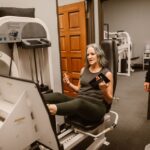
Older adults need more protein to achieve the same muscle-building response. This is called anabolic resistance. The muscles of people over 60 respond less efficiently to amino acids than younger adults.
Research suggests that adults over 60 may need closer to 1.0 to 1.2 grams per kilogram of body weight per day just to maintain muscle. For building muscle, the higher end of the 1.6 to 2.2 grams per kilogram range may be more appropriate.
This is one reason why age-related muscle loss, called sarcopenia, is so common. Many older adults eat well below the protein intake their bodies need, even if they are active.
Protein Per Meal: How Much Can Your Body Use?
A common belief is that the body can only absorb 20 to 30 grams of protein per meal. This is not accurate. Your body absorbs nearly all the protein you eat. The question is how much gets used for muscle building versus other purposes.
Research suggests that roughly 0.4 grams per kilogram of body weight per meal (about 0.18 grams per pound) is enough to maximally stimulate muscle protein synthesis in most people. For a 180-pound person, that is about 32 grams per meal.
Eating more than this in a single meal is not wasted, but the extra protein is used for energy or other metabolic processes rather than directly for muscle building.
Spreading protein across three to four meals per day is a practical strategy for most people. This approach keeps muscle protein synthesis elevated throughout the day rather than in one or two large spikes.
Protein Sources: Quality Matters
Not all protein is equal when it comes to building muscle. Protein quality depends on its amino acid profile and digestibility.
Animal proteins — meat, fish, eggs, and dairy — contain all nine essential amino acids in amounts your body needs. They are considered complete proteins. Whey protein, found in dairy, is particularly rich in leucine, the amino acid that most directly triggers muscle protein synthesis.
Plant proteins are often incomplete, meaning they are low in one or more essential amino acids. Soy and pea protein are exceptions and are considered complete. Other plant sources like rice or beans can be combined to create a complete amino acid profile.
Research shows that total protein intake matters more than the specific source for most people. A mix of animal and plant proteins throughout the day will generally cover your needs.
Protein Supplements: Are They Necessary?
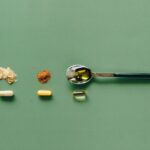
Protein powders are convenient but not necessary. Whole foods provide the same amino acids at a lower cost per gram in most cases.
Whey protein is absorbed quickly and has a strong research base for muscle building. Casein, the other milk protein, digests more slowly. Both are effective when total daily intake is adequate.
Plant-based protein powders, particularly pea and soy, have also been shown to support muscle growth in research. They are reasonable alternatives for people who avoid animal products.
If you are already meeting your protein goals through food, supplements will not provide extra benefit. They are simply a tool for convenience.
Signs You Are Not Eating Enough Protein
Several signs may indicate your protein intake is too low for muscle gain:
- Strength gains have stalled despite consistent training
- You feel sore for several days after workouts
- You are losing weight unintentionally, including muscle
- Hair, skin, or nails appear weaker than usual
- You feel constantly hungry or fatigued
These symptoms are not specific to protein deficiency. They can have other causes. But if you are training hard and eating a low-protein diet, increasing your intake is a reasonable first step.
Does Extra Protein Harm Your Kidneys?
Healthy kidneys handle high protein intakes without issue. Research has not found that high-protein diets damage kidneys in people with normal kidney function.
People with existing kidney disease need to be careful. Their kidneys may not filter protein byproducts effectively, and high intake can worsen the condition. If you have kidney disease, talk to your doctor before increasing protein.
For healthy people, the concern about kidney damage from protein is largely a myth. The evidence does not support it.
Practical Steps to Hit Your Protein Target
Start by calculating your target. Multiply your body weight in pounds by 0.7 to 1.0 to get your daily protein range in grams.
Then, plan meals around protein rather than adding it as an afterthought. A typical meal pattern might look like:
- Breakfast: 3 eggs plus Greek yogurt (about 30 grams)
- Lunch: Chicken breast with rice and vegetables (about 40 grams)
- Dinner: Salmon with potato and salad (about 40 grams)
- Snack: Protein shake or cottage cheese (about 25 grams)
This pattern provides roughly 135 grams of protein, which covers a 180-pound person at the lower end of the range. Adjust portion sizes to match your body weight.
Tracking your intake for a few days with a food app can help you see where you actually are. Most people overestimate how much protein they eat.
Frequently Asked Questions
Is 100 grams of protein enough to build muscle?
For most people, 100 grams is not enough. A 150-pound person needs at least 105 grams per day, and heavier individuals need more.
What happens if I eat too much protein?
Excess protein is used for energy or stored as fat. There is no evidence that high protein intake harms healthy kidneys, but it can contribute to weight gain if total calories exceed your needs.
Can I build muscle without protein powder?
Yes. Whole foods provide all the protein you need for muscle growth. Protein powder is a convenience, not a requirement.
How soon after a workout should I eat protein?
Eating protein within a few hours after training is sufficient for most people. The idea of a strict 30-minute anabolic window is not strongly supported by research.
