
Protein is the building block your muscles need to repair and grow after training. For most weightlifters, the research points to a daily target of roughly 1.6 to 2.2 grams of protein per kilogram of body weight. That translates to about 0.7 to 1 gram per pound. A 180-pound lifter would aim for 126 to 180 grams of protein daily, spread across meals and snacks.
Why Protein Matters for Weightlifting
When you lift weights, you create tiny tears in your muscle fibers. Your body repairs these tears during recovery, and that repair process requires amino acids — the building blocks of protein. Without enough protein in your diet, your body cannot fully rebuild the muscle tissue you broke down in the gym.
This is not about feeling sore. Soreness is a separate response to new or intense exercise. The repair and growth process happens regardless of how you feel the next day. What matters is whether you supply the raw materials your body needs to complete that repair.
Research consistently shows that resistance training combined with adequate protein intake produces greater gains in muscle mass than training alone. Studies have found that even experienced lifters who add protein to an already adequate diet do not gain extra muscle — there is a ceiling to how much protein your body can use.
How Much Protein Should a Weightlifter Eat Per Day
The most reliable guidelines come from sports nutrition research. The recommended daily intake for people actively building muscle through resistance training is 1.6 to 2.2 grams per kilogram of body weight. This is a well-established range supported by multiple meta-analyses and position stands from sports medicine organizations.
For reference, here is what that looks like for common body weights:
- 150 pounds (68 kg): 109 to 150 grams per day
- 180 pounds (82 kg): 131 to 180 grams per day
- 200 pounds (91 kg): 146 to 200 grams per day
- 220 pounds (100 kg): 160 to 220 grams per day
The lower end of this range works for most people. The higher end is useful during intense training phases, calorie deficits, or for older lifters who need more protein to overcome age-related resistance to muscle building.
Going above 2.2 grams per kilogram does not appear to provide additional muscle-building benefit. Your body simply cannot use the surplus for muscle synthesis. The extra protein is either burned for energy or stored as fat.
Protein Per Meal: How to Spread It Out
Your body does not store protein the way it stores carbohydrates or fat. This means timing matters. Eating most of your daily protein in one giant dinner is less effective than spreading it across the day.
Research indicates that muscle protein synthesis peaks after a meal containing roughly 0.4 grams of protein per kilogram of body weight. For a 180-pound lifter, that is about 33 grams per meal. Consuming more than that in a single sitting does not trigger a proportionally larger response.
A practical approach is to aim for 25 to 40 grams of protein at each meal, plus a protein-containing snack. This gives most lifters four to five protein feedings per day. Each feeding stimulates muscle protein synthesis, and the cumulative effect is what drives growth.
This pattern matters most on training days. On rest days, total daily intake matters more than timing. If you hit your daily target, the exact distribution is less critical.

Protein Before and After Your Workout
The so-called anabolic window — the idea that you must consume protein within 30 minutes of finishing your workout — is not as strict as many believe. Research shows the window is wider than once thought, likely extending to several hours after training.
What matters is that you have consumed adequate protein in the hours before your workout and that you eat a substantial meal within a few hours afterward. Your body does not shut off muscle building the moment your workout ends.
If you train fasted, having protein soon after your session is more important. If you ate a protein-rich meal two to three hours before training, your body still has amino acids circulating. You can eat your next meal whenever it fits your schedule.
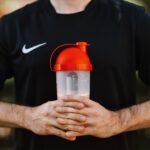
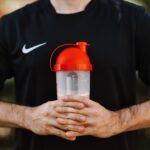
Some lifters prefer a protein shake immediately after training for convenience. That is fine. But it is not mandatory. A whole-food meal with chicken, fish, eggs, or legumes works just as well.
Does Protein Source Matter
Your body does not care whether protein comes from a shake or a steak. It cares about the amino acid profile and total amount. Animal proteins — meat, poultry, fish, eggs, dairy — contain all essential amino acids in proportions your body uses efficiently.
Plant proteins like beans, lentils, and tofu also work, but they are often lower in one or more essential amino acids. This does not make them inferior. It just means plant-based lifters need to eat a variety of protein sources across the day to ensure they get complete coverage.
Soy and pea protein are exceptions. Both are complete proteins on their own, meaning they contain all essential amino acids in adequate amounts. Whey protein, derived from milk, is the most studied protein supplement for muscle building, but it is not uniquely superior to other complete proteins when total daily intake is adequate.
Whole foods are generally preferable because they come with other nutrients. Protein supplements are convenient but are not required. If your diet already provides enough protein, a supplement adds nothing except cost.
How Much Protein Do You Need When Cutting or Bulking
Your goal changes your protein needs slightly. When you are trying to build muscle while eating a calorie surplus, the standard 1.6 to 2.2 grams per kilogram range applies.
When you are cutting — eating fewer calories than you burn — protein becomes even more important. Higher protein intake helps preserve muscle mass while your body burns fat. Research suggests that during a calorie deficit, protein needs may rise to the upper end of the range, around 2.3 to 3.1 grams per kilogram. This is a narrower evidence base, but the direction is consistent: more protein protects muscle when calories are low.
Bodybuilders preparing for competition often eat at the higher end of these ranges. For the average lifter trying to lose fat while keeping muscle, aiming for 2 grams per kilogram of body weight is a reasonable target during a cut.
Can You Eat Too Much Protein
Healthy kidneys handle high protein intakes without difficulty. The idea that protein damages kidneys is a myth that persists despite a lack of evidence in people with normal kidney function. If you have existing kidney disease, that is different — you should follow your doctor’s advice.
What can happen with excessive protein intake is digestive discomfort. Some people experience bloating, gas, or constipation when they suddenly increase protein. This usually resolves as your digestive system adapts.
There is also a practical concern. If protein pushes out carbohydrates and fats, you may feel low energy during training. Carbohydrates are your primary fuel for heavy lifting. Balance matters.
Dehydration is another consideration. Protein metabolism produces nitrogen waste that your body excretes in urine. Staying well hydrated is sensible, especially at higher protein intakes.
Frequently Asked Questions
Is 100 grams of protein enough for a weightlifter?
For most weightlifters, 100 grams is below the recommended range. A 150-pound lifter needs about 109 to 150 grams daily, so 100 grams would likely fall short of optimal muscle-building support.
How much protein after a workout?
Aim for 25 to 40 grams of protein within a few hours after training. The exact timing is less critical than eating enough protein throughout the day.
Do I need protein powder to build muscle?
No. Protein powder is a convenience food, not a requirement. Whole-food protein sources like chicken, fish, eggs, dairy, and legumes provide everything your muscles need.
Is 200 grams of protein a day too much?
For a 200-pound lifter, 200 grams is at the upper end of the recommended range and is safe for healthy individuals. For a smaller person, it exceeds what the body can use for muscle building.
