
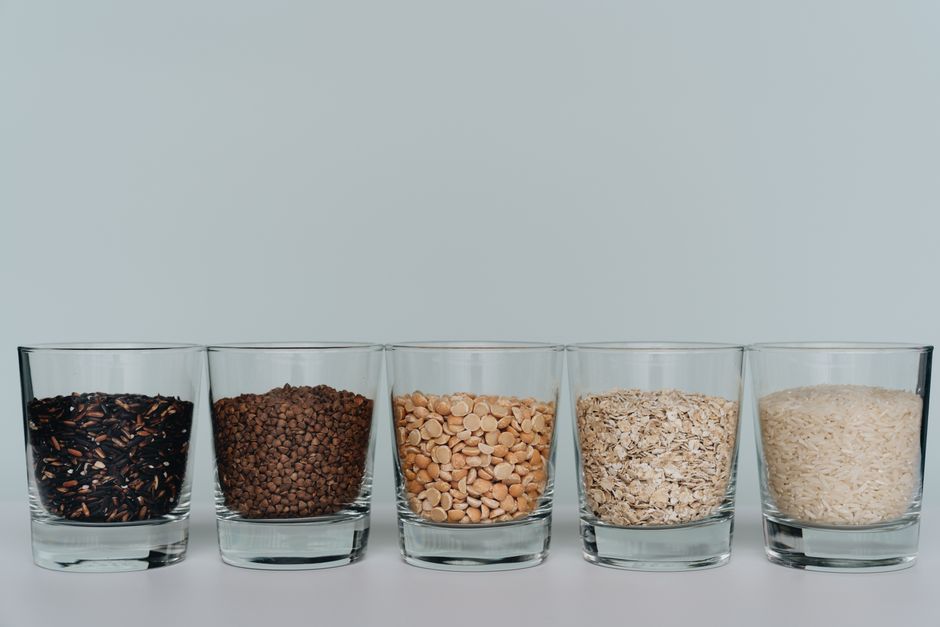
Cooked white rice contains about 4.3 grams of protein per cup. Cooked brown rice has a little more, roughly 5.5 grams per cup. That is the short answer. The longer answer depends on the type of rice, whether it is cooked or dry, and what else you eat with it.
Rice is not a high-protein food. It is mostly carbohydrate and water once cooked. But it is eaten in large amounts in many diets, so the protein it does carry adds up. Understanding how much you actually get, and what kind of protein it is, helps you plan meals that hold together.
How Much Protein Is In The Rice?
The number changes with the variety and with how the rice is prepared. Dry rice looks far more protein-dense than cooked rice because cooking adds water weight. A cup of dry white rice has around 13 grams of protein. Once cooked, that same rice expands to roughly three cups, so a single cooked cup lands back near 4 grams.
Here is a comparison of common types, measured per one cooked cup:
- White, long-grain: about 4.3 grams
- Brown, long-grain: about 5.5 grams
- Wild rice: about 6.5 grams
- Jasmine or basmati: about 4 grams
- Instant or parboiled white: about 4 to 5 grams
These figures come from standard USDA nutrient data. They are averages. Brand, growing conditions, and exact water absorption shift them slightly, but not enough to matter for most people.
Why Does Brown Rice Have More Protein Than White Rice?
Brown rice keeps its bran layer and germ. White rice has both removed during milling. The bran and germ hold most of the rice grain’s protein, fiber, vitamins, and minerals, so stripping them lowers the protein count along with everything else.
Milling is also why white rice loses much of its B vitamins and iron. Many countries, including the United States, fortify white rice to add some of these nutrients back. Protein is not typically added back, which is part of why the gap between white and brown remains.
The difference is real but small. Moving from white to brown rice adds about a gram of protein per cup. The bigger gains from brown rice are in fiber and micronutrients, not protein.
Is Rice Protein Complete?
No. Rice protein is incomplete, meaning it is low in one essential amino acid: lysine. Your body cannot make lysine, so it has to come from food. A protein that is short on any essential amino acid cannot be used efficiently for building and repairing tissue on its own.
This sounds like a problem. In practice, it rarely is. The body maintains a pool of amino acids and does not require every meal to contain a complete protein. Eating rice with beans, lentils, tofu, eggs, dairy, fish, or meat fills the lysine gap. The combination does not need to happen in the same bite. Over the course of a day, the pieces fit together.
This is one of the most persistent myths in nutrition: that plant proteins must be carefully paired at every meal. Research has moved past that idea. Variety across the day is what matters.



How Much Protein Does Rice Add To A Meal?
On its own, a cup of rice is a modest protein source. It becomes more meaningful when it is the base of a dish. A rice bowl with beans, a stir-fry with chicken, or a rice-and-lentil pilaf can carry 15 to 25 grams of protein or more, depending on the other ingredients.
Rice also contributes volume and calories that let you eat those protein foods in a satisfying meal. For people eating plant-based diets, rice is often a staple that supports protein intake indirectly, by making legumes and other protein sources easier to eat in quantity.
For someone relying on rice as a main protein source, though, the math is hard. You would need several cups to approach the protein in a single chicken breast. Rice works best as a partner to protein, not a replacement for it.
Does Rice Fit A High-Protein Diet?
Rice can fit, but it is a carbohydrate food first. If your goal is high protein, rice is not where you should look for it. It is where you look for energy, fiber (if brown), and a base that makes protein foods palatable.
Some people on low-carb or high-protein plans limit rice for calorie reasons, not protein reasons. A cup of cooked white rice has roughly 200 calories, most from carbohydrate. If you are managing blood sugar or total calories, portion size matters more than the protein content.
For most people, rice is a reasonable part of a balanced plate. The protein question is better aimed at what sits next to the rice.
What About Rice Protein Powder?
Rice protein powder exists and is sold as a plant-based alternative to whey. It is made by extracting protein from rice, usually brown rice, and it does contain a more concentrated protein than the grain itself. Because rice is low in lysine, rice protein powders are often blended with pea protein or supplemented to improve the amino acid profile.
The evidence on rice protein powder as a muscle-building supplement is limited compared with whey. Some small studies suggest it can support muscle protein synthesis, but the research base is thinner. It is a reasonable option for people who cannot tolerate dairy or soy, not a superior one.
If you are considering a protein powder, read the label for the amino acid profile and total protein per serving. Marketing claims about rice protein being “complete” or “superior” are not well supported.
How Does Rice Compare To Other Staples?
Rice sits in the middle of the pack for protein among common staples. It carries less protein per cooked cup than pasta, quinoa, or oats, and far less than meat, fish, eggs, or legumes.
Quinoa is often praised as a complete protein, and it does contain all essential amino acids, though in modest amounts. Per cooked cup, quinoa has around 8 grams of protein. Oats have about 6 grams per cooked cup. Pasta has roughly 7 to 8 grams per cooked cup. Rice is lower, but it is also lighter and often eaten in larger portions alongside other foods.
None of these staples should be judged on protein alone. Each brings different fiber, vitamins, and culinary roles. The comparison matters only if protein is your priority.
The Bottom Line
Cooked rice gives you about 4 to 6 grams of protein per cup, depending on the type. Brown and wild rice edge out white. The protein is incomplete on its own, but that is easily handled by eating rice with legumes, eggs, dairy, or meat across the day.
Rice is a carbohydrate staple, not a protein source. Treat it as the base of a meal and let the foods around it carry the protein. That is how rice has worked in most of the world’s cuisines for centuries, and the nutrition science supports it.
Frequently Asked Questions
How much protein is in one cup of cooked white rice?
About 4.3 grams per cooked cup. Brown rice has slightly more, around 5.5 grams.
Is rice a good source of protein?
No, rice is a modest protein source and is mostly carbohydrate. It is best treated as a base for meals that include beans, eggs, dairy, or meat.
Does brown rice have more protein than white rice?
Yes, brown rice has about one more gram of protein per cooked cup because it keeps its bran and germ. The bigger difference is in fiber and micronutrients.
Can you get enough protein from rice alone?
Not realistically. Rice is low in lysine and you would need several cups to match the protein in a small serving of meat or legumes.
