
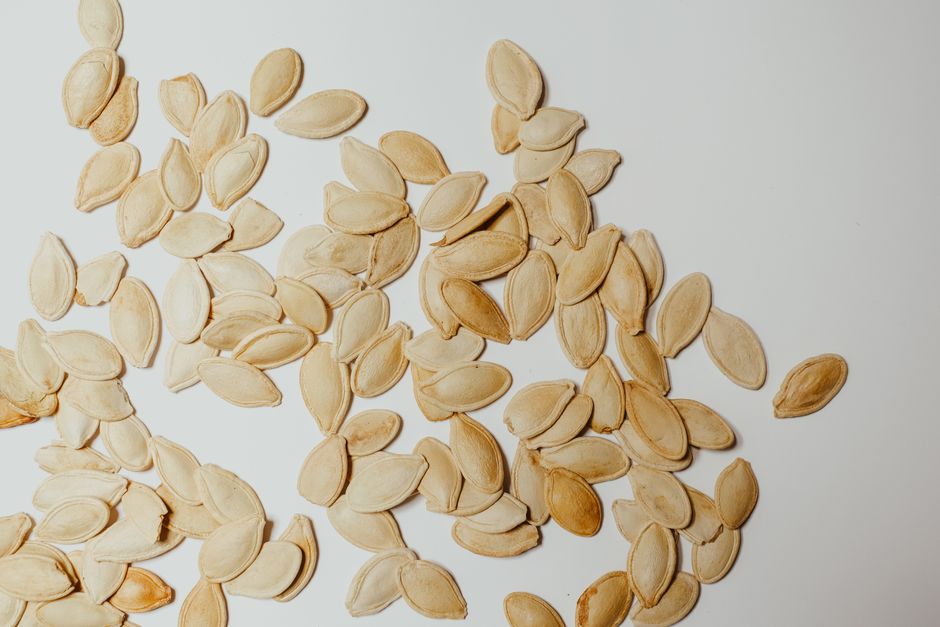
Pumpkin seeds deliver about 5 to 9 grams of protein per one-ounce serving, depending on whether you eat them hulled or in the shell. Hulled seeds — the green ones sold as pepitas — contain roughly 8 to 9 grams of protein per ounce. Whole seeds with the white shell intact contain less usable protein per ounce because the shell itself is mostly fiber. For most people, pumpkin seeds are a modest but useful protein source, not a main one.
How Much Protein In Pumpkin Seeds Per Serving?
The numbers shift depending on how you measure and which form you buy.
According to USDA nutritional data, one ounce (about 28 grams) of dried hulled pumpkin seed kernels provides roughly 8 to 9 grams of protein. That same ounce carries about 150 to 160 calories and around 12 to 14 grams of fat. The protein is real, but it comes packaged with a lot of fat and calories.
If you eat the whole seed with its white outer hull, the picture changes. The hull is largely indigestible fiber, so an ounce of whole seeds contains less protein by weight than an ounce of hulled kernels. You also get more fiber and less available protein per bite.
A typical small handful — roughly a quarter cup of hulled kernels — weighs close to an ounce and delivers that same 8 to 9 grams. It is easy to eat far more than that without noticing.
How Does Pumpkin Seed Protein Compare To Other Seeds And Nuts?
Pumpkin seeds sit in the middle of the pack among seeds and nuts for protein density. They are not the highest, but they are far from the lowest.
Here is a rough comparison of protein per one-ounce serving, based on USDA data:
- Hemp seeds: about 9 to 10 grams
- Pumpkin seeds (hulled): about 8 to 9 grams
- Sunflower seeds: about 6 grams
- Chia seeds: about 5 grams
- Flaxseeds: about 5 grams
- Almonds: about 6 grams
- Peanuts: about 7 grams
- Walnuts: about 4 grams
These figures are approximate and vary by brand, growing conditions, and how the seeds are processed. The takeaway is that pumpkin seeds are a solid plant protein source, competitive with most nuts and seeds, though not a standout like soybeans or hemp.
Is Pumpkin Seed Protein A Complete Protein?
Pumpkin seed protein is not a complete protein on its own, but it comes closer than many plant sources.
Complete proteins contain all nine essential amino acids in amounts the body can use. Animal foods like eggs, meat, and dairy are complete. Most plant foods are low in at least one essential amino acid — often lysine or methionine.
Pumpkin seeds are notably rich in methionine and tryptophan but lower in lysine. That makes them incomplete by strict definition. However, the shortfall is not severe, and pairing pumpkin seeds with a lysine-rich food — beans, lentils, or grains — fills the gap easily. You do not need to combine them in the same meal; eating a varied diet across the day covers it.
This is one of those areas where old advice about “protein combining” at every meal has been largely walked back. The body maintains a pool of amino acids, so slight imbalances across meals are not a practical concern for most people eating a mixed diet.
Does Pumpkin Seed Protein Powder Have The Same Amount?
Pumpkin seed protein powder is concentrated, so it contains far more protein per serving than whole seeds — typically 10 to 15 grams per scoop, though this varies widely by brand.
The powder is made by defatting and grinding the seeds, which removes most of the fat and calories. That makes it a leaner protein source by weight. But the processing also strips away much of the fiber and some micronutrients found in whole seeds.
If your goal is protein specifically, the powder is more efficient. If your goal is overall nutrition, whole seeds give you more — including fiber, magnesium, zinc, and healthy fats. Neither is inherently better; they serve different purposes.
Check the label on any powder you consider. Protein content, added ingredients, and processing methods differ significantly between products, and “pumpkin seed protein” on a label does not guarantee a specific nutritional profile.
What Else Do Pumpkin Seeds Provide Besides Protein?
Pumpkin seeds are nutrient-dense beyond their protein content. That matters because protein is rarely the only reason people eat them.
One ounce of hulled seeds provides a meaningful amount of magnesium — roughly 40 to 50 percent of the daily value for adults, according to USDA data. They are also a good source of zinc, iron, phosphorus, and copper. These minerals support immune function, red blood cell production, and bone health.
They contain plant compounds called phytosterols and antioxidants, including vitamin E. Some research suggests these compounds may support heart health, though the evidence is not strong enough to make specific health claims about pumpkin seeds alone.
The fat content is mostly unsaturated — primarily oleic and linoleic acids — which is generally considered favorable for cardiovascular health when part of a balanced diet.
How Much Protein Do You Actually Absorb From Pumpkin Seeds?
Not all the protein in pumpkin seeds is fully available to your body. Whole seeds, in particular, are harder to digest than many other protein sources.
The fiber in the hull, plus compounds called phytates, can bind to some nutrients and reduce absorption. This does not mean pumpkin seeds are a poor protein source — they are not — but the 8 to 9 grams per ounce figure represents the protein present, not necessarily the amount your body fully uses.
Chewing thoroughly, grinding the seeds, or eating them as a butter or powder improves digestibility. Roasting does not meaningfully change protein content, though it does alter texture and flavor.
For most people eating a varied diet, this absorption gap is not a practical problem. It becomes more relevant for anyone relying on pumpkin seeds as a primary protein source, which is not how they are best used.
Are Pumpkin Seeds A Good Protein Source For You?
Pumpkin seeds are a useful addition to a diet, but they are not a protein solution on their own. A person needing 50 to 70 grams of protein daily would have to eat a lot of seeds to meet that from pumpkin seeds alone — and would take in a large amount of fat and calories in the process.
They work best as a supporting player: sprinkled on salads, stirred into yogurt or oatmeal, or eaten as a snack alongside other protein foods. For vegetarians and vegans, they are a valuable source of both protein and minerals that can be harder to get from plant foods.
Anyone with a nut or seed allergy should approach pumpkin seeds with caution, though true pumpkin seed allergy appears uncommon. People on restricted diets or with specific medical conditions should talk to a doctor or registered dietitian before making significant dietary changes.
Frequently Asked Questions
How much protein is in one ounce of pumpkin seeds?
One ounce of hulled pumpkin seeds contains about 8 to 9 grams of protein, according to USDA data. Whole seeds with the shell intact contain less usable protein per ounce.
Are pumpkin seeds a complete protein?
No, pumpkin seeds are low in the amino acid lysine, so they are not a complete protein on their own. Pairing them with beans, lentils, or grains across the day fills the gap.
How much protein is in a handful of pumpkin seeds?
A small handful — roughly a quarter cup of hulled kernels — weighs close to one ounce and provides about 8 to 9 grams of protein. Larger handfuls deliver more, along with more calories and fat.
Is pumpkin seed protein powder higher in protein than whole seeds?
Yes, pumpkin seed protein powder is concentrated and typically provides 10 to 15 grams of protein per scoop, though this varies by brand. The powder has less fat and fiber than whole seeds.
