
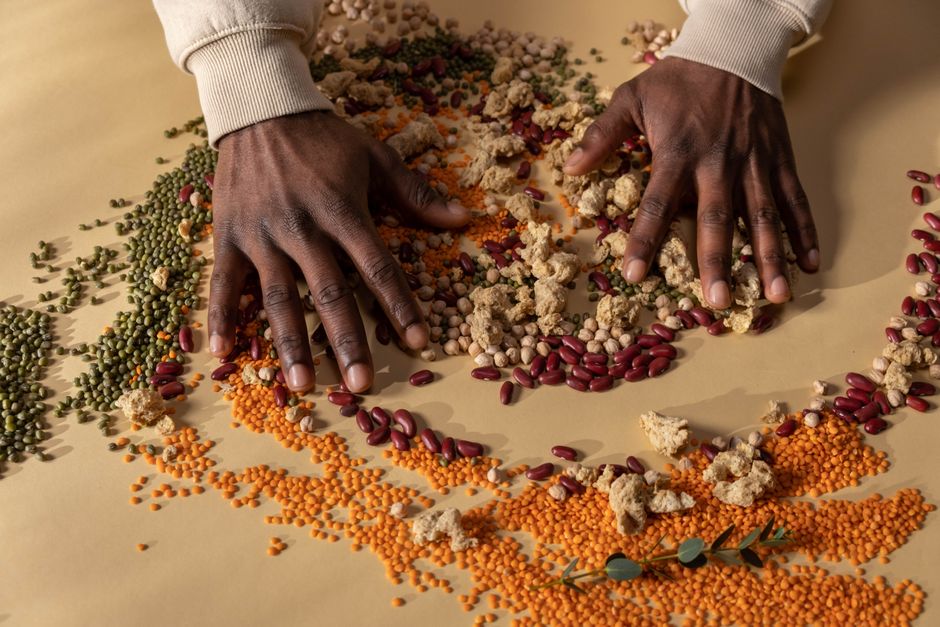
Beans are one of the most affordable plant proteins you can put on a plate. The exact amount varies by type, but most cooked beans land between 7 and 9 grams of protein per half-cup serving. Soybeans are the outlier, with roughly 14 to 15 grams in that same half-cup.
That half-cup measure is the number you will see on nearly every nutrition label and USDA database entry, so it is the one worth memorizing. Canned and dried beans end up with almost identical protein once cooked, which surprises a lot of people who assume fresh or dried is always better.
How Much Protein Is in Different Types of Beans?
Most common beans cluster tightly in the 7 to 9 gram range per half-cup cooked. The spread between them is small enough that swapping one for another barely moves your daily total.
Here is how the major varieties compare, using cooked beans measured by volume:
| Bean Type | Protein per 1/2 cup cooked |
|---|---|
| Soybeans (edamame, mature) | ~14–15 g |
| Lupini beans | ~13 g |
| Black beans | ~8 g |
| Kidney beans | ~8 g |
| Pinto beans | ~8 g |
| Chickpeas (garbanzo) | ~7–8 g |
| Navy beans | ~8 g |
| Lentils | ~9 g |
| Split peas | ~8 g |
| Black-eyed peas | ~7 g |
| Adzuki beans | ~8 g |
Lentils and split peas are technically legumes rather than beans, but they show up in the same dishes and get counted the same way. Their protein content sits right alongside the bean family.
The one real standout is soy. Soybeans carry nearly double the protein of most other beans, which is part of why tofu, tempeh, and edamame get so much attention in plant-based eating. Lupini beans, a Mediterranean staple, are also notably high.
Does Canned Beans Have Less Protein Than Dried?
No. Once cooked, canned and dried beans have nearly the same protein content. The canning process does not strip protein out.
What can differ is sodium. Canned beans are often packed in salted water, and a half-cup can add a few hundred milligrams of sodium depending on the brand. Draining and rinsing canned beans reduces surface sodium, though it does not remove what has absorbed into the bean itself.
Dried beans are cheaper per serving and give you control over salt. Canned beans save hours of soaking and cooking. From a protein standpoint, the choice comes down to convenience and sodium, not nutrition quality.
One detail worth knowing: a standard 15-ounce can of beans holds about 1.5 cups of drained beans. That is roughly three half-cup servings per can. If you are tracking protein, that works out to about 24 grams per can for most varieties.
Is Bean Protein as Good as Meat Protein?
Beans are lower quality protein than meat, egg, or dairy when judged on their own. That does not make them a bad choice. It means the details matter.
Protein quality comes down to amino acids, the building blocks your body actually uses. Animal proteins contain all nine essential amino acids in proportions close to what humans need. Most beans are low in one amino acid called methionine. Grains, on the other hand, are low in lysine, which beans have plenty of.
This is why rice and beans, or beans and corn tortillas, have been staple combinations across cultures for centuries. Together they cover each other’s gaps. You do not need to eat them in the same meal, either. Your body maintains a pool of amino acids, so eating complementary proteins across the same day works fine. The old idea that you must carefully pair foods at every meal has been set aside by nutrition science.
Soy is the exception among beans. Soy protein is a complete protein, meaning it provides all essential amino acids in adequate amounts on its own. That is one reason soy foods hold a distinct place in plant-based nutrition guidance.
If beans make up a large share of your protein intake, variety helps. Eating beans alongside grains, nuts, seeds, or a small amount of animal protein fills in the gaps without any special planning.

How Much Protein Do You Get From a Full Serving of Beans?
A full cup of cooked beans delivers roughly 14 to 16 grams of protein for most varieties, and about 28 to 30 grams for soybeans. That cup also brings a substantial amount of fiber.
To put that in context, a 3-ounce serving of cooked chicken breast has around 26 grams of protein. So a cup of black beans gives you a bit more than half the protein of a chicken serving, plus fiber that chicken does not have.
Fiber is where beans pull ahead in a different category. A cup of most beans provides a large share of the daily fiber target, which most Americans fall short on. Protein and fiber together are also part of why beans keep you full longer than their protein number alone would suggest.
If you are building a meal around beans as your main protein, a cup is a reasonable starting point. Smaller portions still contribute meaningfully when combined with other protein sources across the day.
How Much Protein Do You Need in a Day?
The general reference intake for adults is about 0.8 grams of protein per kilogram of body weight per day. For a 150-pound adult, that works out to roughly 54 grams.
That number is a minimum to prevent deficiency, not necessarily an ideal target for everyone. People who are older, physically active, recovering from illness, or pregnant often need more. Protein needs also rise with age because muscle becomes harder to maintain.
Here is where beans fit in. Two cups of beans across a day would provide roughly 28 to 32 grams of protein for most varieties. That is a meaningful chunk of a typical daily target, especially when combined with grains and other foods.
Beans alone are unlikely to cover a high protein target without a lot of volume, largely because they also bring significant fiber and carbohydrates. As part of a varied diet, though, they do real work.
Do Black Beans Have More Protein Than Other Beans?
No. Black beans sit right in the middle of the pack at about 8 grams per half-cup, essentially tied with kidney, pinto, and navy beans.
The idea that one common bean is a protein powerhouse over another is mostly marketing or personal preference dressed up as nutrition. The differences between black, pinto, kidney, and navy beans are small enough to ignore when you are planning meals.
What does differ between bean varieties is flavor, texture, and how they hold up in cooking. Black beans hold their shape well in soups. Pintos mash into refried beans. Chickpeas have a firm bite that works in salads. Those are the differences worth choosing between.
If protein is your main goal, the beans that actually separate themselves are soy and lupini. Everything else is close enough that taste and texture should guide your choice.
Frequently Asked Questions
How much protein is in one cup of cooked beans?
Most cooked beans provide about 14 to 16 grams of protein per cup. Soybeans are higher, at roughly 28 to 30 grams per cup.
Are canned beans as high in protein as dried beans?
Yes, canned and dried beans have nearly the same protein content once cooked. The main difference is that canned beans often contain more sodium.
Which bean has the most protein?
Soybeans have the most protein of any common bean, at about 14 to 15 grams per half-cup cooked. Lupini beans are a distant second at around 13 grams.
Can beans be your main protein source?
Yes, though most beans are lower in one essential amino acid, so pairing them with grains or other proteins across the day helps. Soy is a complete protein and does not need pairing.
