
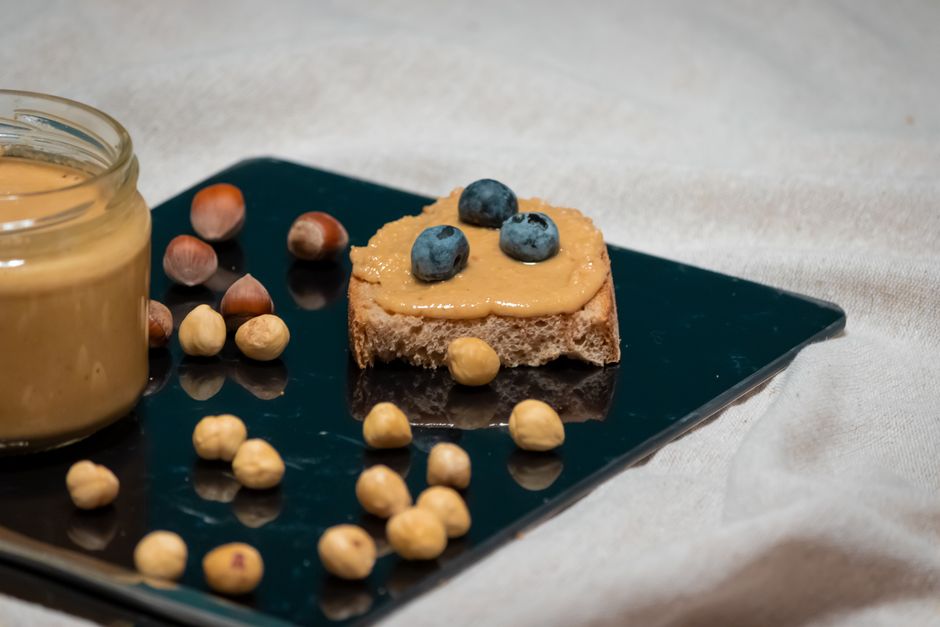
Peanut butter has about 7 grams of protein in a standard 2-tablespoon serving. That is roughly the same protein as one large egg. The exact number moves a little depending on the brand, the grind, and whether the label lists a serving as 2 tablespoons or 32 grams by weight. But 7 grams per serving is the number you will see on most jars, and it is a reliable place to start.
Peanut butter is a genuine source of plant protein, not a token amount. It is also calorie-dense, which matters just as much as the protein count. Understanding both sides helps you use it well.
How Much Protein Does Peanut Butter Have Per Serving?
A 2-tablespoon serving of peanut butter contains about 7 grams of protein. That figure holds across most conventional brands, natural and regular alike. The USDA nutrient database lists roughly this amount for standard peanut butter.
The serving size is where people get tripped up. Two tablespoons is smaller than most people scoop. A generous spoon straight from the jar can easily be 3 or 4 tablespoons, which pushes protein up to 10 to 14 grams but also pushes calories well past 300.
Weighing the jar on a kitchen scale removes the guesswork. A serving by weight is typically listed as 32 grams. That is a useful check if you are tracking protein or calories closely.
How Does Peanut Butter Compare to Other Protein Sources?
Peanut butter holds its own against many everyday foods, but it is not a high-protein food in the way meat, fish, or eggs are. It is a moderate source paired with a lot of fat and calories.
| Food | Protein | Serving |
|---|---|---|
| Peanut butter | ~7 g | 2 tbsp (32 g) |
| One large egg | ~6 g | 1 egg |
| Cooked chicken breast | ~26 g | 3 oz |
| Cooked lentils | ~9 g | ½ cup |
| Cottage cheese | ~12 g | ½ cup |
| Almond butter | ~7 g | 2 tbsp |
The comparison that matters most depends on your goal. If you want protein with few calories, peanut butter is a poor choice. If you want protein bundled with healthy fat and fiber in a food that keeps you full, it does well.
One clarification worth making: the protein in peanuts is not “complete” in the strict sense. Peanuts are low in one essential amino acid, lysine, compared with animal proteins. In practice this rarely matters, because most people eat peanuts alongside grains and other foods that fill the gap across the day. But if peanut butter were your only protein source, that limitation would matter.
Does Natural Peanut Butter Have More Protein Than Regular?
Natural and regular peanut butter contain about the same protein. The difference between them is mostly about added ingredients, not protein content.
Regular peanut butter often adds a small amount of sugar and a stabilizer to keep the oil from separating. Natural peanut butter usually contains just peanuts and salt. Neither change moves the protein number much. Some reduced-fat peanut butters actually contain slightly more protein per serving by weight, because removing oil concentrates the solids, but the difference is small.
What does shift the label is the serving size and any added ingredients like chocolate, honey, or flavorings. Read the nutrition panel rather than assuming. A “natural” label is not a protein claim.
Is Peanut Butter a Good Source of Protein?
Peanut butter is a decent source of plant protein, but calling it a “protein food” oversells it. For every 7 grams of protein, a serving delivers roughly 16 grams of fat and around 190 calories. That ratio is the honest picture.
Where peanut butter shines is as a protein booster added to other foods. A spoon stirred into oatmeal, a spread on whole-grain toast, or a scoop in a smoothie adds protein, fat, and fiber together. It is a supporting player, not the main event.
For people eating plant-based diets, peanut butter contributes meaningfully to daily protein, but it should sit alongside beans, lentils, soy foods, and grains. Relying on peanut butter alone for protein would mean eating a lot of calories to hit your target.
How Much Protein Do You Actually Need?
Most adults need somewhere around 0.8 grams of protein per kilogram of body weight per day, which is the long-standing general recommendation. For a 150-pound adult, that works out to roughly 55 grams of protein daily. Needs rise with age, physical activity, pregnancy, and some medical conditions.
Put in context, one serving of peanut butter supplies about 7 grams toward that daily total. It is a helpful contribution, not a large one. Hitting your protein needs generally requires several protein sources across the day.
Protein needs for specific groups, including athletes and older adults, are debated and can be higher than the general figure. If you have a medical condition affecting protein intake, a clinician or registered dietitian is the right person to set your target.
What Else Should You Know About Peanut Butter?
Protein is only part of the story. Peanut butter also provides healthy unsaturated fats, some fiber, vitamin E, magnesium, and potassium. Those are real nutritional benefits.
It is also a common allergen, and for people with a peanut allergy it must be avoided entirely. Peanut butter is calorie-dense, so portion awareness matters for anyone watching weight. And many commercial brands add sugar and salt, which is worth checking on the label if those matter to you.
A practical note: natural peanut butter separates, and the oil that rises to the top is not a defect. Stirring it back in restores the intended consistency. Some people pour it off, which slightly reduces the fat and calories but also removes some of the healthier oils.
Frequently Asked Questions
How much protein is in 2 tablespoons of peanut butter?
About 7 grams of protein in a standard 2-tablespoon serving. The exact amount varies slightly by brand and serving size listed on the label.
Is peanut butter high in protein?
It is a moderate source, with about 7 grams per serving alongside roughly 16 grams of fat. It works best as a protein booster added to other foods rather than a primary protein source.
Does peanut butter have more protein than an egg?
A 2-tablespoon serving of peanut butter has slightly more protein than one large egg, around 7 grams versus about 6 grams. The egg delivers far fewer calories and much less fat.
Is the protein in peanut butter complete?
No, peanuts are low in the amino acid lysine compared with animal proteins. Eating peanut butter with grains and other foods across the day fills that gap in practice.
