
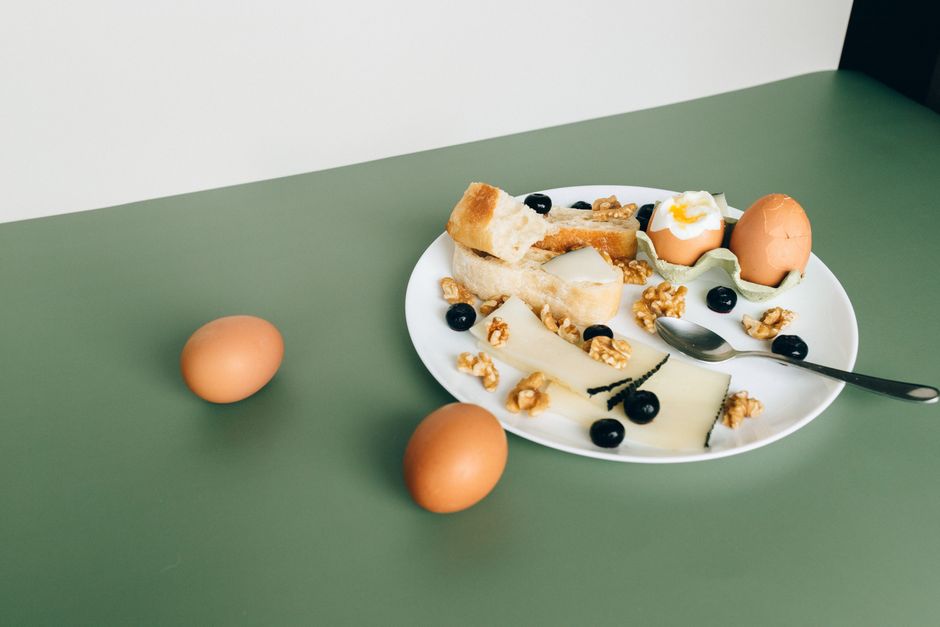
Cheese is a concentrated source of protein, but the amount varies widely by type. Hard, aged cheeses like Parmesan pack the most protein, while soft, fresh cheeses like cottage cheese and mozzarella contain less per ounce. The range is roughly 5 to 10 grams of protein per ounce, depending on the variety you choose.
How Much Protein Does Cheese Have Types Compared?
Protein content in cheese depends mainly on moisture and fat. Cheeses with less moisture have more protein per ounce because the protein is more concentrated. Hard cheeses are dried and aged, which removes water and leaves a denser product.
Here is the protein content for common cheese types per 1-ounce serving (about 28 grams):
- Parmesan: 10 grams
- Romano: 9 grams
- Gruyère: 8 grams
- Swiss: 8 grams
- Cheddar: 7 grams
- Gouda: 7 grams
- Mozzarella (part-skim): 7 grams
- Provolone: 7 grams
- Monterey Jack: 7 grams
- Blue cheese: 6 grams
- Feta: 4 grams
- Cottage cheese (1% low-fat): 3 grams per ounce (14 grams per half-cup)
These figures come from USDA food composition data. Actual values vary slightly by brand and production method. The pattern is consistent: harder, drier cheeses deliver more protein per bite.
Why Does Hard Cheese Have More Protein Than Soft Cheese?
The cheesemaking process explains the difference. Cheese starts as milk, which is about 87% water. During cheesemaking, curds are separated from the liquid whey. The curds are then pressed and aged.
Hard cheeses are pressed longer and aged for months or years. This drives out more moisture. What remains is a dense matrix of milk proteins, mainly casein, along with fat and minerals.
Soft cheeses like feta and fresh mozzarella retain more water. That water takes up space and weight without adding protein. So a 1-ounce piece of feta contains less actual cheese solids than a 1-ounce piece of Parmesan.
The same logic applies to cottage cheese. It is high in moisture, so a single ounce is mostly water. But because people typically eat cottage cheese by the half-cup, the protein adds up quickly.
Is Cheese a Complete Protein?
Yes. Cheese is an animal product, so it contains all nine essential amino acids your body cannot make on its own. This makes it a complete protein source.
The main protein in cheese is casein, which makes up about 80% of milk protein. Casein digests slowly, which means amino acids enter your bloodstream gradually over several hours. Some research suggests this slow release makes casein particularly useful for maintaining muscle between meals.
The remaining protein is whey, which digests quickly. Both are high-quality proteins with strong amino acid profiles.
For context, a 1-ounce serving of cheddar provides about 7 grams of protein. That is roughly equivalent to one large egg, which contains about 6 grams. Cheese is a practical way to add protein to meals without cooking meat or preparing eggs.




How Much Protein Do You Actually Need?
The Recommended Dietary Allowance for protein is 0.8 grams per kilogram of body weight per day for adults. For a person weighing 150 pounds, that is about 54 grams daily. This amount prevents deficiency in most healthy adults.
However, many experts consider this the minimum, not the target. Research on muscle maintenance and healthy aging suggests older adults may benefit from more. Some clinical guidelines recommend 1.0 to 1.2 grams per kilogram for adults over 65 to help preserve muscle mass.
People who are physically active or trying to build muscle often aim higher, around 1.6 to 2.2 grams per kilogram. These are general ranges, not personalized recommendations. Individual needs vary with activity level, health status, and goals.
Cheese can contribute to your daily protein total, but it also brings saturated fat and sodium. A balanced approach is to use cheese as one protein source among several, including poultry, fish, beans, lentils, and eggs.
Which Cheese Is Best for Protein Per Calorie?
Protein per calorie matters if you are watching your weight or trying to increase protein without excess calories. Lower-fat cheeses generally offer more protein per calorie because fat is calorie-dense.
Part-skim mozzarella is a strong option. A 1-ounce serving provides about 7 grams of protein and roughly 72 calories. This gives a protein-to-calorie ratio that compares well with lean meats.
Parmesan also performs well. Its 10 grams of protein come with about 111 calories per ounce. The serving size is smaller because the flavor is intense, so you may use less.
Full-fat cheddar provides 7 grams of protein but about 115 calories per ounce. The extra calories come from fat. This is not a problem if your overall diet is balanced, but it is worth knowing if you are counting calories.
Cottage cheese stands apart. A half-cup of low-fat cottage cheese provides about 14 grams of protein for roughly 90 calories. This is one of the best protein-to-calorie ratios among dairy foods.
Does the Type of Milk Matter?
Cheese can be made from cow, goat, sheep, or buffalo milk. The protein content is broadly similar across these sources, though there are small differences.
Sheep milk cheese, such as Pecorino Romano, tends to have slightly more protein than cow milk cheese because sheep milk naturally contains more protein and fat. Goat cheese, like chèvre, is often lower in protein because it is typically sold as a soft, fresh cheese with high moisture.
The bigger factor is the cheese style, not the animal source. A hard goat cheese will have more protein per ounce than a soft cow milk cheese. The manufacturing process matters more than the milk origin.
Buffalo mozzarella, made from water buffalo milk, is a fresh cheese with high moisture. It contains less protein per ounce than aged cow milk cheeses. Freshness and moisture content drive the difference.
How to Use Cheese for Protein in Your Diet
Adding cheese to meals is straightforward, but portion control matters. A serving is typically 1 ounce, which is about the size of two dice or a single slice of deli cheese.
Here are practical ways to incorporate cheese for protein:
- Add shredded Parmesan to roasted vegetables or salads
- Use part-skim mozzarella on whole-grain crackers
- Mix cottage cheese into scrambled eggs for extra protein
- Pair cheddar with apple slices for a balanced snack
- Top soups with grated hard cheese instead of croutons
These options add protein without requiring large portions. Because hard cheeses are strongly flavored, a small amount goes a long way.
If you are lactose intolerant, aged hard cheeses may still be an option. Most of the lactose is removed during the cheesemaking and aging process. Parmesan, aged cheddar, and Swiss are naturally low in lactose. Fresh cheeses like mozzarella and cottage cheese contain more lactose and are more likely to cause symptoms.
Does Cheese Protein Build Muscle Like Other Proteins?
Yes. The protein in cheese stimulates muscle protein synthesis, the process by which your body repairs and builds muscle tissue. Studies consistently show that dairy proteins are effective for this purpose.
Research published in the American Journal of Clinical Nutrition has found that milk proteins, including casein and whey, are highly effective at supporting muscle recovery after resistance exercise. Cheese contains both of these proteins in meaningful amounts.
That said, cheese is not a sports supplement. It contains saturated fat and sodium, which you may want to limit if you eat large amounts. For most people, cheese as part of a varied diet provides quality protein without the need for special products.
No evidence suggests cheese protein is superior to other animal proteins like chicken, beef, or eggs. It is simply one effective source among many.
What About Reduced-Fat and Plant-Based Cheeses?
Reduced-fat cheeses typically contain slightly more protein per ounce than their full-fat versions. When fat is removed, the proportion of protein increases. The difference is small, usually 1 to 2 grams per ounce.
Plant-based cheese alternatives are a different story. Most vegan cheeses are made from coconut oil, starch, or nuts. They contain little to no protein. A typical plant-based cheddar slice has less than 1 gram of protein per serving.
Some newer plant-based cheeses use pea protein or other legume proteins and may contain 3 to 5 grams per serving. These are the exception, not the rule. Check the nutrition label if protein is your goal.
Nutritional yeast, sometimes used as a cheese substitute, provides about 8 grams of protein per 2-tablespoon serving. It has a savory, cheesy flavor and is naturally low in fat and sodium.
Frequently Asked Questions
Which cheese has the most protein?
Parmesan has the most protein among common cheeses, with about 10 grams per ounce. Other hard aged cheeses like Romano and Gruyère are close behind.
Is cheese a good source of protein?
Yes, cheese is a concentrated source of complete protein containing all essential amino acids. A 1-ounce serving provides 4 to 10 grams depending on the type.
How much protein is in a slice of cheddar cheese?
One slice of cheddar cheese, which weighs about 1 ounce, contains approximately 7 grams of protein. This is similar to the protein in one large egg.
Is cottage cheese high in protein?
Cottage cheese is high in protein per serving, providing about 14 grams in a half-cup of low-fat variety. It is also relatively low in calories and fat.
