
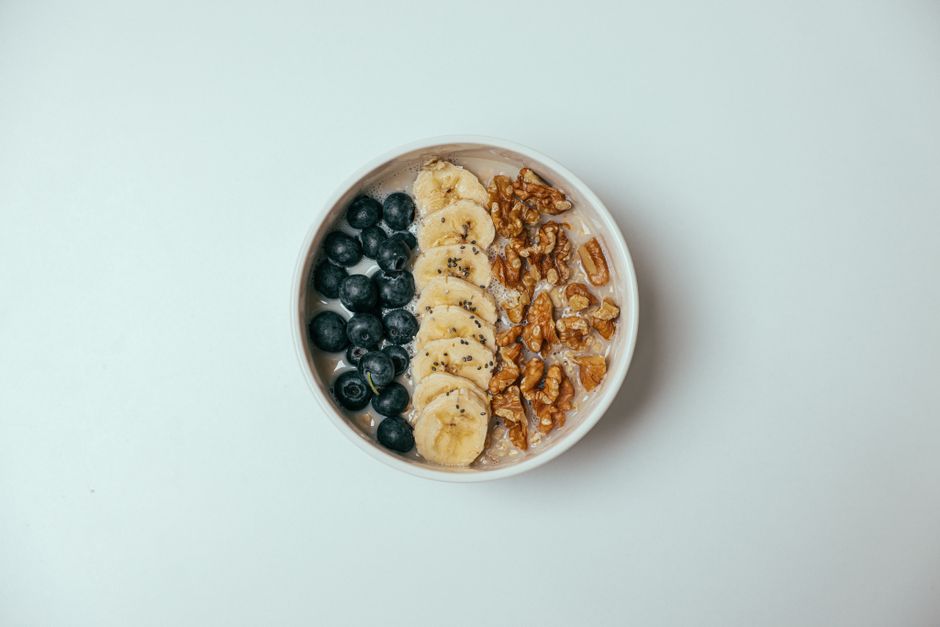
A medium banana contains about 1.3 grams of protein. That is a small amount compared with most protein-rich foods, and it is worth knowing before you count on a banana to hit your daily protein target. Bananas are mostly carbohydrate and water, with a modest amount of fiber and a few key vitamins and minerals.
None of that makes bananas a bad food. It just means their strength is not protein. Here is what a banana actually delivers, how it compares with other foods, and how to think about fitting it into your day.
How Much Protein A Banana Has, by Size
Protein content in bananas tracks with size, because a bigger banana is simply more fruit. The numbers below reflect standard USDA food composition data for raw bananas.
| Banana size | Typical length | Protein |
|---|---|---|
| Extra small | Under 6 inches | About 0.9 g |
| Small | 6 to 7 inches | About 1.1 g |
| Medium | 7 to 8 inches | About 1.3 g |
| Large | 8 to 9 inches | About 1.5 g |
| Extra large | 9 inches or longer | About 1.9 g |
Even the largest banana lands under 2 grams of protein. For context, a single large egg has roughly 6 grams. A cup of cooked lentils has closer to 18 grams.
The word “medium” matters more than people expect. A banana you buy at a grocery store often runs larger than the medium size used in nutrition databases. If you log a large banana as a medium one, you are undercounting calories and carbohydrates more than protein. The protein gap is small either way.
What Else Is in a Banana Besides Protein?
A medium banana provides about 105 calories, 27 grams of carbohydrate, and roughly 3 grams of fiber. It has almost no fat.
The carbohydrate in a banana is a mix of sugars, starch, and fiber. As a banana ripens, its starch converts to sugar, which is why a spotted banana tastes sweeter than a green one. That shift changes flavor and texture but does not meaningfully change protein content.
Bananas are best known for potassium. A medium banana has around 422 milligrams. That is a meaningful contribution toward the general adult target of roughly 2,600 to 3,400 milligrams per day, though it is not the dietary powerhouse some marketing suggests. Potatoes, beans, and leafy greens are also strong potassium sources.
A medium banana also supplies vitamin B6, vitamin C, and magnesium in modest amounts. Vitamin B6 is where the banana genuinely shines relative to its size.
Is Banana Protein Complete or Incomplete?
Banana protein is incomplete. It does not contain all nine essential amino acids in the amounts your body needs to build protein efficiently on its own.
This matters less than it sounds. Almost no single plant food is a complete protein, and that is not how most people eat. Your body maintains a pool of amino acids and draws from everything you eat across the day. A banana eaten with peanut butter, yogurt, oats, or eggs fills in the gaps.
The practical takeaway is simple. You do not need to worry about combining foods at every meal. Eating a variety of protein sources over the course of a day covers the requirement.





Can Bananas Help You Meet Your Daily Protein Needs?
Bananas can contribute to your daily protein intake, but they cannot carry it. Getting a meaningful share of protein from bananas alone is not realistic.
Most adults need somewhere in the range of 0.8 grams of protein per kilogram of body weight per day as a baseline, according to long-standing reference intake guidance. For a 150-pound adult, that is roughly 55 grams per day. Older adults and people who are physically active often need more, and the evidence on optimal intake for those groups continues to develop.
Run the math on bananas. Hitting 55 grams from bananas alone would take more than 40 medium bananas. That is not a plan. It is a demonstration of why bananas belong in the carbohydrate and micronutrient column, not the protein column.
Where bananas do help is as a carrier. A banana with Greek yogurt, a banana in a protein smoothie, or banana slices on oatmeal all add carbohydrate, potassium, and flavor to a meal that already contains real protein. That is a genuinely useful role.
How Does a Banana Compare With Other Protein Sources?
The gap between bananas and true protein foods is wide. The table below uses standard reference values per common serving.
| Food | Serving | Protein |
|---|---|---|
| Banana | 1 medium | About 1.3 g |
| Egg | 1 large | About 6 g |
| Greek yogurt | 1 cup | About 20 g |
| Chicken breast | 3 ounces cooked | About 26 g |
| Lentils | 1 cup cooked | About 18 g |
| Peanut butter | 2 tablespoons | About 7 g |
Notice where bananas sit. They are closer to a piece of fruit in the protein column than to any food people typically think of as a protein source, because that is exactly what they are.
One non-obvious point. Some people assume that because bananas are often eaten by athletes, they must be a recovery protein food. They are not. Bananas are popular around exercise mainly for quick carbohydrate and potassium. The protein in sports recovery typically comes from what you eat alongside the banana.
Do Riper Bananas Have More Protein?
Ripeness does not meaningfully change a banana’s protein content. A green banana and a fully spotted one contain about the same amount.
What changes is the carbohydrate profile. Green bananas are higher in resistant starch, a type of carbohydrate that resists digestion in the small intestine and behaves somewhat like fiber. As the banana ripens, that resistant starch converts to sugars. This is why green bananas are firmer and less sweet.
Some research suggests resistant starch may have benefits for blood sugar response and gut bacteria, but the evidence is still developing and the amounts in a single banana are modest. If you prefer green bananas for texture or blood sugar reasons, that is a reasonable choice. Do not choose them expecting a protein difference, because there is not one.
Are Bananas a Good Protein Source for Anyone?
Bananas are not a protein source for anyone, and no clinical guidance treats them as one. They are a carbohydrate food with useful micronutrients.
That said, bananas can fit into almost any eating pattern. They are portable, affordable, and easy to digest. For people who struggle to eat enough, a banana is an easy source of energy.
There are a few situations where intake deserves attention. People with advanced kidney disease are often advised to watch potassium, and bananas are a notable source. Anyone managing blood sugar should account for a banana’s carbohydrate content the same way they would any other fruit. These are individual clinical conversations, not general rules, and a doctor or dietitian is the right person to have them with.
For most healthy adults, the protein question is settled. A banana is a small contributor at best. The better question is what you eat with it.
Frequently Asked Questions
How much protein is in one banana?
A medium banana has about 1.3 grams of protein. A large banana has around 1.5 grams, and an extra large one approaches 2 grams.
Is a banana a good source of protein?
No, a banana is not a meaningful protein source compared with eggs, dairy, meat, beans, or lentils. It is best thought of as a carbohydrate food with useful potassium and vitamin B6.
How many bananas would I need to get enough protein?
Far more than is reasonable, since a 150-pound adult needs roughly 55 grams of protein per day and a medium banana provides only about 1.3 grams. That would take more than 40 bananas, which is not a realistic or balanced way to eat.
Does a banana have complete protein?
No, banana protein is incomplete because it lacks adequate amounts of all nine essential amino acids. Eating bananas alongside other protein foods over the course of a day covers those gaps without any special planning.
