
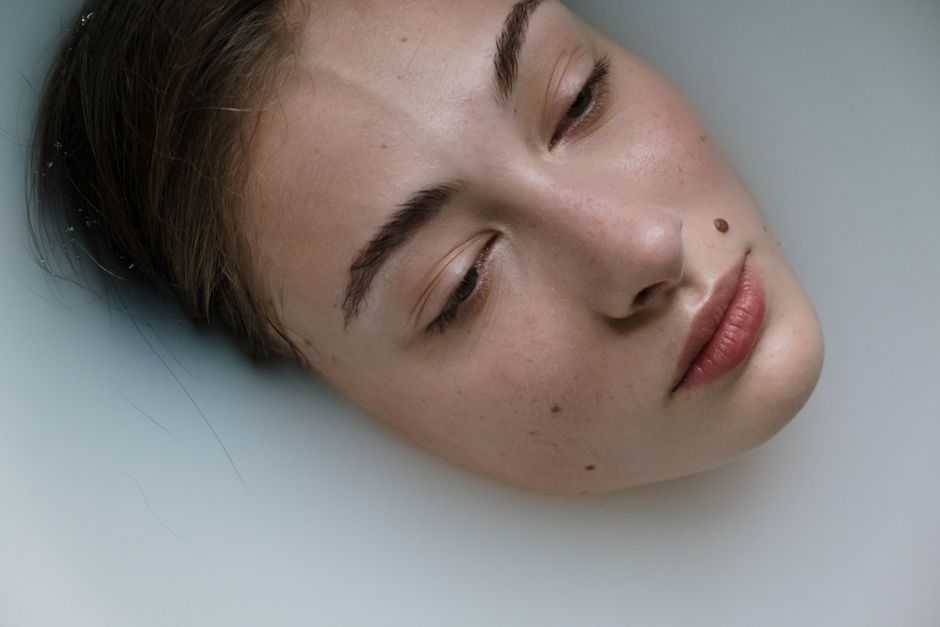
Mole removal usually costs between $150 and $500 per mole when done in a dermatologist’s office for cosmetic reasons, though insurance may cover the procedure when a mole is removed to check for skin cancer. The final price depends on how the mole is removed, who does it, and where you live. Some clinics charge less than $100 for a simple shave removal, while surgical excision with pathology testing can run considerably higher.
That range is a starting point, not a quote. The sections below break down what actually drives the cost, what the procedure involves, and when removal is a medical necessity rather than a choice.
How Much Is Mole Removal?
Most cosmetic mole removals fall somewhere between $150 and $500 per mole. That figure reflects typical out-of-pocket pricing at dermatology practices in the United States. It is not an official national rate, because no single agency sets prices for this procedure.
Several factors push the number up or down:
- Method used. A shave removal is generally less expensive than a full surgical excision with stitches.
- Provider type. A board-certified dermatologist often charges more than a general practice or a med-spa.
- Location. Urban practices and high-cost regions tend to charge more than rural ones.
- Number of moles. Removing several at once usually costs less per mole than removing one.
- Pathology testing. Sending tissue to a lab adds a separate fee.
One detail people often miss: the price you are quoted may not include the pathology lab fee or a follow-up visit. Ask for the full cost before you book. A $200 quote can become a $400 bill once lab work is added.
Does Insurance Cover Mole Removal?
Insurance generally covers mole removal when a doctor removes it for a medical reason, such as suspicion of skin cancer. It usually does not cover removal done purely for appearance.
The dividing line is medical necessity. If a dermatologist examines a mole and decides it needs to be removed and tested, that is typically treated as a covered medical service. If you simply dislike how a mole looks and it shows no concerning features, most plans classify it as cosmetic and you pay out of pocket.
This is where people get surprised. A mole that looks harmless to you may look concerning to a dermatologist, and the reverse is also true. The decision to biopsy is a clinical judgment. You cannot assume coverage based on appearance alone, and you cannot assume denial either.
If cost is a concern, ask your insurer directly whether a diagnostic removal would be covered and what your deductible and copay would be. Coverage rules vary by plan.
What Are the Different Mole Removal Methods?
There are two main methods, and the choice affects both cost and scarring. A dermatologist picks based on the mole’s size, depth, and whether cancer is a concern.
Shave removal uses a small blade to slice the mole off at or slightly below the skin surface. It is common for raised moles. It usually requires no stitches and leaves a flatter scar. Shave removal is faster and typically cheaper.
Surgical excision cuts out the entire mole plus a small margin of normal skin, then closes the wound with stitches. It is the standard approach when skin cancer is suspected, because it allows the full lesion to be examined under a microscope. It costs more and leaves a linear scar.
For suspected melanoma, excision with an appropriate margin is the established approach. Shaving a suspected melanoma is not appropriate because it can make it harder to assess the full depth of the lesion.
Some clinics offer laser removal or cryotherapy for cosmetic moles. These methods destroy tissue rather than preserving it for testing. That means they are generally not used when cancer is a possibility, since no sample goes to the lab.
Is Mole Removal Painful and What Is Recovery Like?
The procedure itself is usually not painful because the area is numbed with a local anesthetic. Most people feel pressure or a brief sting from the numbing injection, then little else during removal.
Afterward, mild soreness is normal. A shave removal typically heals within a week or two with simple wound care. An excision with stitches usually requires a follow-up visit to remove them, often around one to two weeks depending on the location and the doctor’s instructions.
Scarring is expected with any mole removal. Shave removals tend to leave a small flat or slightly indented scar. Excisions leave a thin line. How a scar heals varies a lot between people and depends on skin type, location, and how well the wound is cared for.
Watch for signs of infection such as increasing redness, warmth, swelling, or pus, and contact your doctor if they appear. Follow the specific wound-care instructions your provider gives you rather than general advice online.
When Should a Mole Be Removed for Medical Reasons?
A mole should be checked by a doctor when it changes or looks unusual. The most widely used warning signs are summarized by the ABCDE rule, which dermatologists use to describe features that warrant evaluation:
- A — Asymmetry. One half does not match the other.
- B — Border. Edges are irregular, ragged, or blurred.
- C — Color. The color is uneven, or it includes multiple shades.
- D — Diameter. The mole is larger than a pencil eraser, though some melanomas are smaller.
- E — Evolving. The mole changes in size, shape, color, or starts to bleed or itch.
Any mole that is new, changing, or bleeding should be looked at by a clinician. This is not a reason to panic. Most unusual-looking moles turn out to be harmless. But the reason to check is that early melanoma is far more treatable than advanced melanoma, and a doctor cannot tell by looking alone in every case.
Here is a point worth clarifying: removing a mole does not prevent skin cancer from developing elsewhere. Mole removal is about diagnosing a specific lesion, not about lowering your overall skin cancer risk. Sun protection is what reduces that risk.
Can You Remove a Mole at Home?
No. Home mole removal kits and at-home freezing or cutting products are not safe and should be avoided.
These products can cause infection, scarring, and incomplete removal. More importantly, they destroy tissue without testing it. If a mole were cancerous, at-home removal could delay diagnosis while the cancer continues to grow beneath the skin. No clinical evidence supports at-home mole removal as safe or effective.
This is one of the clearer cases in skin care where the cheap option carries real risk. A dermatologist visit is the appropriate step for any mole you want removed.
What Should You Ask Before Booking a Mole Removal?
Ask who will perform the procedure and whether they are a board-certified dermatologist. Ask what method will be used and whether the tissue will be sent for testing. Ask for the total cost, including pathology and any follow-up visit.
Also ask whether the removal is being done for medical or cosmetic reasons, because that determines insurance coverage. If you have multiple moles you want removed, ask whether they can be done in one visit and how that affects pricing.
Getting these answers in writing or by email before the appointment helps you avoid surprise charges. It also confirms that the person removing your mole is qualified to judge whether it needs testing.
Frequently Asked Questions
How much does mole removal cost without insurance?
Most cosmetic mole removals cost between $150 and $500 per mole out of pocket. The total depends on the method, the provider, and whether lab testing is included.
Will insurance pay for mole removal?
Insurance usually covers removal when a doctor removes the mole for a medical reason such as suspected skin cancer. Removal done purely for appearance is typically not covered.
Is mole removal covered by insurance if the mole is benign?
Often not. If testing shows the mole was harmless, some insurers may still cover it if the removal was ordered for a valid medical concern, but rules vary by plan.
Can I just cut a mole off myself?
No. At-home removal risks infection, scarring, and delayed cancer diagnosis, and no clinical evidence supports it as safe.
