
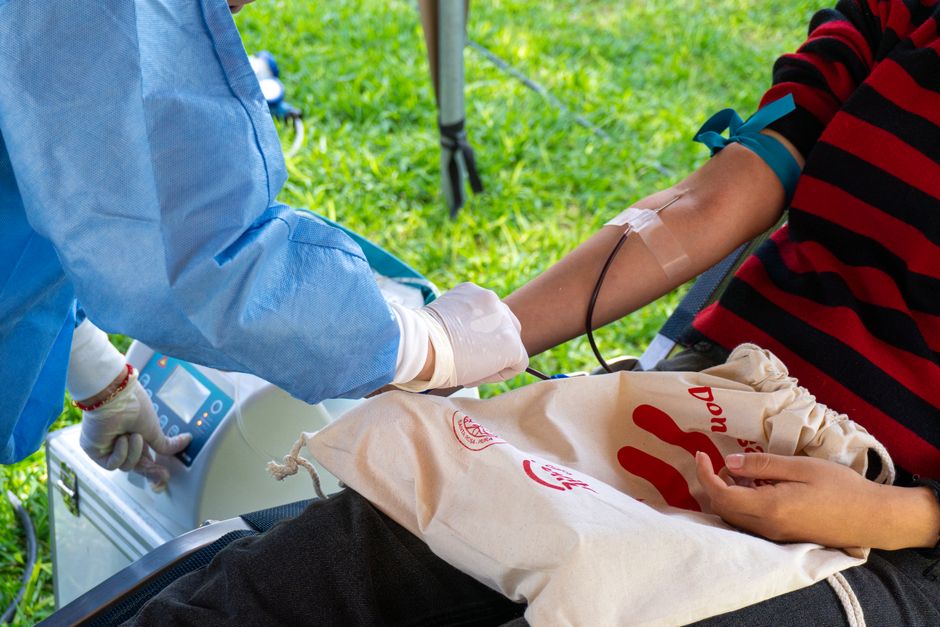
Blood donation removes about 200 to 250 milligrams of iron from your body each time you give a whole blood donation. That is a real amount. For context, adult men need about 8 milligrams of iron per day from food, and adult women who menstruate need about 18 milligrams. So a single donation strips out roughly what a man would absorb from food over several weeks — not days. There is no minimum iron level required to donate, but there is a minimum hemoglobin level, and that is what blood centers actually screen for.
How Much Iron Do You Actually Lose When You Donate Blood?
A standard whole blood donation — about one pint, or roughly 450 to 500 milliliters — contains approximately 200 to 250 milligrams of iron bound up in hemoglobin inside red blood cells. That iron leaves your body permanently. It does not get recycled back from the donation bag.
Your body does not absorb iron efficiently enough to replace that in a day or two. Most people absorb only a small fraction of the iron they eat — often less than 10 to 15 percent from a mixed diet, though absorption rises when body stores are low. This is why blood centers space donations apart and why iron recovery takes weeks to months, not hours.
Plasma and platelet donations work differently. Plasma is mostly water and protein, so it contains very little iron. Platelet donations remove some red blood cells along with platelets, but far fewer than a whole blood donation. The iron loss from those procedures is much smaller.
What Hemoglobin Level Do You Need to Donate Blood?
Blood centers do not measure your iron directly. They measure hemoglobin — the protein in red blood cells that carries oxygen and contains most of your body’s iron. Hemoglobin is a practical stand-in because it reflects whether you have enough iron to build red blood cells.
In the United States, the general minimum hemoglobin for whole blood donation is 12.5 g/dL for women and 13.0 g/dL for men. These thresholds are set by the FDA and used by most blood collection organizations. Some centers use slightly different cutoffs, so the number you see can vary.
If your hemoglobin falls below the cutoff, you are deferred — meaning you cannot donate that day. This is not a diagnosis of anemia. It is a screening result. Low hemoglobin on a donation finger-stick test can reflect low iron, but it can also reflect dehydration, recent illness, or normal variation.
Here is the part many people miss: hemoglobin can look normal even when your iron stores are depleted. Your body will keep making red blood cells and keeping hemoglobin up as long as it can, drawing down stored iron in your liver, spleen, and bone marrow. So passing the hemoglobin test does not guarantee your iron reserves are full.
Does Donating Blood Deplete Your Iron Stores?
Yes, and this is well documented. Each whole blood donation reduces your iron reserves. If you donate regularly without enough time or iron intake to recover, those reserves can drop below normal even while your hemoglobin stays acceptable.
Iron is stored mainly as a protein called ferritin. Ferritin levels are the standard way to measure how much iron you have in reserve. A single whole blood donation can lower ferritin noticeably, and frequent donors — especially those who donate every eight weeks — are at higher risk of iron depletion.
This is why some blood centers have started offering ferritin testing or iron supplements to frequent donors. The practice varies by center. It is not universal, and there is no single national standard for monitoring donor iron stores.
Women who menstruate are more vulnerable because they already lose iron through monthly blood loss. Combine that with regular donation, and iron depletion becomes more likely. Research on blood donors has consistently found that frequent donors, particularly premenopausal women, are more likely to have low or absent iron stores.





How Long Does It Take to Recover Iron After Donating?
Your blood volume and red blood cell count recover faster than your iron stores do. Plasma volume is replaced within about 24 to 48 hours. Red blood cells take longer — typically several weeks. But stored iron can take considerably longer to fully rebuild, especially if you donate again before it has recovered.
This is exactly why the minimum interval between whole blood donations in the US is eight weeks — 56 days. That waiting period is designed to give your body time to replace red blood cells and begin rebuilding iron. It does not guarantee full iron recovery for everyone.
For people with low iron stores, full recovery can take several months. Factors that affect how quickly you recover include:
- How much iron you absorb from food (varies widely between people)
- Whether you menstruate
- How often you donate
- Whether you take iron supplements
- Your baseline iron status before donating
Some donors recover quickly. Others take much longer. There is no single timeline that applies to everyone, and individual variation is significant.
What Should You Eat to Replenish Iron After Donating?
Iron comes in two forms in food, and they are not absorbed equally. Heme iron — found in meat, poultry, and fish — is absorbed more efficiently. Non-heme iron — found in plants, beans, and fortified foods — is absorbed less efficiently, though it still counts.
Foods high in iron include red meat, poultry, fish, lentils, beans, spinach, fortified cereals, and tofu. Vitamin C helps your body absorb non-heme iron, so pairing iron-rich plant foods with citrus, bell peppers, or tomatoes can improve absorption. Coffee, tea, and calcium can reduce absorption when eaten at the same time as iron-rich foods.
Whether food alone is enough to rebuild iron stores after donation depends on your starting point. For someone with normal stores who donates occasionally, diet may be sufficient. For frequent donors or people with low ferritin, food alone may not be enough — and that is a conversation to have with a doctor, not something to assume.
Some blood centers provide iron supplements to donors. Others recommend them for specific donors. If you are considering iron supplements, talk to a healthcare provider first. Iron supplements can cause side effects, and taking more than you need is not harmless.
Can You Donate Blood If Your Iron Is Low?
You can donate if your hemoglobin meets the minimum threshold, even if your iron stores are low. The hemoglobin test is what determines eligibility on donation day. Low ferritin alone does not disqualify you at most centers, because ferritin is usually not measured during routine donation screening.
This creates a gap. A donor can pass the hemoglobin test, donate, and still have depleted iron stores that get worse with each donation. Some researchers and blood collection organizations have raised concerns about this. The response has varied — some centers now test ferritin or offer supplements to frequent donors, but this is not standard everywhere.
If you donate regularly and feel persistently tired, short of breath, or notice unusual pallor, those symptoms warrant a medical evaluation. They can have many causes, and low iron is only one possibility. Do not assume your symptoms are from donation without getting checked.
How Much Iron Do You Need to Donate Blood — Is There a Minimum?
There is no minimum iron level required to donate blood. Blood centers screen hemoglobin, not iron. The hemoglobin minimums — 12.5 g/dL for women and 13.0 g/dL for men — are the only iron-related thresholds that apply at donation.
That said, having adequate iron stores before donating is better for your health and helps you recover faster. If you donate frequently, knowing your ferritin level can tell you whether your reserves are holding up. Ask your doctor whether ferritin testing makes sense for you, especially if you donate more than a few times a year.
Frequently Asked Questions
How much iron does one blood donation remove?
A whole blood donation removes roughly 200 to 250 milligrams of iron. Plasma donation removes very little iron because plasma contains almost no red blood cells.
What hemoglobin level do you need to donate blood?
The general minimum is 12.5 g/dL for women and 13.0 g/dL for men. Some blood centers use slightly different cutoffs, so check with your local center.
Can you donate blood if you have low iron?
You can donate if your hemoglobin meets the minimum threshold, even if your iron stores are low. Ferritin is usually not measured during routine donation screening.
How long does it take to rebuild iron after donating blood?
Red blood cells recover in several weeks, but stored iron can take several months to fully rebuild. Recovery time varies widely depending on diet, menstruation, and how often you donate.
