
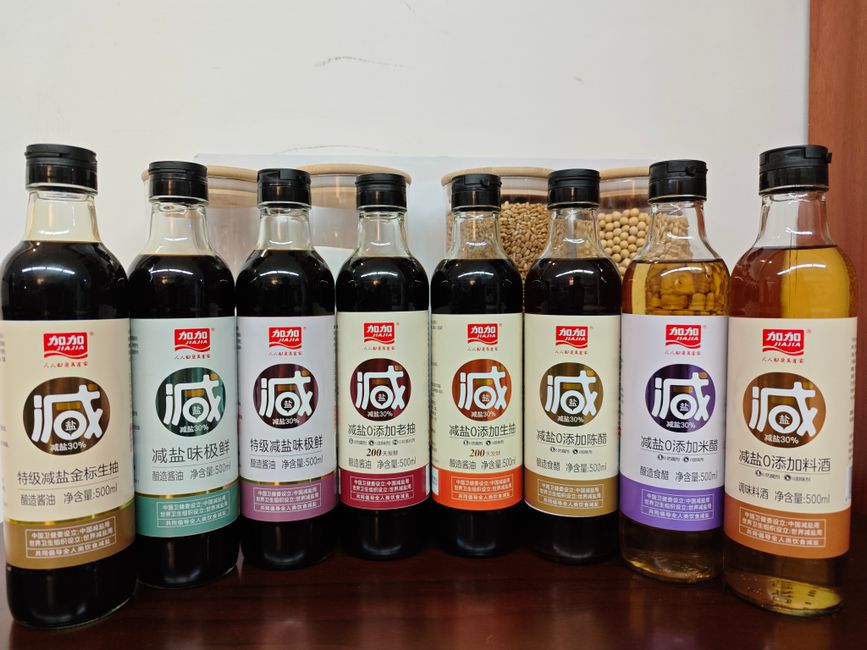
Soy sauce is made from wheat, so it contains gluten — but the amount varies a lot depending on the type and brand. Traditional brewed soy sauce usually has small traces of gluten left after fermentation, while some mass-market bottles contain added wheat starch or wheat flour that raises the gluten level. If you have celiac disease or a wheat allergy, regular soy sauce is not considered safe, and you should choose a certified gluten-free version instead.
How Much Gluten Is Actually In Soy Sauce?
There is no single number. The gluten content of soy sauce depends on the recipe, the ratio of wheat to soybeans, and how long it ferments.
Traditional Japanese-style soy sauce is brewed from soybeans, wheat, salt, and a mold culture called Aspergillus. During fermentation, enzymes break down wheat proteins into smaller pieces, including some gluten fragments. A small amount survives in the finished liquid.
Chinese-style soy sauces and some inexpensive brands often add wheat flour or wheat starch directly. These tend to carry more intact gluten than a long-fermented Japanese-style product.
Wheat-free soy sauces — often labeled “tamari” — are brewed with little or no wheat. Even so, “wheat-free” and “gluten-free” are not the same label. A product can contain no wheat ingredients and still test above the gluten threshold if there is cross-contact during manufacturing.
The only reliable way to know the gluten level in a specific bottle is to look for a certified gluten-free claim on the label. That certification means the product has been tested and meets a defined limit — in the US, less than 20 parts per million (ppm) of gluten.
What Is the Difference Between Soy Sauce and Tamari?
Tamari is a Japanese-style soy sauce that is typically made with little or no wheat. That makes it a common choice for people avoiding gluten, but the details matter.
Traditional tamari is a byproduct of miso production. It is brewed mainly from soybeans, and some versions contain a small amount of wheat or barley. Others contain none. The flavor is richer and less salty than standard soy sauce.
Standard soy sauce, by contrast, is built around a roughly equal mix of soybeans and wheat. The wheat feeds fermentation and contributes sweetness and aroma. That is why regular soy sauce tastes different from tamari — and why it usually contains more gluten.
Here is the key point most people miss: tamari is not automatically gluten-free. Unless the bottle carries a certified gluten-free label, you cannot assume the gluten level is safe for someone with celiac disease. Some tamari brands use wheat in small amounts, and shared equipment can introduce traces.
- Regular soy sauce: made with wheat, contains gluten.
- Tamari: often wheat-free, but not always certified gluten-free.
- Coconut aminos: naturally gluten-free, but tastes quite different.
- Certified gluten-free soy sauce: tested to meet a defined gluten limit.
Is Soy Sauce Safe If You Have Celiac Disease?
No. For someone with celiac disease, regular soy sauce is not considered safe, even in small amounts.
Celiac disease is an autoimmune condition. In people who have it, eating gluten triggers an immune response that damages the lining of the small intestine. This happens even at very low levels of exposure. The threshold that is generally considered safe is below 20 ppm, which is why certified gluten-free labeling matters.
A splash of regular soy sauce in a stir-fry or a dipping sauce can contain more gluten than that. There is no reliable way to estimate how much from the label alone, because most soy sauce bottles do not list gluten content.
For people with celiac disease, the practical rule is simple: use only soy sauce that is certified gluten-free. This applies to sauces served in restaurants too, where regular soy sauce is the default.
What About Wheat Allergy and Gluten Sensitivity?
Wheat allergy and celiac disease are different conditions, and they call for different precautions.
A wheat allergy is an immune reaction to wheat proteins, including but not limited to gluten. Symptoms can include hives, swelling, trouble breathing, or digestive upset, and in severe cases a life-threatening reaction called anaphylaxis. People with wheat allergy need to avoid wheat entirely, so regular soy sauce is off the table. Tamari made without wheat may be an option, but only if the label confirms it and cross-contact is not a concern.
Non-celiac gluten sensitivity is a separate category. It describes people who react to gluten with symptoms like bloating, fatigue, or brain fog, but who test negative for celiac disease and wheat allergy. The evidence here is genuinely mixed. Some studies suggest symptoms are real in a subset of people, while others find that many who believe they react to gluten are actually responding to other components of wheat, such as fructans.
Because the science is unsettled, there is no standard guidance on how much gluten — if any — a person with suspected gluten sensitivity can tolerate from soy sauce. If you are unsure which category you fall into, that is a question for a doctor, not a label.
How Can You Tell If a Soy Sauce Is Gluten-Free?
You cannot tell by looking at the ingredients list alone. You need to look for a specific claim.
In the United States, the term “gluten-free” on a food label is regulated by the FDA. A product labeled gluten-free must contain less than 20 ppm of gluten. That is the same threshold used in many other countries and is the level generally regarded as safe for people with celiac disease.
Here is the catch: a product can be labeled “wheat-free” without meeting the gluten-free standard. Wheat-free only means no wheat ingredients were used. It says nothing about barley, rye, or cross-contact. For anyone with celiac disease, “wheat-free” is not good enough.
Look instead for:
- A “gluten-free” claim on the front of the bottle.
- A third-party certification mark, such as one from a recognized gluten-free certification program.
- A statement that the product is tested to below 20 ppm.
If a bottle has none of these, treat it as containing gluten. When in doubt, contact the manufacturer directly. Many companies will confirm the gluten status of a specific product if you ask.
Are There Gluten-Free Alternatives to Soy Sauce?
Yes, several. Each has a different flavor, so the best choice depends on what you are cooking.
Certified gluten-free soy sauce is the closest match in taste. It is brewed the same way but uses a gluten-free grain or is tested and verified to meet the gluten-free standard.
Tamari can work if it is labeled gluten-free. It is slightly richer and less salty than standard soy sauce.
Coconut aminos is naturally gluten-free and soy-free. It is sweeter and thinner than soy sauce, so it works better in some dishes than others.
Liquid aminos is a soy-based seasoning that is typically gluten-free, though you should still check the label. It has a milder, less salty taste.
For people who are not avoiding gluten for medical reasons, regular soy sauce is fine. The gluten content is low enough that it is not a concern for the general population.
Frequently Asked Questions
Does regular soy sauce contain gluten?
Yes. Traditional soy sauce is brewed with wheat, so it contains gluten, though the amount varies by brand and style.
Is tamari always gluten-free?
No. Tamari is often made without wheat, but unless it carries a certified gluten-free label, you cannot assume it is safe for celiac disease.
How much gluten can someone with celiac disease safely eat?
The generally accepted limit is less than 20 ppm of gluten, which is the standard for gluten-free labeling in the US.
Can I eat soy sauce if I have a wheat allergy?
No, regular soy sauce contains wheat and should be avoided. A certified gluten-free and wheat-free alternative may be an option, but check the label carefully.
