
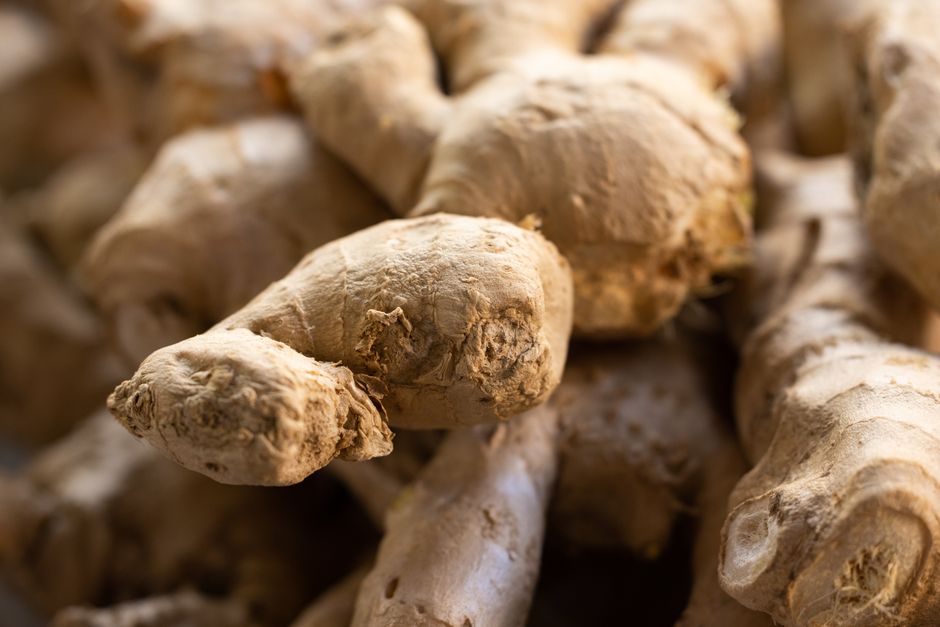
Ginger tea is one of the most popular home remedies in the world, and for good reason: ginger has real, well-documented biological activity. The short answer to how much is safe is that most healthy adults can drink up to about 3 to 4 cups of ginger tea per day, which generally delivers roughly 2 to 4 grams of fresh ginger — a range that aligns with what clinical studies have used and what major health authorities consider safe for food use. That upper limit assumes you are healthy, not pregnant, not on blood-thinning medication, and not drinking highly concentrated ginger extracts or supplements alongside your tea. For most people, 1 to 3 cups daily is a comfortable, sensible range.
How Much Ginger Tea Per Day Is Actually Safe?
The 3 to 4 cup ceiling is not an arbitrary number. It reflects a practical translation of established guidance on ginger consumption.
Health agencies that regulate food safety, including the European Food Safety Authority, have assessed ginger and generally regard moderate culinary amounts as safe. Clinical trials studying ginger for nausea have commonly used doses in the range of 1 to 4 grams of ginger per day, and no serious safety signals emerged in healthy adults at those levels. A typical cup of ginger tea made with a few slices of fresh root or a small spoon of grated ginger delivers somewhere around 0.5 to 1 gram. So 3 to 4 cups lands you in that studied range.
That said, “safe” is not the same as “beneficial at any amount.” More ginger is not automatically better. Some people experience heartburn, stomach discomfort, or a burning sensation at higher intakes. If you notice those symptoms, the practical answer is to drink less.
Two important caveats. First, ginger tea is not the same as ginger supplements or concentrated extracts, which can deliver much higher doses in a single capsule. Second, the safe range for a healthy adult does not automatically transfer to children, pregnant women, or people with certain medical conditions. Those groups need separate consideration, covered below.
What Does a Typical Cup of Ginger Tea Actually Contain?
The amount of ginger in a cup of tea varies enormously depending on how you make it. This is why “cups per day” is a rough guide rather than a precise measurement.
A mild tea — a few thin slices steeped for a few minutes — might contain well under a gram of ginger. A strong brew made with a heaped tablespoon of freshly grated root, simmered for 15 minutes, could contain 2 grams or more in a single cup. The same “one cup” can mean very different things.
If you are trying to stay within the roughly 2 to 4 gram daily range that studies have used, here is a practical way to think about it:
- Fresh root, a few slices per cup: roughly 0.5 to 1 gram per cup
- Fresh root, a heaped tablespoon grated and simmered: closer to 1.5 to 2 grams per cup
- Tea bags: highly variable; check the label, as some contain very little actual ginger
- Powdered ginger: about 1 gram per quarter teaspoon, so it concentrates quickly
One clarification worth knowing: the gingerol compounds responsible for much of ginger’s pungency and activity are more concentrated in fresh root than in dried powder, and they change chemically when heated or dried. This is why fresh and dried ginger are not fully interchangeable in traditional use. It also means a strongly simmered fresh tea can deliver more active compounds than its mild flavor suggests.
What Are the Proven Benefits of Ginger Tea?
Ginger has the strongest evidence for nausea, particularly nausea related to pregnancy and motion sickness. This is one of the better-supported uses of any herbal remedy.
Research on ginger for pregnancy-related nausea and vomiting has been reasonably consistent, and some clinical guidance supports ginger as a first-line option for morning sickness under a clinician’s supervision. For motion sickness and post-operative nausea, the evidence is more mixed but leans positive. This is a genuine area where ginger has real clinical backing rather than just folk reputation.
For other popular claims, the picture is weaker. Ginger has been studied for osteoarthritis pain, menstrual cramps, and digestion, with some positive but limited results. Some studies suggest modest anti-inflammatory effects. The evidence for these uses is not strong enough to call ginger tea a treatment.
What ginger tea is not proven to do is cure infections, replace medication, or produce dramatic health transformations. If you see ginger tea marketed as a “detox” or a cure for a specific disease, that claim is not supported by clinical evidence.
Who Should Be Careful With Ginger Tea?
Ginger is generally well tolerated, but a few groups need to be cautious. The most important consideration is blood-thinning medication.
Ginger has mild antiplatelet activity — meaning it can slightly reduce how readily platelets clump together. For most people this is trivial. But if you take warfarin, aspirin, clopidogrel, or another anticoagulant or antiplatelet drug, combining it with large amounts of ginger could theoretically increase bleeding risk. The evidence for a clinically significant interaction is limited and mostly based on case reports and mechanistic reasoning rather than large trials, but the concern is real enough that clinicians commonly advise caution. If you are on blood thinners, talk to your doctor before drinking ginger tea regularly, and keep intake moderate.
People with gallstones should also be aware. Ginger can stimulate bile flow, which may be uncomfortable for someone with existing gallbladder disease. This is a reasonable precaution rather than a firmly established risk.
Anyone scheduled for surgery is generally advised to stop high-dose ginger supplements beforehand because of the bleeding concern. Ordinary tea amounts are unlikely to matter, but mention it to your surgeon.
For people with GERD or acid reflux, ginger tea can sometimes worsen heartburn, even though it is often recommended for digestion. Individual response varies.
Is Ginger Tea Safe During Pregnancy?
Ginger is one of the better-studied remedies for morning sickness, and moderate amounts are generally considered acceptable in pregnancy. But “generally considered acceptable” comes with real limits.
Clinical studies of ginger for pregnancy nausea have typically used around 1 gram of ginger per day, sometimes up to about 1.5 grams, usually for short periods. That is roughly 1 to 2 cups of moderate-strength tea. Amounts well beyond this have not been well studied in pregnancy, and there is some theoretical concern about high doses affecting clotting.
The honest position: ginger tea in modest amounts is widely used and reasonably supported for pregnancy nausea, but pregnant women should confirm with their own clinician before using it regularly, and should not exceed the amounts used in studies. This is especially true in the first trimester and for anyone with a history of bleeding disorders or miscarriage.
Does Ginger Tea Interact With Any Medications?
Beyond blood thinners, ginger has a few other potential interactions worth knowing. Most are theoretical or based on limited data, but they are worth mentioning to a pharmacist if you take regular medication.
Because ginger can slightly lower blood sugar, people with diabetes on insulin or glucose-lowering drugs should be aware that large amounts could, in theory, add to the effect. This does not mean ginger tea is dangerous for people with diabetes — it means monitor your blood sugar as usual and mention regular ginger use to your doctor.
Ginger may also affect how quickly the body clears certain drugs, though the evidence in humans is limited. The practical takeaway is not to fear ginger tea but to be transparent: tell your doctor or pharmacist if you drink it daily, especially if you take prescription medication.
How Should You Make Ginger Tea to Stay Within Safe Limits?
Making tea that stays comfortably within safe limits is straightforward. Use fresh root, keep portions modest, and pay attention to how your body responds.
A simple approach: slice or grate about a thumb-sized piece of fresh ginger (roughly 1 to 2 grams), simmer it in water for 10 to 15 minutes, and drink 1 to 3 cups a day. If you want stronger tea, increase steeping time rather than piling in more root. Add honey or lemon if you like — neither changes the ginger dose.
Be cautious with ginger “shots” and concentrated juices sold in stores. These can pack several grams into a small serving and are easy to overdo. Treat them more like a supplement than a cup of tea.
If you take ginger supplements on top of drinking tea, you are stacking doses. Add them up. The 2 to 4 gram daily range applies to your total ginger intake, not each source separately.
Finally, listen to your body. Heartburn, stomach upset, or a burning feeling are signals to cut back. For most healthy adults, ginger tea is a pleasant, low-risk habit — but like anything with real biological activity, the dose matters.
Frequently Asked Questions
How many cups of ginger tea can I drink a day?
Most healthy adults can safely drink about 3 to 4 cups of moderate-strength ginger tea per day, which delivers roughly 2 to 4 grams of ginger. Stronger brews or concentrated ginger shots should be counted toward that total.
Can you drink too much ginger tea?
Yes. Drinking large amounts can cause heartburn, stomach discomfort, and, in theory, add to bleeding risk for people on blood thinners. Staying within 3 to 4 cups daily keeps most people well within studied safe ranges.
Is ginger tea safe every day?
For most healthy adults, daily ginger tea in moderate amounts is considered safe. People on anticoagulant medication, with gallstones, or who are pregnant should check with a clinician first.
How much ginger is in one cup of ginger tea?
A cup made with a few slices of fresh root typically contains about 0.5 to 1 gram of ginger, while a strongly simmered brew can contain 1.5 to 2 grams or more. The amount depends heavily on how you make it.
