
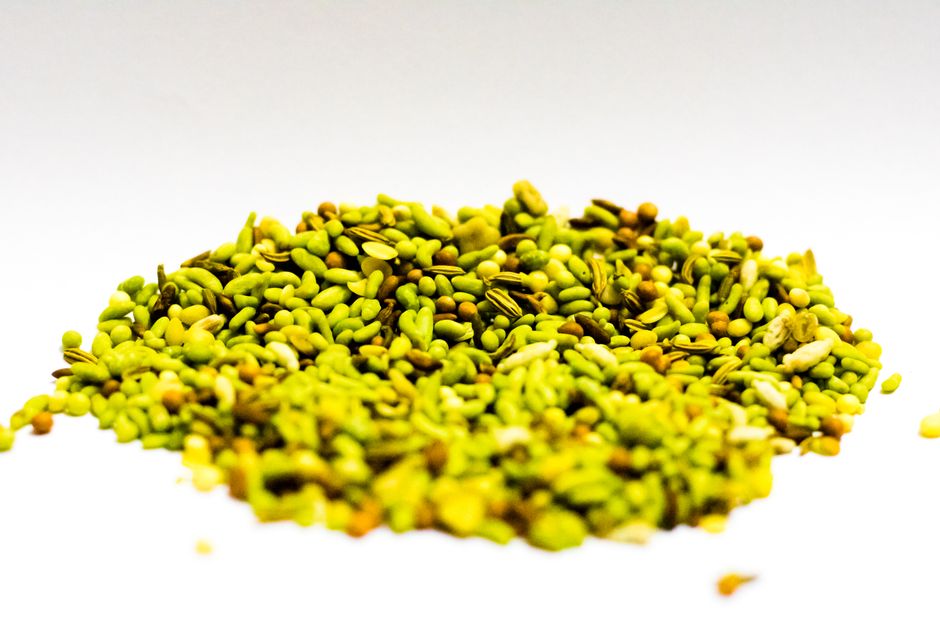
There is no official daily dose of fennel seeds, but most healthy adults can safely eat about 1 to 2 teaspoons (roughly 2 to 5 grams) a day. That amount is generally well tolerated and fits within the range used in traditional cooking and some digestive teas. Larger amounts are not better, and concentrated fennel supplements or essential oil are a different matter entirely.
Fennel seeds are a common kitchen spice with a long history of use for digestion. They are also the subject of a fair amount of conflicting advice online. This article separates what is established from what is uncertain, and explains who should be more careful.
How Much Fennel Seeds To Eat Daily Safe Dose?
For most adults, 1 to 2 teaspoons of whole fennel seeds per day is a reasonable and widely tolerated amount. This is a practical range, not a regulatory limit. No health agency publishes a formal recommended daily intake for fennel seeds the way it does for vitamins or minerals.
The amount used in cooking is small and considered safe. A typical recipe might call for half a teaspoon to a full teaspoon. Fennel tea usually steeps about one teaspoon of crushed seeds per cup.
The picture changes with concentrated products. Fennel essential oil and high-dose fennel extracts are far stronger than the seeds themselves. These are not interchangeable with eating the seeds, and they carry more risk. Fennel essential oil should not be swallowed casually, and it should never be given to infants or young children.
If you are eating fennel seeds mainly for flavor or as a breath freshener after meals, a small pinch to a teaspoon is plenty. There is no health benefit that justifies pushing well beyond that.
What Does the Evidence Say About Fennel Seeds and Digestion?
Fennel has a long traditional reputation as a digestive aid, and some research supports a modest effect. The evidence is not strong enough to call it a proven treatment for any digestive condition.
Fennel contains anethole, a compound that appears to relax smooth muscle in the gut. This is the mechanism often cited for its use against bloating and gas. Biological plausibility is not the same as proven benefit, though. Small studies have looked at fennel in infant colic and in some digestive complaints, but the trials are generally small and the results are mixed.
What is fair to say: fennel seeds are a low-risk, pleasant-tasting addition to a meal, and some people find them soothing after eating. What is not fair to say: fennel seeds treat irritable bowel syndrome, cure bloating, or replace medical care for a digestive disorder.
One practical point people miss. Chewing a few seeds after a meal is mostly about freshening breath and settling the palate. The amount you swallow that way is tiny. It is not a therapeutic dose of anything.
Who Should Be Careful With Fennel Seeds?
Fennel seeds are safe for most people, but several groups should be more cautious or avoid concentrated forms. The seeds themselves are generally low risk. It is the concentrated products and larger amounts that raise concern.
- Pregnant women. Culinary amounts of fennel in food are generally considered fine. Concentrated fennel supplements and essential oil are not recommended during pregnancy because of uncertainty about safety at higher doses.
- Breastfeeding women. Fennel has a traditional reputation for supporting milk supply, but this is not well established in clinical trials. No clinical guidelines currently recommend fennel supplements for this purpose, and concentrated products should be avoided without medical advice.
- Infants and young children. Fennel tea has been given to babies for colic in some traditions. This should not be done without a pediatrician’s guidance. Fennel essential oil must never be given to an infant or child.
- People with hormone-sensitive conditions. Fennel contains compounds with weak estrogen-like activity. People with conditions such as certain hormone-sensitive cancers should ask their doctor before using fennel in large amounts or as a supplement.
- People on blood thinners. Some sources caution that fennel may interact with anticoagulant medications. The evidence is limited, but if you take a blood thinner, mention any regular fennel supplement use to your doctor.
- Anyone with a known allergy. Fennel is related to celery, carrot, and other plants in the same family. People with related allergies should be cautious.
These cautions apply mainly to concentrated supplements, teas taken in large amounts, and essential oil. A teaspoon of seeds in your cooking is a different situation.
Can You Eat Too Many Fennel Seeds?
Yes. Eating very large amounts of fennel seeds is not advisable, though serious harm from eating the seeds themselves is uncommon. The main concerns are digestive upset and, in rare cases, reactions linked to the plant’s active compounds.
Eating a lot of fennel seeds at once can cause nausea, stomach discomfort, or loose stools. The seeds are also high in fiber, so a sudden large intake can cause bloating and gas, especially if you are not used to it.
More serious reports exist but are rare. There are case reports of neurological symptoms and other reactions linked to fennel essential oil and very high intakes, particularly in children. These are not typical responses to normal culinary use, but they are a reason to treat concentrated products with respect.
The practical takeaway is simple. Stay in the range of a teaspoon or two a day. Do not treat fennel seeds as something where more is automatically better.
How Should You Eat Fennel Seeds?
Whole or lightly crushed seeds are the most common form. Chewing them releases flavor and the aromatic oils. Crushing them just before use brings out more aroma, which is why many recipes call for crushing or grinding.
Common ways people use fennel seeds:
- Chewed plain after a meal, a small pinch at a time
- Steeped as tea, about one teaspoon of crushed seeds per cup of hot water
- Added to cooking, such as curries, soups, and roasted vegetables
- Toasted lightly to soften the flavor before adding to dishes
If you are new to fennel seeds, start small. A pinch to half a teaspoon is a sensible starting point, especially if you plan to eat them regularly. Give your digestion time to adjust before increasing.
For tea, steeping crushed seeds in hot water for several minutes is the usual method. This is a gentle way to use fennel and keeps the amount per serving modest.
Do Fennel Seeds Have Real Health Benefits?
Fennel seeds contain fiber, small amounts of minerals, and aromatic compounds. They are a flavorful, low-calorie addition to food. Beyond that, the evidence for specific health benefits is limited.
Some studies suggest fennel may help with mild digestive discomfort. The research is not strong enough to make firm claims. Fennel is also sometimes promoted for other purposes, from breath freshening to hormone support, but these claims are not backed by solid clinical trials.
Be wary of marketing that presents fennel as a treatment for a medical condition. No study has confirmed that fennel seeds cure or treat any disease. They are a food and a traditional remedy, not a medicine.
If you enjoy fennel seeds and tolerate them well, using a teaspoon or two a day is a reasonable habit. If you are hoping they will fix a health problem, that expectation is not supported by the evidence.
What Is the Difference Between Fennel Seeds, Tea, and Essential Oil?
These three forms are not equivalent, and the safe amount differs sharply between them. Treating them as interchangeable is one of the most common mistakes.
- Whole seeds. Eaten in culinary amounts, generally safe for most adults.
- Fennel tea. Made from a small amount of seeds, generally a gentle form. Large or frequent servings deserve more caution, especially in children.
- Essential oil. Highly concentrated and much stronger than the seeds. It should not be swallowed without professional guidance and should never be given to infants or children.
Supplements also vary widely in strength and quality. If you are considering a fennel supplement, talk to a healthcare provider first, especially if you are pregnant, breastfeeding, taking medication, or managing a health condition.
Frequently Asked Questions
How many fennel seeds can I eat a day?
Most healthy adults can eat about 1 to 2 teaspoons of fennel seeds a day, which is roughly 2 to 5 grams. This is a practical range, not an official limit.
Is it safe to eat fennel seeds every day?
For most people, eating a small amount of fennel seeds daily is generally well tolerated. Concentrated supplements and essential oil are a different matter and should be used with more caution.
Can fennel seeds be harmful in large amounts?
Very large amounts can cause digestive upset like nausea or loose stools. Serious reactions are rare and are mostly linked to concentrated essential oil rather than the seeds themselves.
Is fennel safe during pregnancy?
Culinary amounts of fennel in food are generally considered fine during pregnancy. Concentrated fennel supplements and essential oil are not recommended without medical advice because safety at higher doses is uncertain.
